
Hear from Our Customers
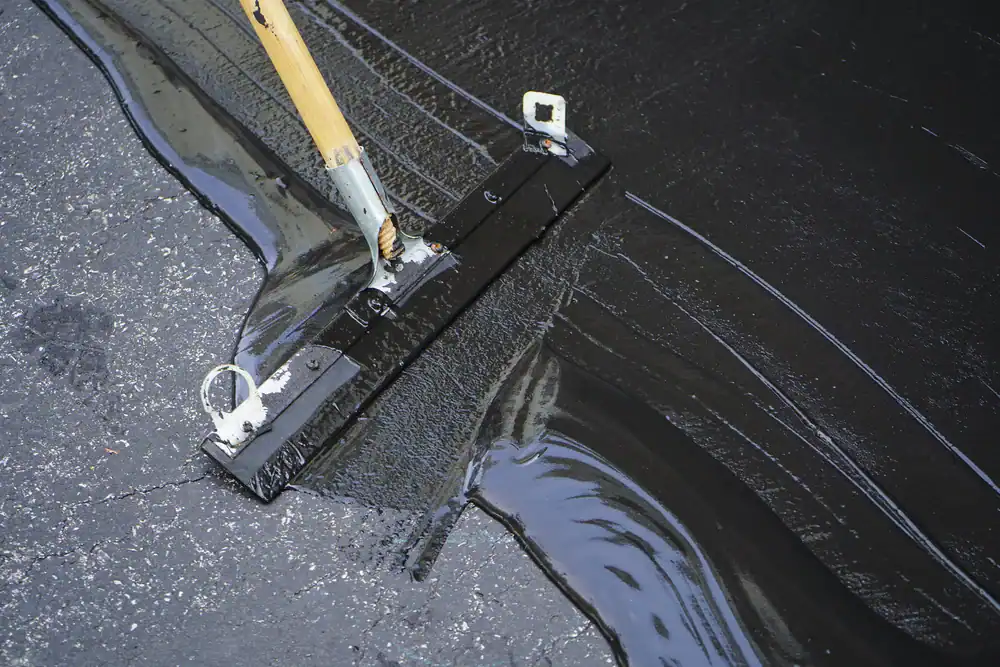
Your driveway doesn’t crack because it’s old. It cracks because water gets in, freezes, expands, and tears the asphalt apart from the inside. That’s the freeze-thaw cycle, and in Hopatcong, it happens 40% more often than it does just 30 miles south.
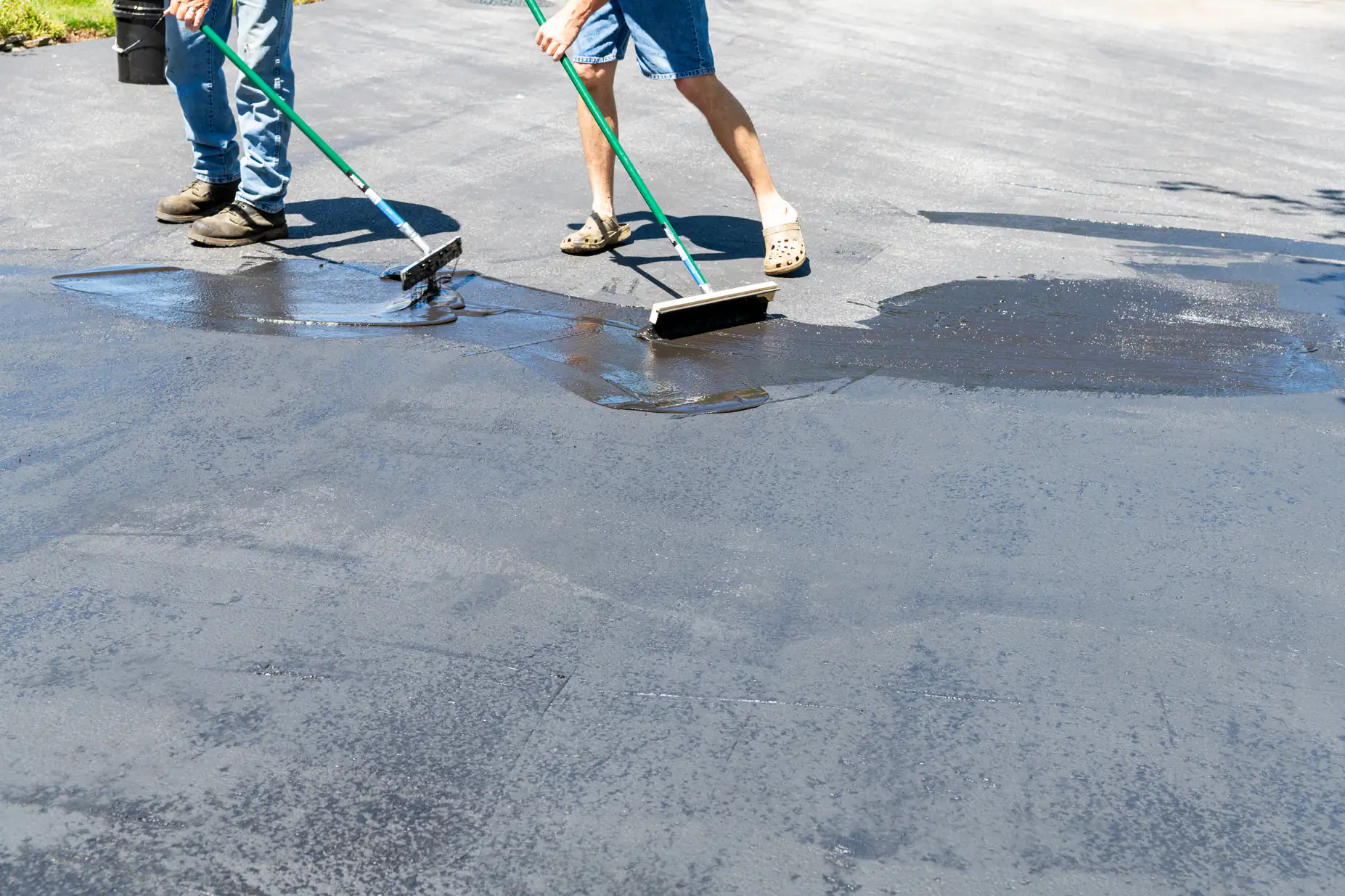
Sealcoating creates a waterproof barrier that keeps moisture out. It also blocks UV rays that dry out your asphalt and make it brittle. The result is a driveway that stays flexible, stays intact, and lasts 25 to 30 years instead of 15.
You’ll also get a clean, dark finish that makes your property look maintained. Not for curb appeal’s sake—though that helps—but because a well-kept driveway signals to buyers, neighbors, and yourself that the home is cared for. And if you’re planning to sell, that first impression matters more than most people think.
We’re a third-generation asphalt contractor based in Morris County. We’ve been sealing driveways in Hopatcong, Dover, Parsippany, and the surrounding area for over 20 years. That means we know what North Jersey winters do to asphalt—and how to protect against it.
We’re not the cheapest option. We don’t use watered-down sealer or skip steps to save time. We mix our sealer in-house for a thicker, longer-lasting coat, and we apply it by hand to make sure coverage is even. Every job comes with a two-year warranty because we stand behind the work.
You won’t deal with a rotating crew or a different LLC every season. Same family, same standards, same number to call if something goes wrong.
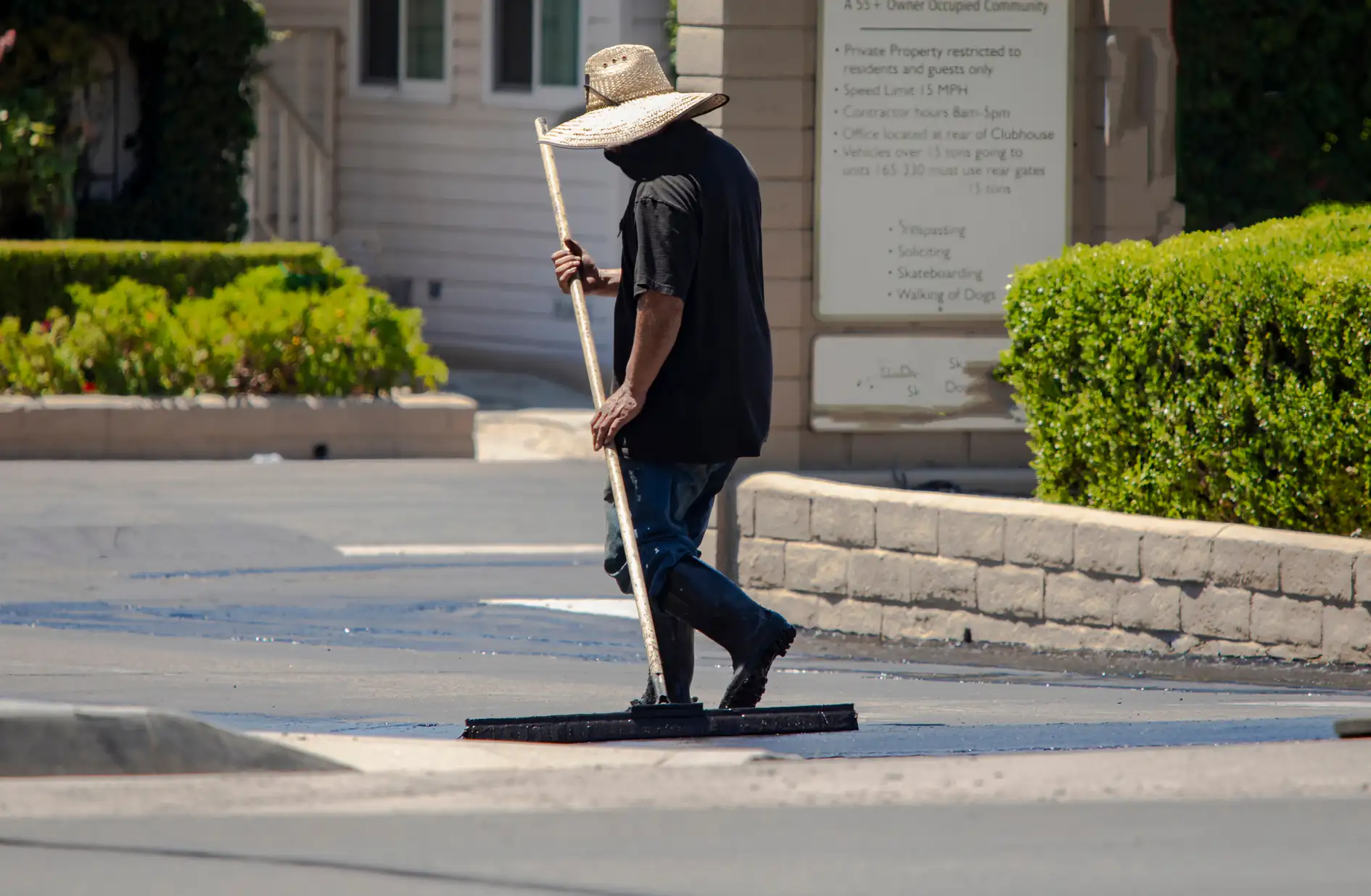
First, we clean the surface. That means power washing to remove dirt, oil, and any loose material. Sealer won’t bond to a dirty driveway, so this step matters more than most contractors admit.
Next, we fill the cracks. We use hot rubberized crack filler that stays flexible through temperature swings. If we skip this, water will still get in through the cracks, and the sealcoat won’t do much good.
Then we apply two coats of sealer. The first coat penetrates and bonds to the asphalt. The second coat builds thickness and creates that protective layer. We let each coat dry fully before applying the next, which usually means the job takes a full day or spans two days depending on weather.
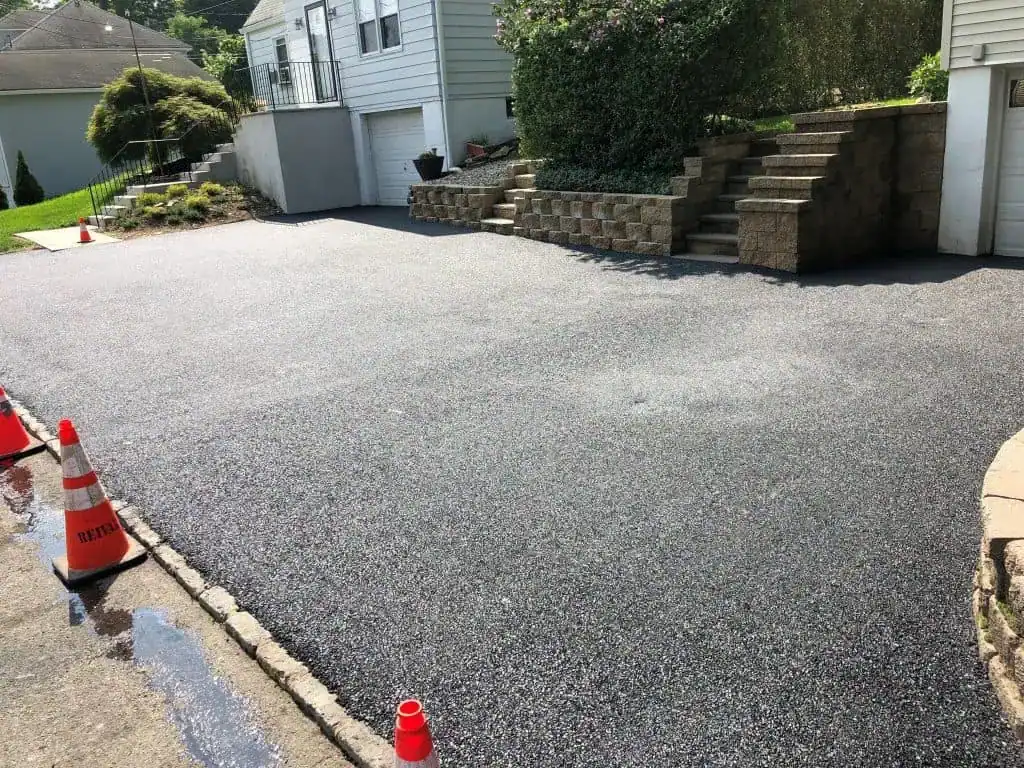
After 24 to 48 hours, your driveway is ready to drive on. You’ll see a smooth, matte black finish that’s easy to clean and built to last three to four years before it needs reapplication.
Ready to get started?
Every sealcoating service includes power washing, crack filling, and two coats of custom-blended sealer. We don’t charge extra for those—they’re part of doing the job right.
We also edge by hand along garage doors, walkways, and landscaping to keep lines clean. You won’t have sealer splattered on your sidewalk or grass. And we block off the driveway with cones and caution tape so no one drives on it before it’s cured.
In Hopatcong and the surrounding Morris County area, fall is the best time to seal. Temperatures are stable, humidity is lower, and the sealer cures properly before winter hits. That gives you maximum protection against the freeze-thaw cycles that start in November and don’t let up until March.
We also serve Dover, Parsippany, Morristown, Madison, Rockaway, and most of North Jersey. If you’re within 30 miles of Morris County, we’ll come out for a free estimate. Most driveways cost between $180 and $500 depending on size, and we’ll give you an exact number before we start.

For a standard two-car driveway—around 600 square feet—you’re looking at $180 to $270. That includes power washing, crack filling, two coats of sealer, and a two-year warranty.
Larger driveways or driveways with heavy cracking will cost more, but most residential jobs fall between $150 and $500. We give you a firm price upfront after looking at the driveway in person. No surprises, no upsells once we start.
Price varies based on size, condition, and how much prep work is needed. If your driveway has deep cracks or surface damage, we’ll tell you whether sealcoating makes sense or if you need patching first.
Two coats of quality sealer will last three to four years in Hopatcong and the surrounding area. That’s assuming normal use—two cars, regular traffic, no heavy equipment.
North Jersey winters are hard on asphalt, so sealcoating wears faster here than it does in milder climates. The freeze-thaw cycles, road salt, and UV exposure all break down the sealer over time. Reapplying every three to four years keeps your driveway protected and extends its overall lifespan.
If you see the driveway starting to fade to grey or water stops beading on the surface, it’s time to reseal. Waiting too long means water gets back in, and you’re starting from scratch with new cracks.
Fall is ideal—late August through October. Temperatures are consistent, there’s less rain, and the sealer has time to cure before winter. Spring works too, but you’re racing against summer heat, which can make the sealer dry too fast.
Sealer needs to be applied when temperatures are between 50 and 85 degrees and no rain is expected for 24 hours. If it’s too cold, the sealer won’t bond. If it’s too hot, it dries before it penetrates. Fall gives you the most reliable window.
We don’t recommend sealing in summer unless it’s early morning or late evening. Midday heat causes the sealer to dry on the surface without soaking in, and that leads to premature wear.
Small cracks—anything under a quarter inch—get filled as part of the sealcoating process. We use hot rubberized crack filler that stays flexible and prevents water from getting in.
Larger cracks or areas where the asphalt is crumbling need patching before we seal. Sealcoating won’t fix structural damage. It protects healthy asphalt and prevents new damage, but it’s not a repair product.
If your driveway has deep cracks, potholes, or sunken areas, we’ll walk you through what needs to be fixed first. Sometimes a small patch job is all it takes. Other times, sections need to be cut out and repaved. We’ll give you options and let you decide what makes sense.
You can walk on it after 4 to 6 hours. You can drive on it after 24 to 48 hours, depending on temperature and humidity.
We’ll tell you exactly when it’s safe based on the weather that day. Driving on it too soon leaves tire marks and damages the sealer, so it’s worth waiting. Most people schedule the work for a Friday or Saturday so they have the weekend to let it cure.
If it’s hot and dry, the sealer cures faster. If it’s cool or humid, it takes longer. We’ll block off your driveway and give you a clear timeline before we leave.
No. New asphalt needs 6 to 12 months to cure before you seal it. Sealing too early traps oils in the asphalt that need to evaporate, and that can cause the sealer to fail or the asphalt to stay soft.
Once the driveway has cured—usually after one full winter—it’s ready for its first sealcoat. After that, you’ll reseal every three to four years to keep it protected.
If you just paved your driveway, wait until next fall to seal it. In the meantime, avoid using harsh chemicals or deicers, and sweep it regularly to keep debris from sitting on the surface.