
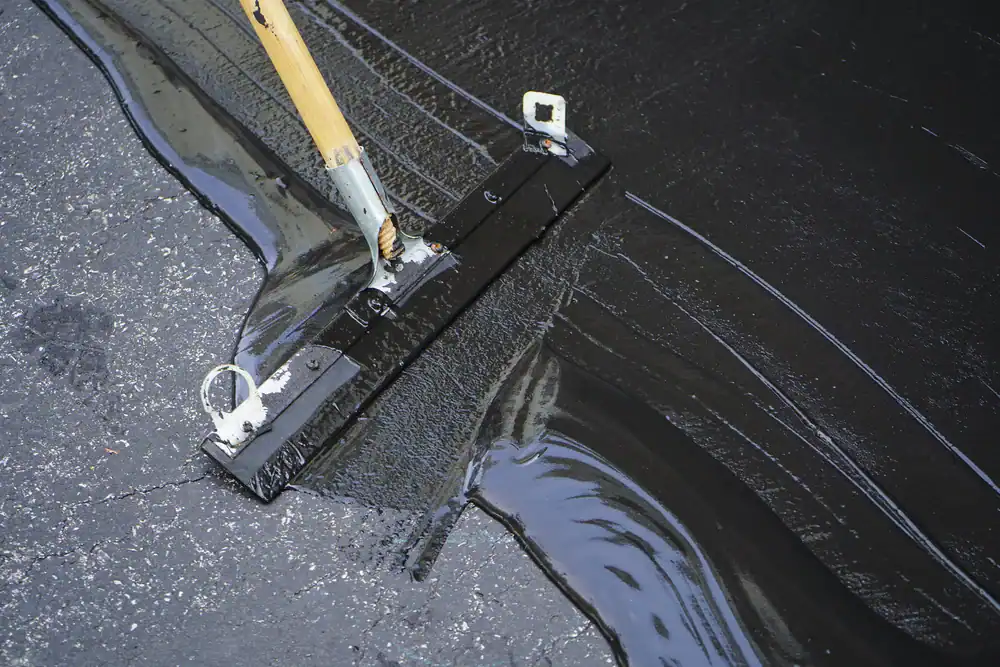
Hear from Our Customers
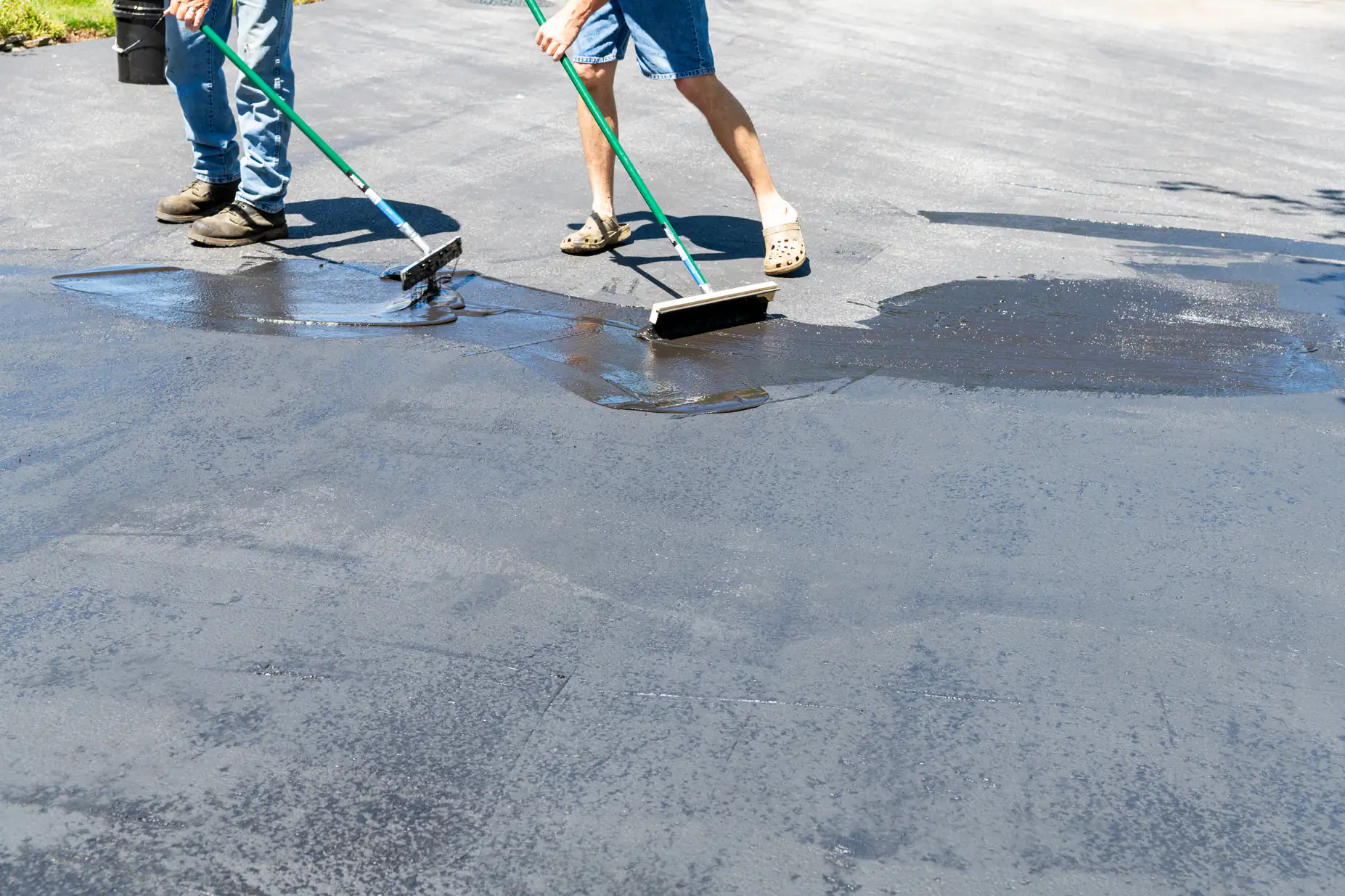
You stop watching cracks spread every spring. That’s the real outcome here.
When water gets into asphalt and freezes, it expands by 9%. That’s enough force to split rock, and it’s why driveways in Glen Ridge and Essex County deteriorate so fast. One winter without protection can undo years of care.
Sealcoating creates a barrier that keeps water on the surface where it belongs. It also blocks UV damage, prevents oxidation, and gives you a clean, uniform appearance that actually affects your property value. Homes with strong curb appeal sell for up to 7% more than comparable properties with worn exteriors.
The cost difference is significant. Sealcoating runs $150 to $500 for most residential driveways. Compare that to crack filling at $100 to $400, patching at $100 to $500, or full resurfacing at $500 to $2,000. A new driveway costs $3,000 to $10,000.
You’re not just maintaining asphalt. You’re avoiding a much larger bill down the road.
We work throughout Glen Ridge, Montclair, Short Hills, and the surrounding Essex County area. We’re based in Morris County and we understand what North New Jersey weather does to asphalt.
We’re not the cheapest option, and that’s intentional. You’re paying for high-grade materials applied at the right temperature, during the right season, with equipment that actually works. We’ve seen what happens when sealcoating is rushed or done with subpar products, and we’re not interested in callbacks or complaints.
Our team has handled residential driveways and commercial parking lots across Morris, Essex, Union, and Warren Counties for more than two decades. We show up when we say we will, we give you clear pricing upfront, and we don’t leave until the job is done right.
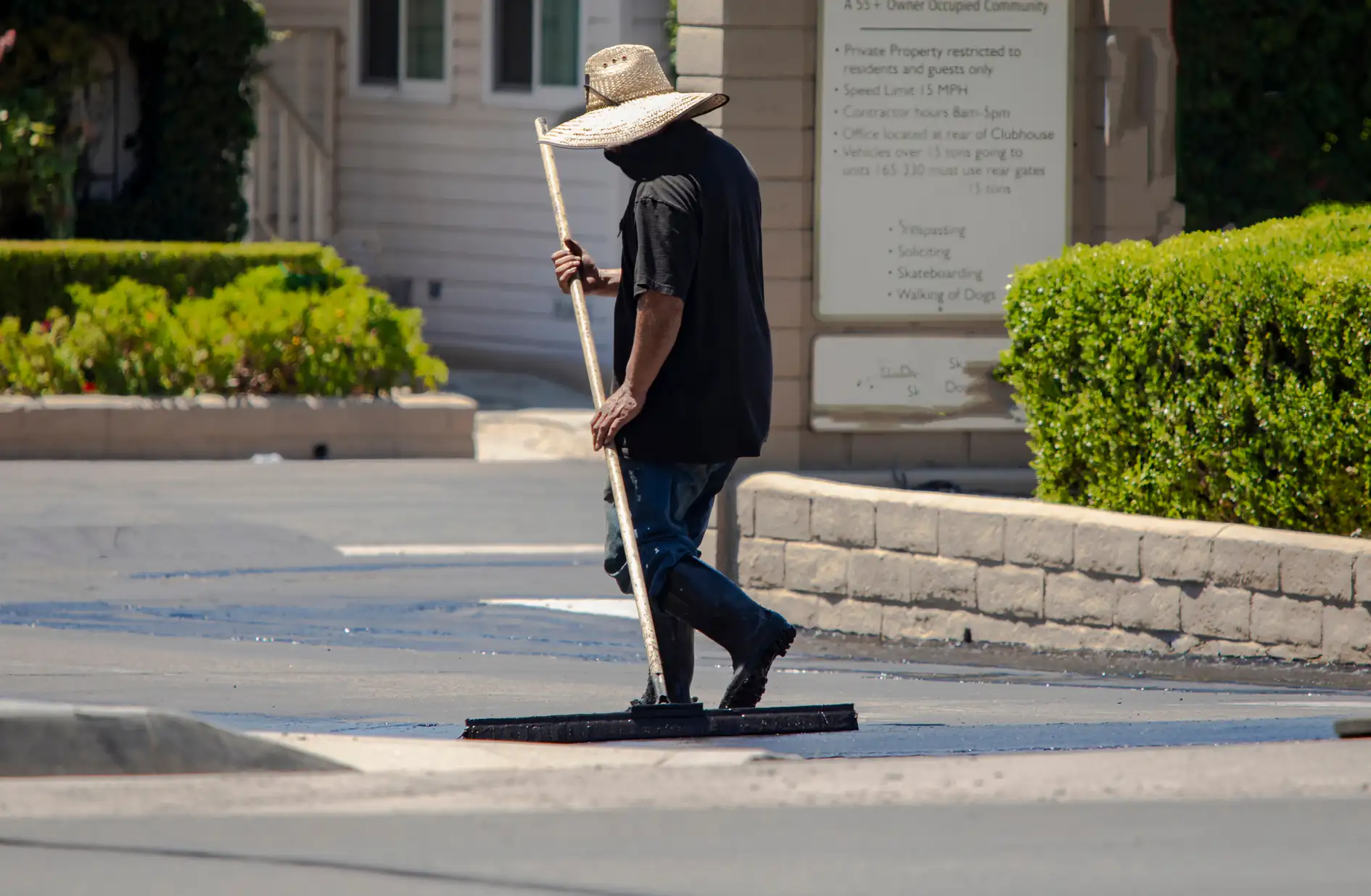
First, we inspect your driveway for cracks, potholes, or areas that need repair. Sealcoating doesn’t fix structural damage—it prevents it. If repairs are needed, we handle those first.
Next, we clean the surface. Oil stains, dirt, vegetation, and debris all interfere with adhesion. We use commercial-grade equipment to make sure the sealer actually bonds to your asphalt.
Then we apply the sealant. We use professional-grade coal tar or asphalt emulsion sealer depending on your driveway’s condition and your budget. Application happens in two coats for maximum protection, and we work in temperatures between 50 and 70 degrees to ensure proper curing.
Finally, we let it cure. You’ll need to stay off the driveway for 24 to 48 hours depending on weather conditions. After that, your driveway is protected and ready for another New Jersey winter.
The best time to sealcoat in Glen Ridge is early fall. Temperatures are stable, humidity is lower, and you’re getting ahead of winter instead of reacting to damage in the spring.
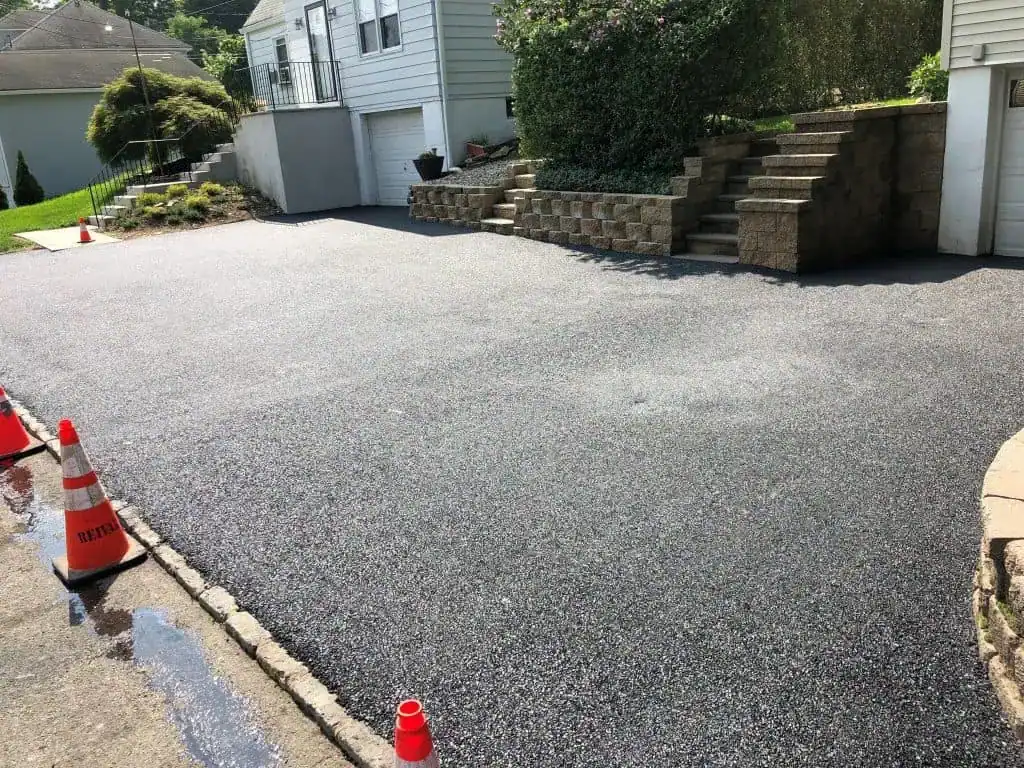
Ready to get started?
Every sealcoating job includes a full surface inspection, crack filling for minor damage, thorough cleaning, and two coats of professional-grade sealer. We don’t skip steps to save time.
In Glen Ridge and Essex County specifically, we account for the higher-than-average freeze-thaw cycles your property experiences. Properties near Bloomfield, Montclair, and East Orange face similar conditions—temperature swings that accelerate asphalt breakdown. We adjust our approach based on your driveway’s exposure, age, and current condition.
You’ll also get clear communication throughout the process. We’ll tell you upfront if your driveway needs repairs before sealcoating, what the timeline looks like, and what to expect during curing. No surprises, no upselling, no vague estimates that balloon later.
We also offer decorative options if you’re looking for more than basic protection. Stamped concrete patterns and custom finishes are available for driveways that need both function and appearance upgrades.
Most importantly, you get a driveway that’s protected before winter, not after. That’s the difference between prevention and repair, and it’s why fall sealcoating makes financial sense.

Most residential driveways in Glen Ridge run between $150 and $500 depending on size and condition. The typical cost is $0.30 to $0.50 per square foot in New Jersey, which is about 15% to 20% higher than the national average due to labor costs and climate demands.
A standard two-car driveway (around 720 square feet) usually falls in the $230 to $390 range. Larger driveways or those needing significant crack repair will cost more. Commercial parking lots range from $1,000 to $5,000+ depending on square footage and surface condition.
We give you upfront pricing after inspecting your driveway. No hidden fees, no surprise charges after the work is done. If repairs are needed before sealcoating, we’ll tell you exactly what those cost and why they matter.
Fall is the ideal window for driveway sealing in Glen Ridge and Essex County. Temperatures between 50 and 70 degrees allow the sealer to cure properly without the extreme heat of summer or the cold of winter interfering with adhesion.
You want to sealcoat before winter, not after. Once freeze-thaw cycles start, water gets into cracks and expands, causing damage that sealcoating can’t fix. By the time spring arrives, you’re looking at repair costs instead of prevention costs.
The application season runs from mid-April through mid-October in New Jersey, but early fall offers the most stable conditions. If you wait too long, temperatures drop below the minimum threshold and you’re stuck waiting until spring—after winter has already done its damage.
Sealcoating typically lasts two to three years in New Jersey, depending on traffic, weather exposure, and maintenance. Properties in Glen Ridge, Montclair, and Essex County experience harsher freeze-thaw cycles than southern parts of the state, which can shorten that timeline slightly.
A well-maintained asphalt driveway with regular sealcoating can last 15 to 20 years. Without sealcoating, that lifespan drops to 8 to 12 years. The difference is significant when you consider replacement costs.
You’ll know it’s time to reseal when water stops beading on the surface and starts soaking in. That’s a sign the protective barrier has worn down and your asphalt is exposed again. Most homeowners reseal every two to three years to maintain protection.
You can, but the cracks need to be filled first. Sealcoating isn’t a repair—it’s a protective coating. It won’t fill gaps or fix structural damage.
We inspect every driveway before sealcoating and address cracks larger than a quarter-inch. Small cracks get filled with rubberized crack filler that flexes with temperature changes. Larger cracks or potholes may need patching with hot mix asphalt before sealing.
If your driveway has extensive cracking or alligatoring (a web-like pattern of interconnected cracks), sealcoating won’t solve the problem. At that point, you’re looking at resurfacing or replacement. We’ll tell you honestly what makes sense for your situation and budget.
Coal tar sealer is more durable and offers better protection against gas, oil, and UV damage. It’s the preferred choice for driveways that see regular vehicle traffic or exposure to automotive fluids. It also holds up better in harsh climates like North New Jersey.
Asphalt emulsion sealer is more environmentally friendly and works well for driveways in good condition that don’t face heavy wear. It’s less expensive but doesn’t last quite as long as coal tar, especially in areas with severe freeze-thaw cycles.
We recommend coal tar for most residential driveways in Glen Ridge and Essex County because of the climate demands. Your driveway faces temperature swings, road salt, and freeze-thaw cycles that require the strongest protection available. We’ll walk you through the options and explain what makes sense for your specific property.
Sealcoating is functional, not cosmetic. It prevents water infiltration, which is the primary cause of asphalt deterioration in New Jersey. When water seeps into asphalt and freezes, it expands and creates cracks. Those cracks let in more water, and the cycle accelerates.
Without sealcoating, your driveway oxidizes and becomes brittle. UV rays break down the asphalt binder, and the surface starts to crumble. You’ll see fading, cracking, and eventually potholes. Repairs get more expensive the longer you wait.
Insurance won’t cover weather-related deterioration, so you’re responsible for maintenance and repairs. Sealcoating every two to three years costs a fraction of what you’ll pay for resurfacing or replacement. It’s preventive maintenance that actually saves money.