
Hear from Our Customers
Here’s what happens when you skip sealcoating in Franklin. Water gets into those hairline cracks during fall. Winter hits, that water freezes and expands, and by spring you’re looking at potholes and edge crumbling that cost $1,500 to repair. The clay soil around here makes it worse because it holds moisture longer than sandy soil would.
Sealcoating creates a barrier. Not a perfect one, but good enough to keep most water out and give your driveway another 3-5 years before you need major work. It also protects against UV damage that dries out asphalt and makes it brittle. And it makes oil stains easier to clean off, which matters if anyone parks in your driveway regularly.
The difference between a sealed driveway and an unsealed one in Somerset County is visible after just one winter. Sealed driveways stay intact. Unsealed ones start showing cracks and surface deterioration. It’s not dramatic, but it’s real, and it compounds every year you wait.
We’re a third-generation contractor based in Morris County. We’ve worked in Franklin long enough to know what fails here and why. The soil composition, the drainage patterns, the way winter hits this area differently than it does 30 miles south.
We’re not the cheapest option, and we won’t pretend to be. What you’re paying for is commercial-grade sealer with over 50% solids content, proper surface prep including power washing and crack filling with hot rubberized filler, and two full coats applied at the right thickness. We also show up when we say we will and give you a written estimate that doesn’t change unless the scope changes.
We’re fully insured, we pull permits when required, and we’ve been doing this long enough that our reputation matters more than any single job. That’s why we don’t cut corners on materials or skip steps in the process.
First, we inspect your driveway to see if sealcoating even makes sense. If the asphalt is too far gone or if there are structural issues with the base, we’ll tell you. Sealcoating doesn’t fix foundation problems, and applying it over failing asphalt is a waste of your money.
If your driveway is a good candidate, we start with a thorough power wash to remove dirt, oil, and any loose material. Then we fill cracks wider than a quarter-inch with hot rubberized crack filler. This step matters because sealcoat alone won’t stop cracks from spreading. We also prime any oil spots so the sealer adheres properly.
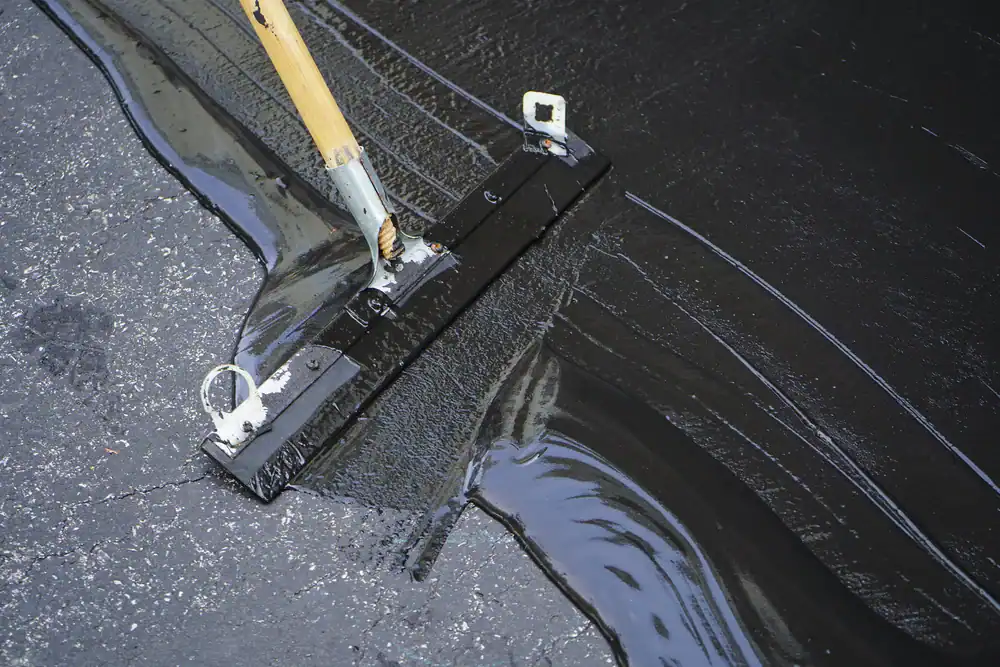
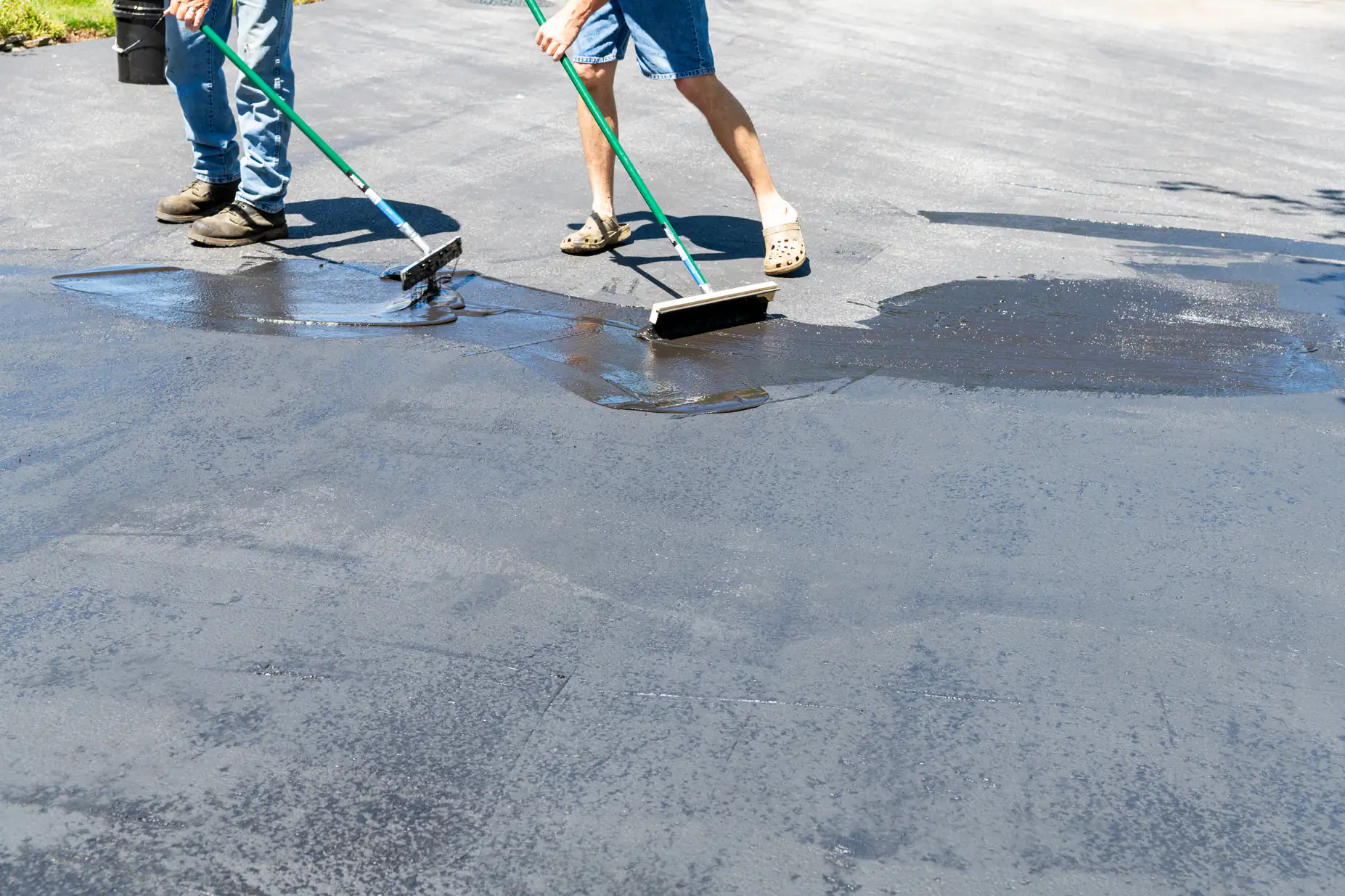
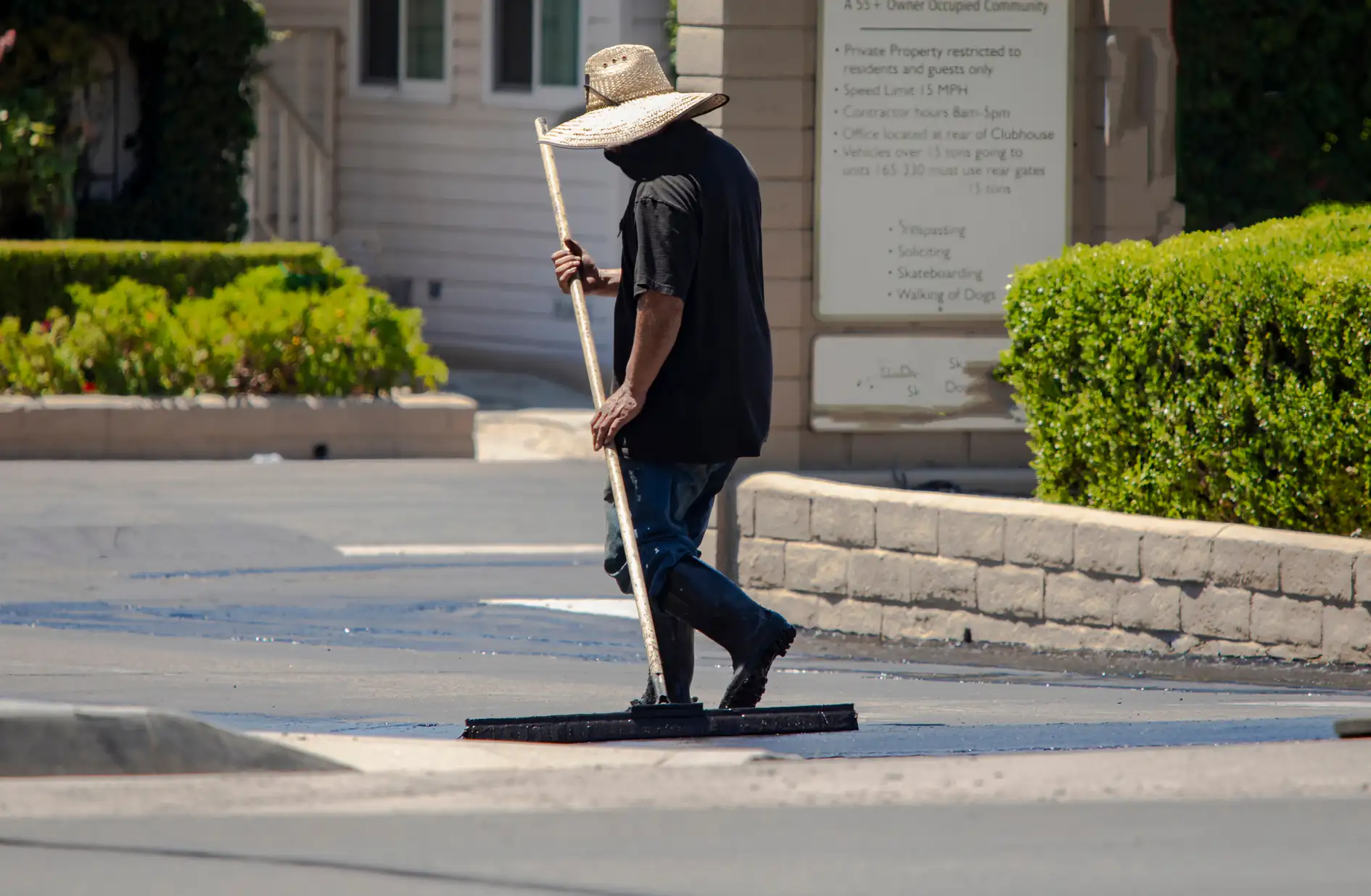
Next comes the actual sealcoating. We apply two coats of commercial-grade sealer mixed with sand for traction. The first coat seals the surface. The second coat provides durability and that fresh black appearance. We use squeegees and brushes for edges to ensure even coverage, and we don’t apply it too thin to save material.
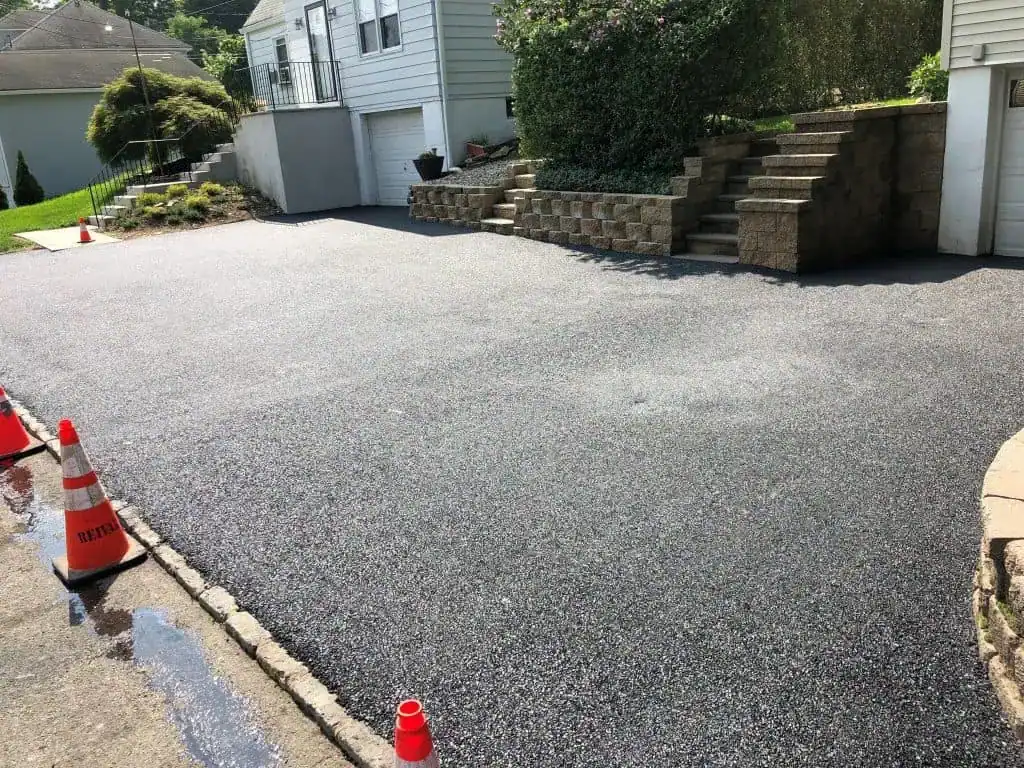
The driveway needs 24-48 hours to cure depending on temperature and humidity. We’ll tell you exactly when you can drive on it. If rain is forecast within that window, we reschedule. Applying sealer before rain ruins the job.
Ready to get started?
Every sealcoating job includes power washing, crack filling for cracks up to a half-inch wide, oil spot priming, and two coats of commercial-grade sealer with sand additive. We edge by hand around garage doors, walkways, and landscaping. We also mark off the driveway with caution tape and provide clear instructions for cure time.
In Franklin and throughout Somerset County, most residential driveways run between $300 and $600 depending on size and condition. That’s for a standard two-car driveway in decent shape. If your driveway has significant cracking or needs edge repair, that changes the scope and the price. We’ll walk the property with you and give you a written estimate before we start.
The sealer we use comes with a two-year warranty against peeling, flaking, or premature wear. That doesn’t mean your driveway will look perfect for two years, but it does mean the sealer itself won’t fail if it’s applied correctly and you follow the cure time instructions. Most driveways around here need resealing every 2-3 years depending on traffic and sun exposure.
One thing to know about Franklin specifically: the clay soil here doesn’t drain as well as sandy soil, so if your driveway has standing water issues or poor grading, sealcoating won’t fix that. We can recommend drainage solutions, but that’s separate work. Sealcoating works best when water runs off the surface instead of pooling.

For a standard two-car driveway in Franklin, you’re looking at $300 to $600 for professional sealcoating. That includes power washing, crack filling, and two coats of commercial-grade sealer. Larger driveways or those with significant cracking will cost more.
The price depends on square footage, current condition, and how much prep work is needed. If your driveway has major cracks, oil stains, or edge damage, expect to pay toward the higher end. Some contractors quote lower prices but use watered-down sealer or skip the crack filling, which means you’ll need another coat in a year.
We give written estimates after looking at your driveway in person. No surprises, no upselling once we start. The estimate includes everything: prep, materials, labor, and cleanup.
Fall is ideal for sealcoating in New Jersey, specifically late August through October. Temperatures are moderate, humidity is lower, and you have time for the sealer to cure properly before winter hits. Spring works too, but you’re racing against summer heat and afternoon thunderstorms.
You need at least 48 hours of dry weather and temperatures above 50 degrees for proper curing. If it rains within 24 hours of application, the sealer can wash away or cure unevenly. That’s why we watch the forecast closely and reschedule if conditions aren’t right.
Avoid sealcoating in summer when temperatures exceed 85 degrees. The sealer dries too fast, making it harder to spread evenly, and it can trap moisture underneath. Winter is obviously out because sealer won’t cure in cold temperatures. Plan ahead and book your sealcoating for early fall if you want it done before the first freeze.
Professional sealcoating typically lasts 2-3 years in Franklin before you need to reseal. That timeline depends on traffic, sun exposure, and how well the driveway was prepped before sealing. Driveways that face south and get full sun all day will fade faster than shaded driveways.
The sealer doesn’t just disappear after two years. It gradually wears down from tire traffic, UV exposure, and weather. You’ll notice the color fading first, then the surface starts looking dry and gray. That’s when you know it’s time to reseal.
Some contractors claim their sealer lasts 5+ years, but that’s not realistic in New Jersey’s climate. Freeze-thaw cycles, road salt, and UV damage all break down sealer faster here than in milder climates. Plan on resealing every 2-3 years if you want consistent protection. It’s cheaper than letting the driveway deteriorate and paying for crack repairs or resurfacing.
Yes, but the cracks need to be filled first. Sealcoating goes over the surface but doesn’t fill gaps. If you apply sealer over unfilled cracks, water will still get in and the cracks will keep spreading. You’re basically wasting money on a cosmetic fix that doesn’t protect anything.
We fill cracks with hot rubberized crack filler before we sealcoat. This creates a flexible seal that moves with the asphalt as it expands and contracts with temperature changes. For hairline cracks, the sealer itself provides some protection, but anything wider than a quarter-inch needs proper filling.
If your driveway has major cracking, alligator patterns, or sections that are sinking, sealcoating won’t help. Those are signs of base failure, and you need repair or replacement work before sealcoating makes sense. We’ll tell you honestly if your driveway is too far gone for sealcoating to be worth it.
Cheap sealcoating usually means watered-down sealer, one thin coat instead of two, and no crack filling or proper prep. It looks okay for a few months, then it starts peeling or wearing off in tire tracks. You end up paying twice because you need it redone within a year.
Professional sealcoating uses commercial-grade sealer with at least 50% solids content, applied in two coats at the proper thickness. The surface gets power washed first, cracks get filled with hot rubberized filler, and oil spots get primed. The sealer also includes sand for traction and UV protection to slow down fading.
The difference shows up after the first winter. Professional sealcoating holds up through freeze-thaw cycles and still looks decent after two years. Cheap sealcoating cracks, peels, or wears off in patches, leaving your driveway worse than before because now you have to strip the failed sealer before reapplying. It’s not worth saving $100 upfront if you’re paying $400 to fix it the next year.
No, concrete and asphalt need completely different treatments. Asphalt sealcoating uses a coal tar or asphalt emulsion product that protects against water, UV damage, and chemicals. Concrete sealing uses a penetrating or film-forming sealer designed for Portland cement.
If you have a concrete driveway, you’re looking at a different process and different materials. Concrete sealers protect against moisture penetration, freeze-thaw damage, and staining, but they don’t restore color the way asphalt sealer does. Concrete also doesn’t need sealing as frequently—usually every 3-5 years depending on the product used.
Some contractors do both asphalt and concrete work, but the equipment and materials are different. If someone tries to use asphalt sealer on concrete or vice versa, that’s a red flag. Make sure whoever you hire understands the difference and has experience with your specific driveway material.