
Hear from Our Customers
Every winter in Flanders brings 55 to 75 freeze-thaw cycles. Water gets into cracks, freezes, expands by 9%, and splits your asphalt from the inside out. What looks fine in October becomes a cracked, pitted mess by March.
Sealcoating creates a waterproof barrier that stops this cycle before it starts. No water penetration means no expansion, no widening cracks, and no expensive spring repairs. You’re not just protecting the surface—you’re preventing the kind of damage that costs $2,000 to $5,000 to fix.
The difference between a driveway that lasts 15 years and one that needs resurfacing in 7 comes down to whether you seal it or not. Road salt, UV rays, oil stains—they all eat away at unprotected asphalt. A proper seal blocks all of it and keeps your driveway looking new while everyone else is calling for repairs.
Platinum Paving is a third-generation, family-owned business grounded in Morris County. We know what Flanders winters do to asphalt because we’ve been repairing, resurfacing, and sealing driveways here for over two decades.
We’re BBB accredited with a 4.5-star rating and fully licensed with the NJ Division of Consumer Affairs. Every job comes with a 5-year warranty because we use commercial-grade materials and don’t cut corners. You’ll get a callback within 24 to 48 hours of requesting a quote, and we’ll give you upfront pricing with no surprise charges.
Most of our clients are homeowners in Flanders, Morristown, and surrounding Morris County towns with properties worth $650,000 or more. They don’t want the cheapest option—they want it done right the first time so they’re not dealing with this again in two years.
First, we clean the entire surface. That means removing dirt, debris, vegetation, and any loose material that would prevent the sealer from bonding properly. If your driveway has oil spots, we treat them with a primer so the sealer actually sticks.
Next, we fill every crack with hot rubber filler. This isn’t optional—it’s the difference between a seal that lasts and one that fails in the first season. Cracks let water through, and if water gets under the sealer, the whole job is worthless.
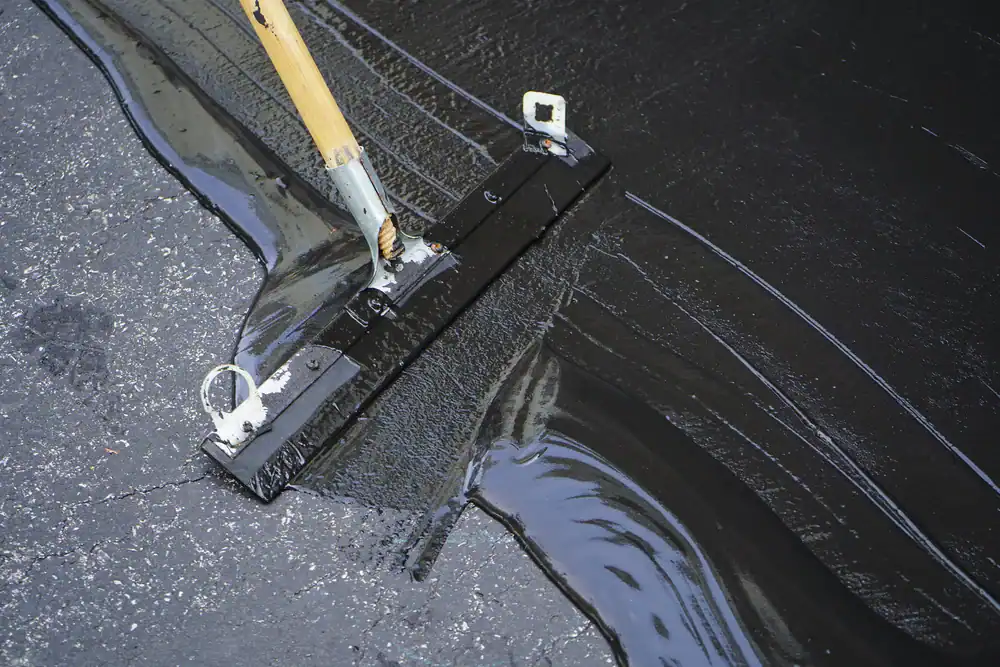
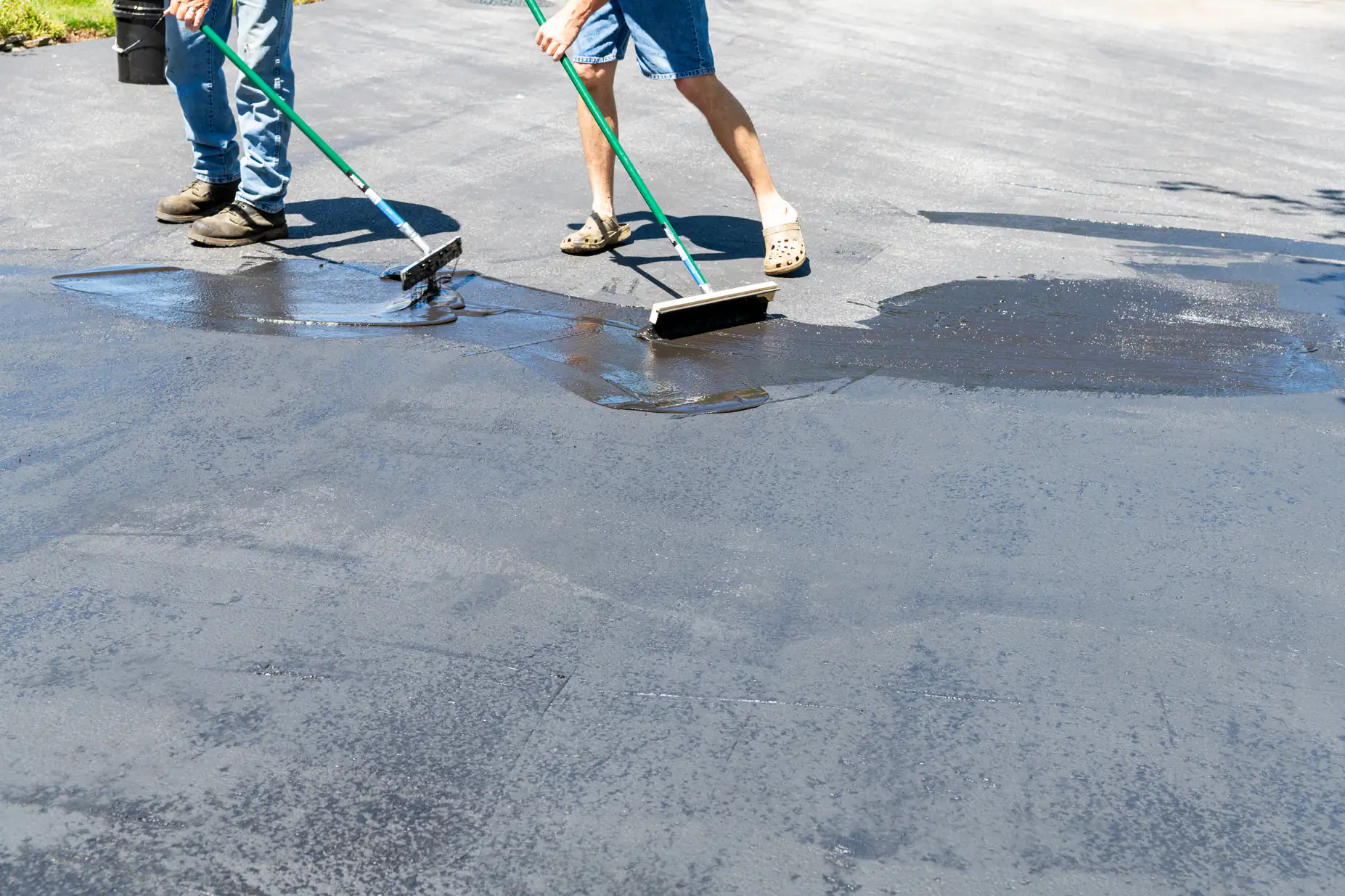
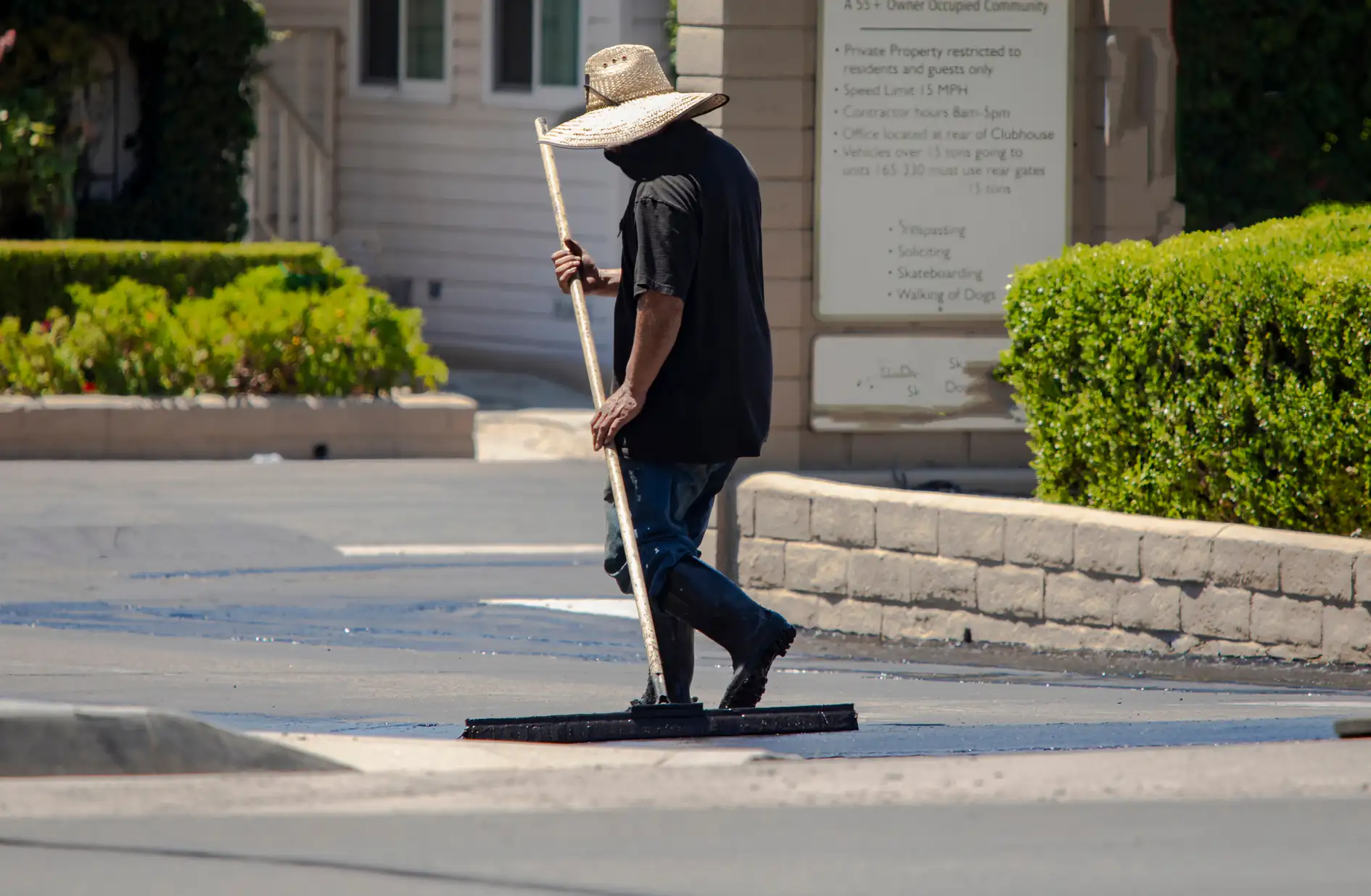
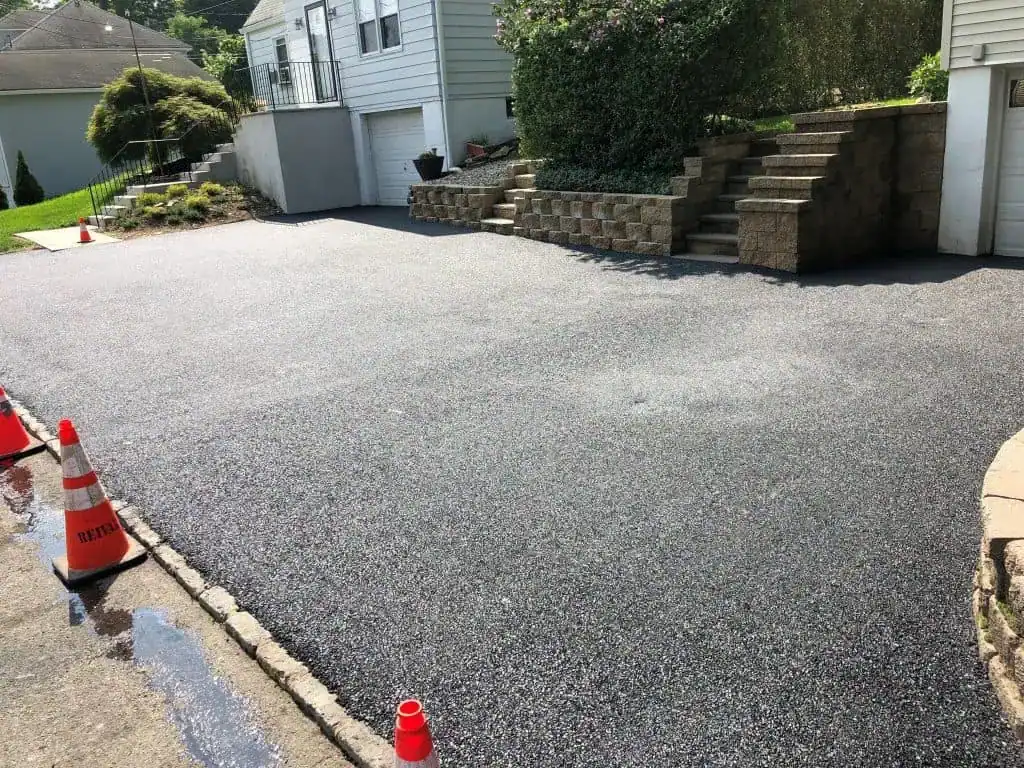
Then we apply two coats of commercial-grade sealer. Not the diluted stuff you see some contractors use—actual professional material that creates a flexible, waterproof barrier. We handle all the edge detail work so it looks clean, not sloppy. Once it’s cured, your driveway is protected from water, salt, UV damage, and oil stains for the next two to three years.
Ready to get started?
Driveway sealcoating in Flanders typically runs $0.15 to $0.25 per square foot. For most residential driveways, that’s $200 to $500 total. Compare that to crack filling at $100 to $400, patching at $100 to $500, resurfacing at $500 to $2,000, or full replacement at $3,000 to $10,000.
You’re not paying for cosmetics. You’re paying to avoid those bigger bills. Morris County prices run about 15% to 20% higher than the national average because labor costs more here and the freeze-thaw damage is more severe. But the ROI is clear—regular sealing extends your driveway’s life by 10 to 15 years.
New driveways should be sealed 6 to 12 months after installation, then every 2 to 3 years after that. If you skip it, you’re gambling that this winter won’t be the one that causes serious damage. And once the damage reaches the foundation layer, you’re not sealing anymore—you’re rebuilding.
The other thing you’re paying for is proper application. We don’t dilute materials, we don’t skip the crack filling, and we don’t apply a single thin coat and call it done. You get two full coats, professional equipment, and a crew that knows how to prep the surface correctly so the sealer actually bonds.

Professional sealcoating lasts 2 to 3 years in Flanders if it’s applied correctly. That timeline accounts for the 55 to 75 freeze-thaw cycles we get every winter, plus road salt exposure and UV damage during summer.
The key word is “correctly.” If the surface isn’t cleaned, cracks aren’t filled, or the sealer is diluted or applied too thin, you’ll see spider cracking and failure after the first season. That’s why material quality and prep work matter more than price.
You’ll know it’s time to reseal when the surface starts looking faded or gray instead of that dark black finish. If you’re seeing small cracks forming, don’t wait—get it sealed before water gets in and turns a $300 job into a $3,000 problem.
Late spring through early fall—basically May through October. You need consistent temperatures above 50°F for the sealer to cure properly, and you need at least 24 to 48 hours without rain.
Most people wait until spring, but that’s when contractors are slammed. If you schedule in late summer or early fall, you’ll get better availability, faster turnaround, and sometimes better pricing. Plus, you’re protecting your driveway before winter hits instead of repairing the damage after.
The worst time to call is April when you’re already seeing cracks and damage from the winter you just survived. By then, you’re competing with everyone else who waited too long, and you might not get on the schedule for weeks.
You can buy sealer at a hardware store and do it yourself, but the results usually don’t compare. DIY sealers are thinner, don’t last as long, and most homeowners skip critical steps like crack filling, oil spot treatment, and proper surface cleaning.
We use commercial-grade materials that cost more but create a thicker, more durable barrier. We also have the equipment to apply it evenly and the experience to know when conditions aren’t right for application. If it’s too hot, too cold, or rain is coming, the sealer won’t cure correctly—and most DIYers don’t know how to read those conditions.
The bigger issue is prep work. If you don’t fill the cracks with hot rubber filler or treat oil spots with primer, the sealer won’t bond. You’ll end up with a nice-looking driveway for a few months, then watch it fail. At that point, you’ve wasted money on materials and a weekend of work, and you still need to hire someone to do it right.
It prevents repairs—if those repairs would have been caused by water infiltration, which is most of them. When water gets into cracks and freezes, it expands with enough force to widen hairline cracks into major fissures. Do that 60 times in one winter and you’re looking at serious structural damage.
Sealcoating blocks the water from getting in. No water, no freeze-thaw damage, no expanding cracks. You’re also protecting against salt damage, which eats away at the pavement structure, and UV rays, which dry out and weaken asphalt over time.
The math is straightforward. Sealcoating costs $200 to $500 every few years. Resurfacing costs $500 to $2,000. Full replacement costs $3,000 to $10,000. If sealing prevents even one resurfacing job over the life of your driveway, it’s paid for itself five times over. And if it prevents full replacement, you’ve saved thousands.
It deteriorates faster. A sealed driveway in Morris County can last 25 to 30 years. An unsealed one might make it 10 to 15 before it needs major work, depending on drainage and how harsh the winters are.
You’ll start seeing small cracks within a few years. Those cracks let water in, which leads to bigger cracks, potholes, and eventually foundation damage. Once water reaches the base layer, you’re not patching anymore—you’re tearing out sections and rebuilding them.
The other thing that happens is your property value takes a hit. A cracked, faded driveway signals deferred maintenance to buyers. When homes in Flanders are selling for $650,000 and moving within 30 days, little details matter. A fresh seal costs $300 and makes your home look maintained. Skipping it might cost you more than that in negotiating power when you sell.
Ask what type of sealer they use and whether they dilute it. Commercial-grade coal tar or asphalt emulsion sealers should be applied at full strength or with minimal water added per manufacturer specs. If they’re adding extra water to stretch the product, it won’t perform.
Check if they’re doing proper prep work. That means cleaning, crack filling with hot rubber (not cold pour), oil spot treatment, and two coats of sealer. If they’re skipping steps or only applying one coat, the job won’t last.
Look for licensing, insurance, and warranties. In New Jersey, paving contractors should be licensed with the Division of Consumer Affairs. A legitimate company will have liability insurance and offer at least a one-year warranty on the work. We offer five years because we’re confident in our materials and process. If a contractor won’t stand behind their work, that tells you something about the quality you’re getting.