
Hear from Our Customers
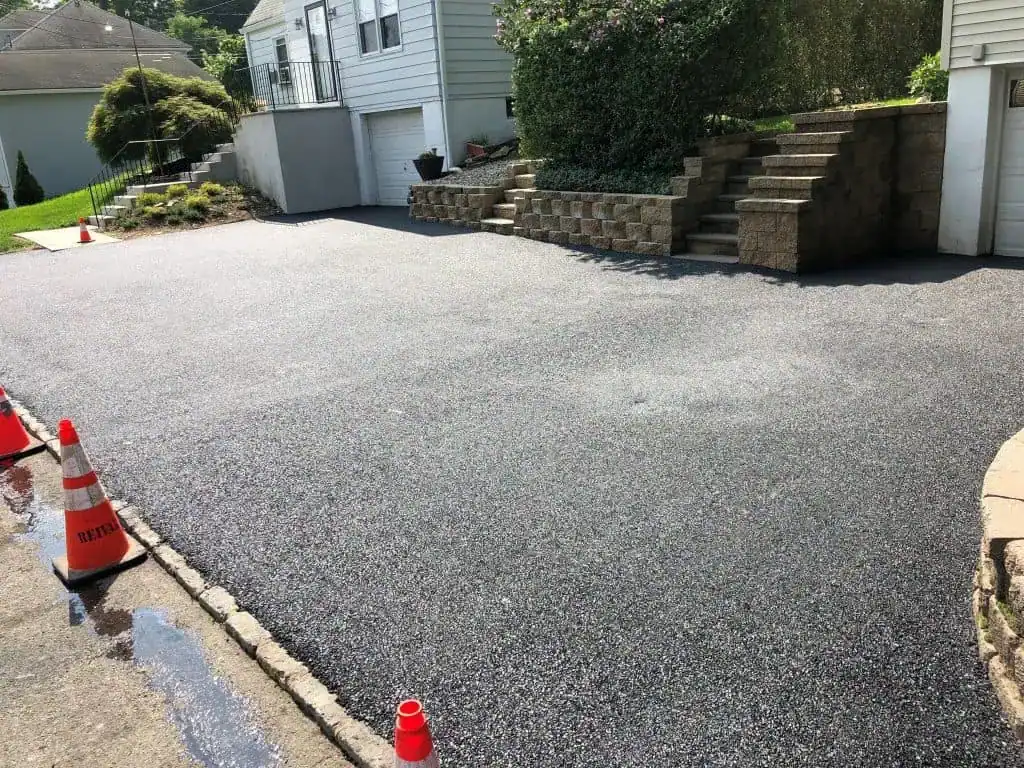
Your driveway stops breaking down. Water can’t seep into cracks, freeze, and tear the surface apart from the inside. UV rays and chemicals from cars don’t eat away at the asphalt anymore.
You get a clean, dark finish that makes your property look maintained instead of neglected. More importantly, you’re not staring at a $7,000 replacement bill three years from now because you skipped a $400 sealcoating job today.
Sealcoating closes the surface before damage gets deep. It’s not about making things pretty—it’s about stopping expensive problems while they’re still cheap to fix. Most driveways in East Franklin benefit from sealcoating every two to three years, depending on traffic and weather exposure.
We’ve been handling residential and commercial paving work across Morris, Sussex, and Somerset Counties for years. We’re not a national franchise that doesn’t understand local soil conditions or drainage patterns.
East Franklin sits in an area where freeze-thaw cycles hit hard. Clay soil underneath driveways shifts. Water doesn’t drain the same way it does twenty miles south. We’ve worked on enough properties here to know what fails and what lasts.
You’ll get a quote within 24 to 48 hours. No surprises on price, no delays on the schedule. We use commercial-grade sealers with higher solids content than what most contractors apply, and we back the work with a two-year warranty.
First, we clean the surface. Oil stains, dirt, and debris get removed because sealer won’t bond to a dirty driveway. If there are cracks wider than a quarter-inch, we fill them with hot rubberized crack filler before applying anything else.
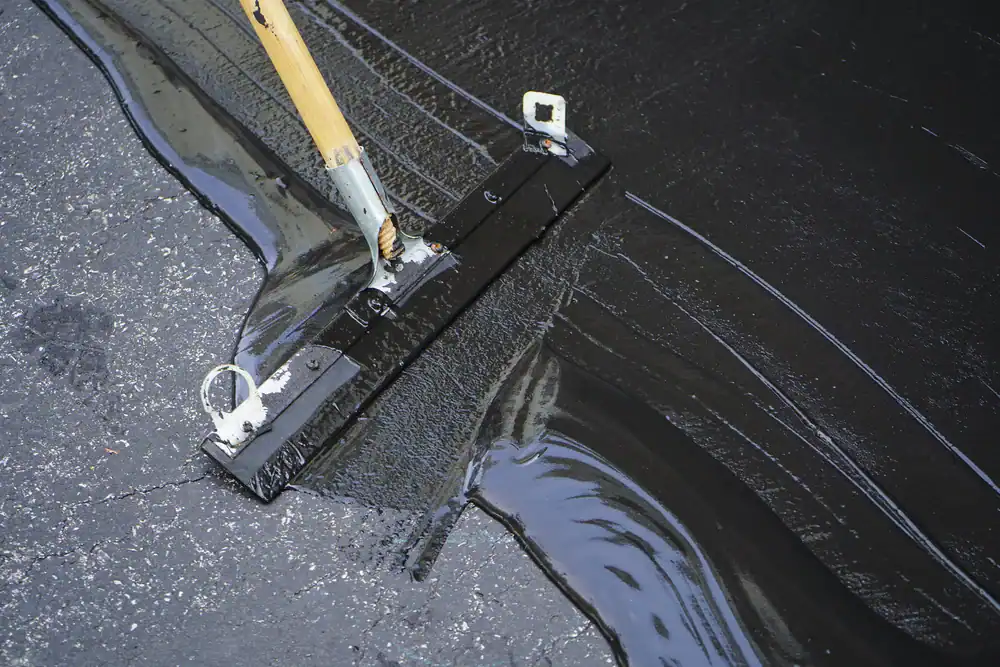
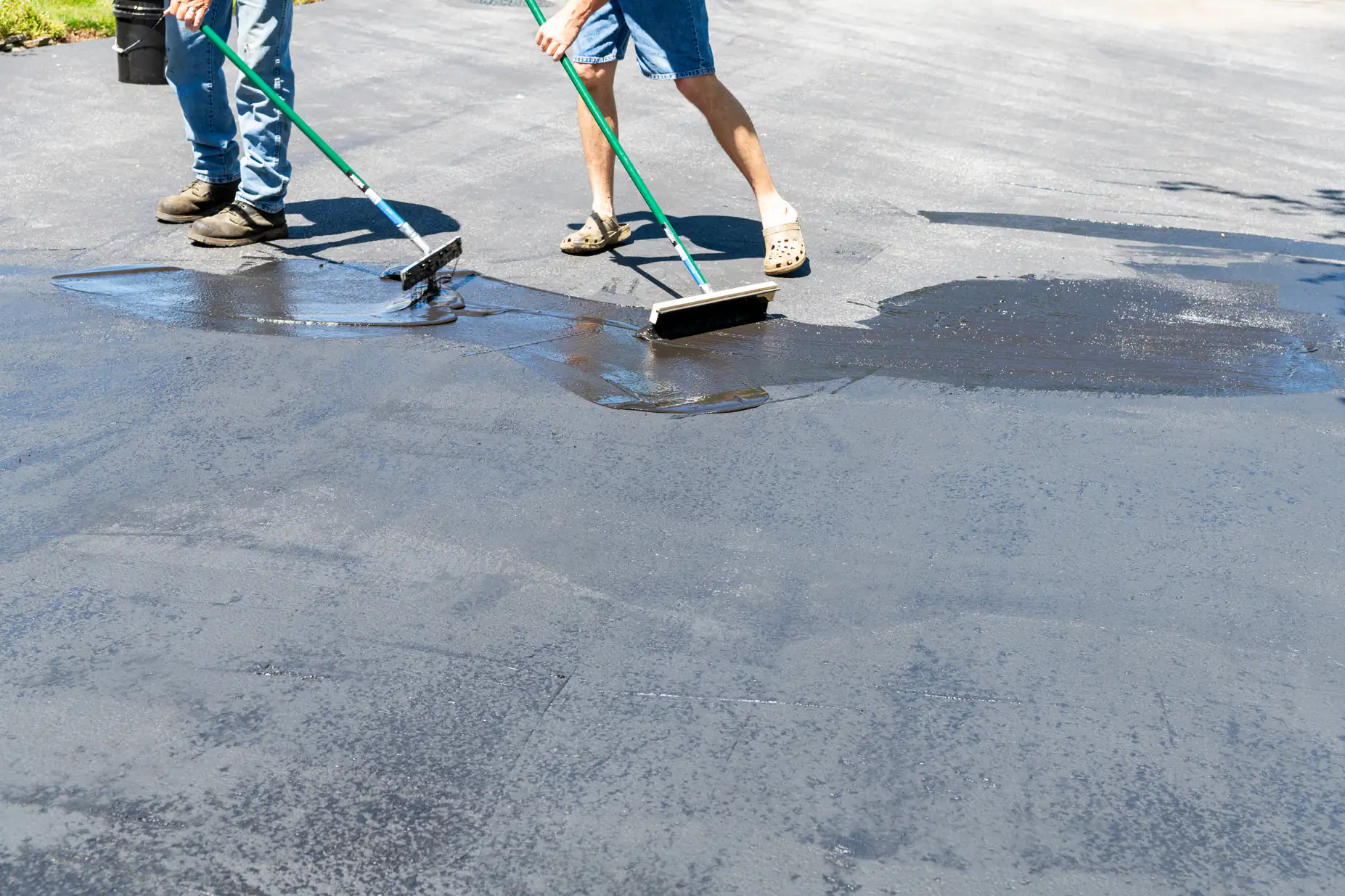
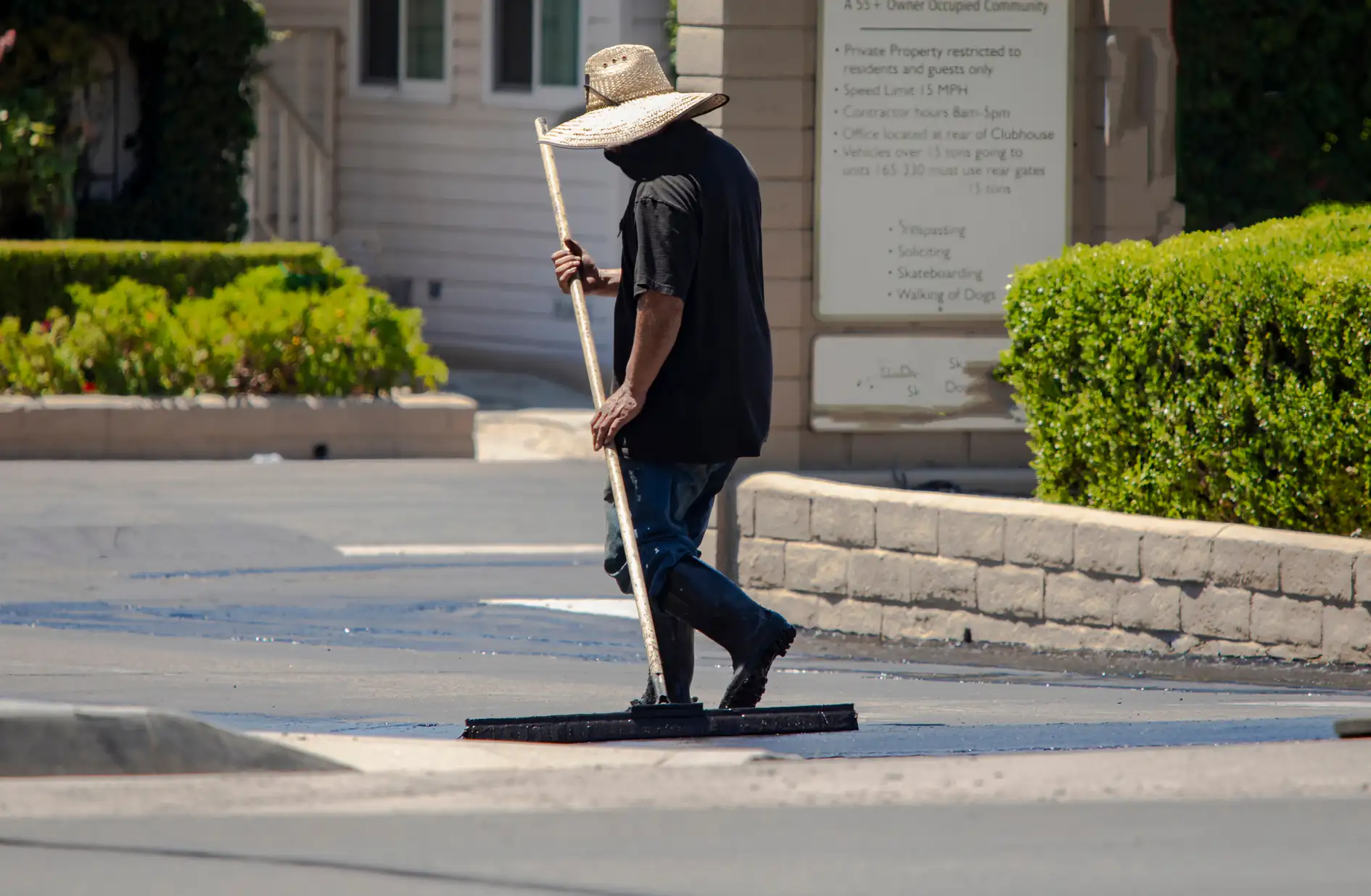
Then we apply a commercial-grade sealer using professional equipment—not a brush and bucket. The sealer goes on evenly at the right thickness. Too thin and it won’t last. Too thick and it can peel. We’re applying a protective layer that seals the pores in your asphalt and shields it from water, UV damage, and chemicals.
After application, the driveway needs 24 to 48 hours to cure depending on temperature and humidity. You’ll stay off it during that time. Once it’s cured, you’ve got a durable, weather-resistant surface that’s easier to clean and significantly more protected than it was before.
Ready to get started?
Every sealcoating job includes surface cleaning, crack filling for gaps up to a certain width, edging along garage doors and walkways, and two coats of high-solids sealer. We use materials that contain over 50% solids with polymer additives—not the watered-down products some contractors use to cut costs.
East Franklin driveways deal with heavy freeze-thaw cycles. That’s why crack repair matters before sealing. Water gets into cracks, freezes, expands, and makes the damage worse every winter. Filling those cracks stops that cycle.
You’ll also get clear communication about cure time and when you can use the driveway again. Most residential driveways are ready for light traffic within 24 hours and full use within 48 hours. The sealer we use is designed to handle New Jersey weather without peeling or flaking under normal conditions, and it’s backed by a two-year warranty against wear-off.

Most residential driveways in East Franklin run between $300 and $600 for professional sealcoating, depending on size and condition. You’re looking at roughly $0.15 to $0.40 per square foot.
If your driveway has significant cracking or damage, the price goes up because crack filling and repairs add labor and material costs. A driveway that hasn’t been maintained in ten years will cost more than one that’s been sealed regularly.
Compare that to replacement costs. Tearing out and repaving a driveway runs $6 to $8 per square foot—sometimes more if there are grading or drainage issues. A $400 sealcoat job today can prevent a $7,000 replacement job in three years. That’s the math that matters.
Every two to three years for most residential driveways. If you have heavier traffic or your driveway gets full sun all day, you might need it closer to every two years.
New asphalt should cure for at least six months before the first sealcoating. After that, you’re on a maintenance schedule. Waiting too long between applications means you’re letting damage build up, and eventually you’ll need repairs instead of just sealing.
East Franklin’s weather accelerates wear. Freeze-thaw cycles, summer heat, and UV exposure all break down asphalt faster than in milder climates. Regular sealcoating keeps the surface protected so those elements can’t penetrate and cause structural damage.
Material quality and application method. A lot of low-cost contractors water down their sealer to stretch it further. You’re getting a thin coat that might last 12 to 16 months before it wears off.
Professional-grade sealers contain higher solids content—over 50% compared to 40% or less in cheaper products. Higher solids mean better protection and longer-lasting results. We use commercial equipment that applies sealer evenly, not a squeegee and a bucket.
The other difference is prep work. Cheap jobs skip crack filling and proper cleaning. The sealer goes over dirt and oil, so it doesn’t bond correctly. Within a year, you’re seeing peeling and premature wear. You end up paying twice—once for the bad job and again to fix it.
You can do it yourself if you’re comfortable with the process and have realistic expectations about results. DIY sealcoating costs less upfront but requires the right tools, materials, and weather conditions.
Most homeowners underestimate how much prep work matters. If you don’t clean the surface properly or fill cracks correctly, the sealer won’t last. You also need to apply it at the right thickness—too thin and it wears off fast, too thick and it can crack or peel.
We have commercial-grade equipment and experience with local conditions. We know how East Franklin’s clay soil affects drainage, how to handle driveways on slopes, and what fails during New Jersey winters. If your driveway has significant damage or you want results that last, hiring experienced driveway sealcoating contractors makes more sense than experimenting on your own.
Yes, if it’s done correctly and maintained on schedule. Sealcoating protects asphalt from water infiltration, UV damage, and chemical spills. Those are the three main things that break down driveways over time.
Water is the biggest threat. It seeps into tiny pores in the asphalt, freezes when temperatures drop, and expands. That expansion creates cracks. Those cracks let in more water, which creates bigger cracks. Sealcoating closes those pores before water gets in.
An unsealed driveway in East Franklin might last 12 to 15 years before it needs replacement. A properly maintained driveway with regular sealcoating can last 20 to 25 years or more. You’re adding years of usable life for a fraction of what replacement costs. Over two decades, you’ll spend maybe $2,000 on maintenance versus $10,000 or more on a full replacement.
Small cracks turn into big cracks. Surface damage becomes structural damage. Eventually, you’re looking at repairs or replacement instead of simple maintenance.
Once water gets below the surface and starts breaking down the base layer, sealcoating won’t fix it. You’ll need to cut out damaged sections, rebuild the base, and repave those areas. That costs significantly more than regular sealcoating.
The longer you wait, the more expensive the fix becomes. A driveway that needed a $400 sealcoat five years ago might need $2,000 in crack repairs today, or $8,000 in replacement tomorrow. Sealcoating works best as prevention, not as a repair solution for driveways that are already failing.