
Hear from Our Customers
You’re looking at your driveway right now and seeing hairline cracks that weren’t there last year. Maybe a few spots where the asphalt looks faded or rough. Those aren’t just cosmetic issues.
Northern New Jersey goes through 40% more freeze-thaw cycles than the rest of the state. Water gets into those cracks, freezes, expands with 30,000 psi of force, and splits your asphalt apart from the inside. By spring, you’re staring at damage that costs thousands to fix.
Professional driveway sealcoating creates a waterproof barrier that stops this cycle before it starts. A sealed driveway in Chester can last 20-30 years with regular maintenance. Without it, you’re looking at 10-15 years before you’re repaving.
The math is simple. A $300-500 sealcoating job every few years, or a $5,000-7,000 replacement when the foundation fails. Most homeowners in Morris County who skip fall sealcoating discover extensive winter damage that requires expensive spring repairs.
We’ve spent over 20 years working on driveways throughout Chester, Bernardsville, Morristown, and the surrounding Morris County area. We’re not a franchise or a crew that shows up from three states away.
We live here. We know that Chester’s elevation and exposure mean more freeze-thaw cycles than towns 20 minutes south. We understand that your driveway takes a beating from October through April, and we use commercial-grade sealants designed specifically for this climate.
When you call us, you’re getting contractors who’ve seen what happens when sealcoating is skipped, done too late, or applied incorrectly. We show up when we say we will, we give you clear pricing upfront, and we stand behind our work because our reputation in this community depends on it.
First, we inspect your driveway for cracks, potholes, or foundation issues that need repair before sealcoating. Sealing over damaged asphalt doesn’t fix the problem—it just hides it temporarily.
We clean the entire surface using professional equipment that removes oil stains, dirt, vegetation, and debris. This step matters more than most homeowners realize. Sealant won’t bond properly to a contaminated surface, which is why DIY jobs often fail within a year.
Any cracks wider than a quarter-inch get filled with hot rubberized crack filler. This creates a flexible seal that moves with your driveway as temperatures change, preventing water infiltration at the most vulnerable points.
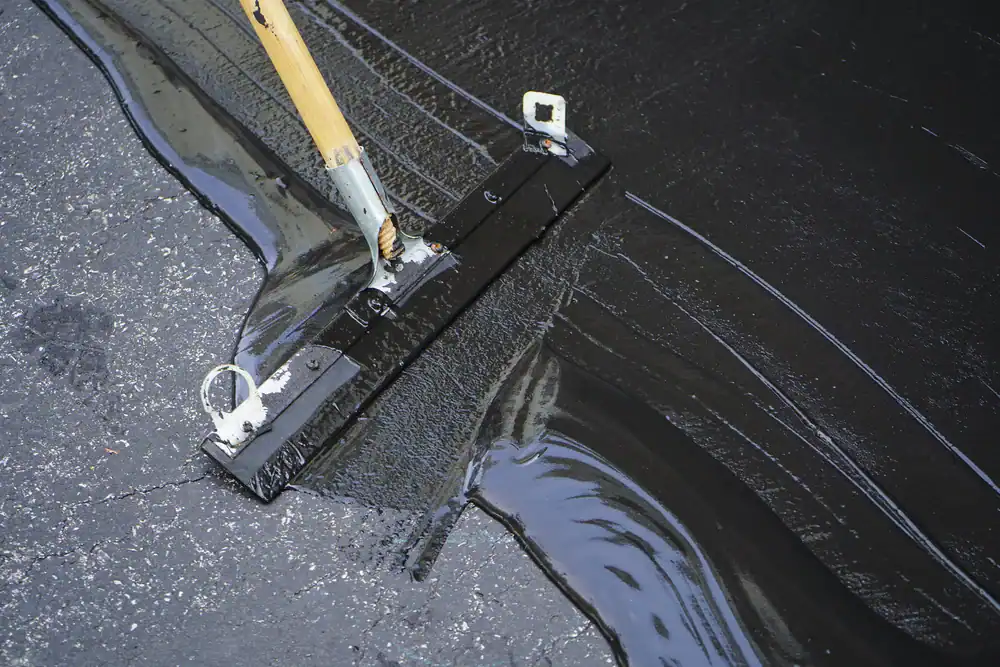
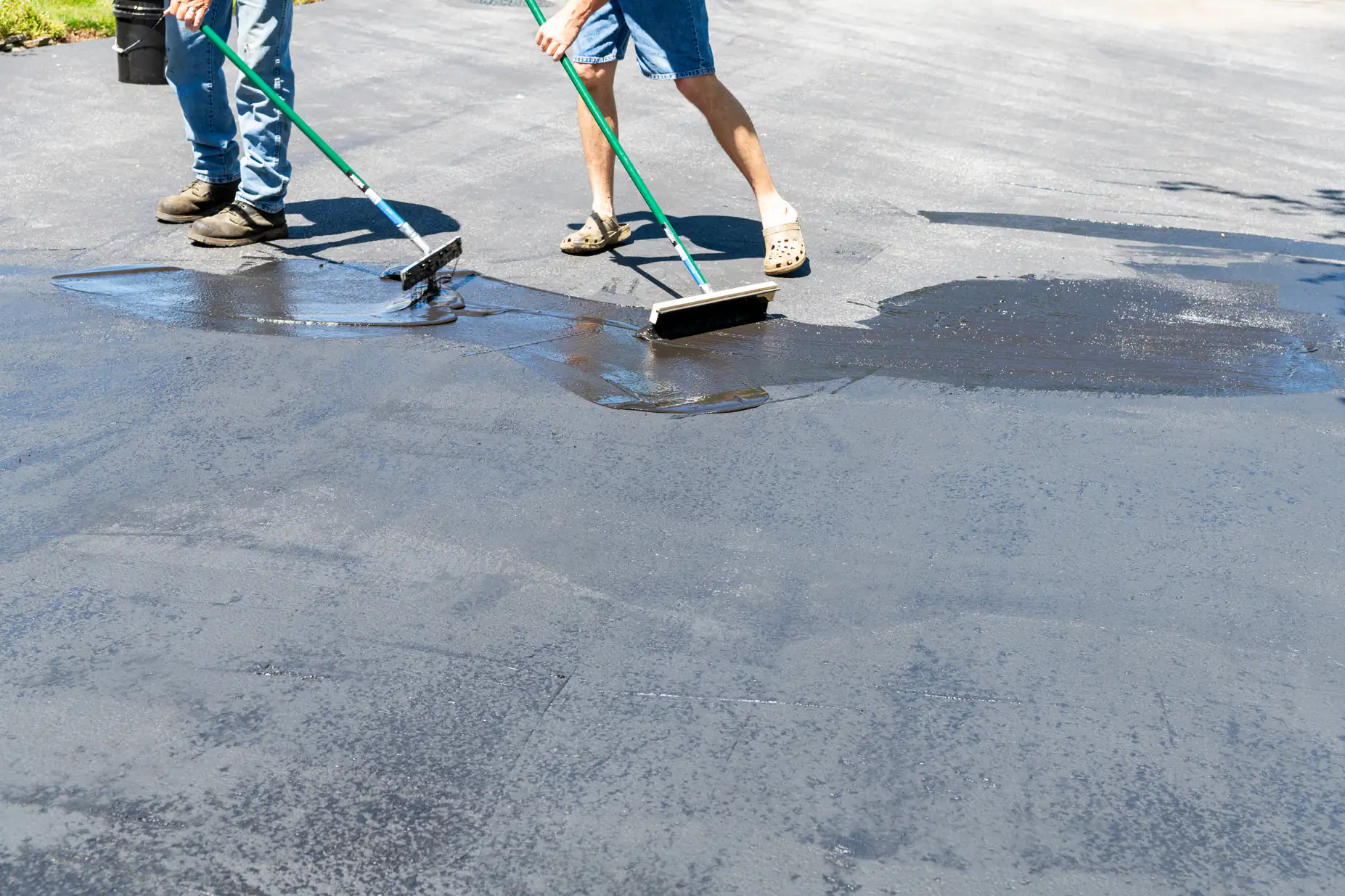
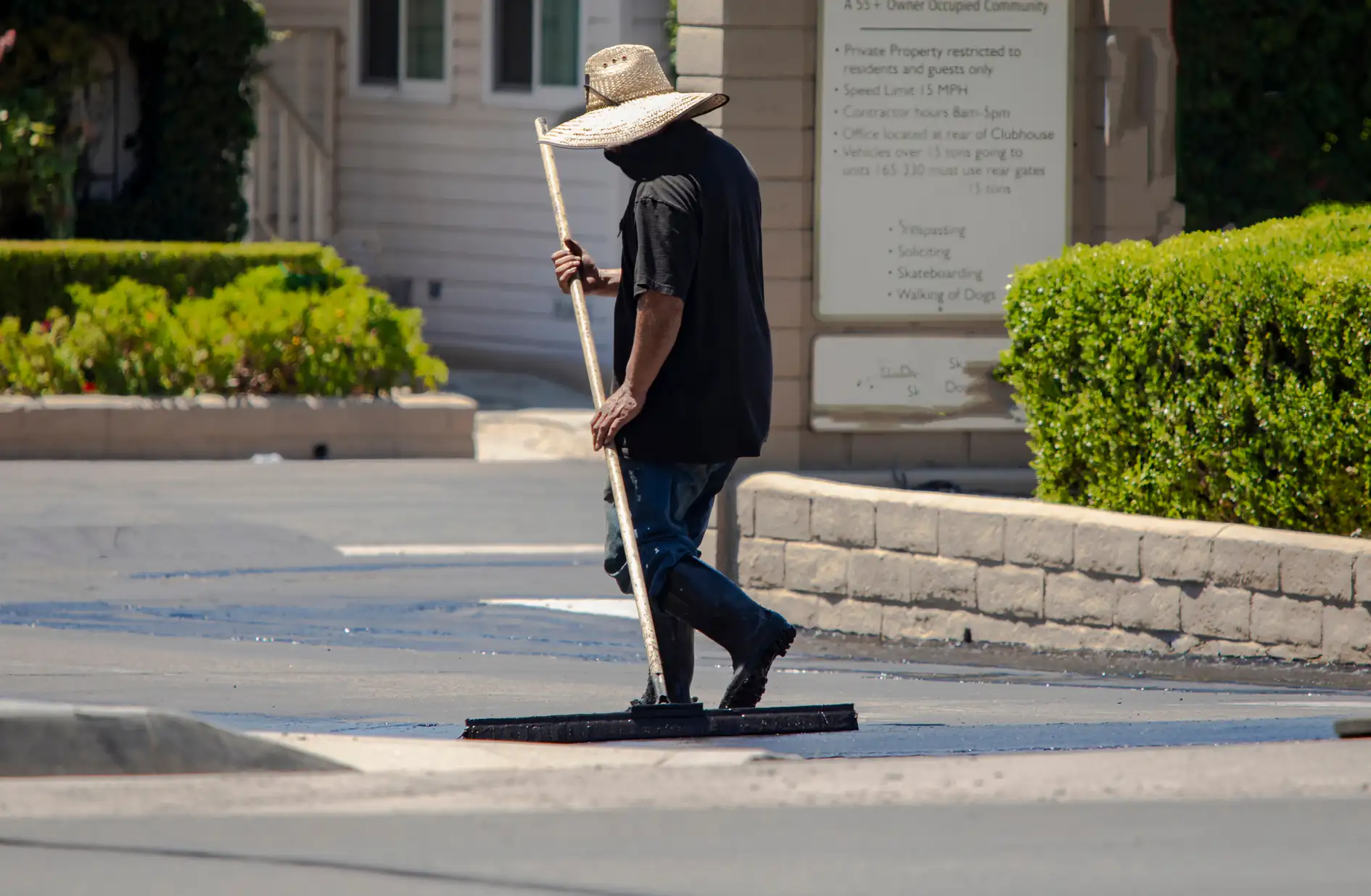
Then we apply commercial-grade sealant—not the consumer products you’ll find at home improvement stores. Professional sealcoating contains additives like sand for traction, latex for flexibility, and UV stabilizers that protect against sun damage. We apply it at the right thickness, in the right conditions, using equipment that ensures even coverage.
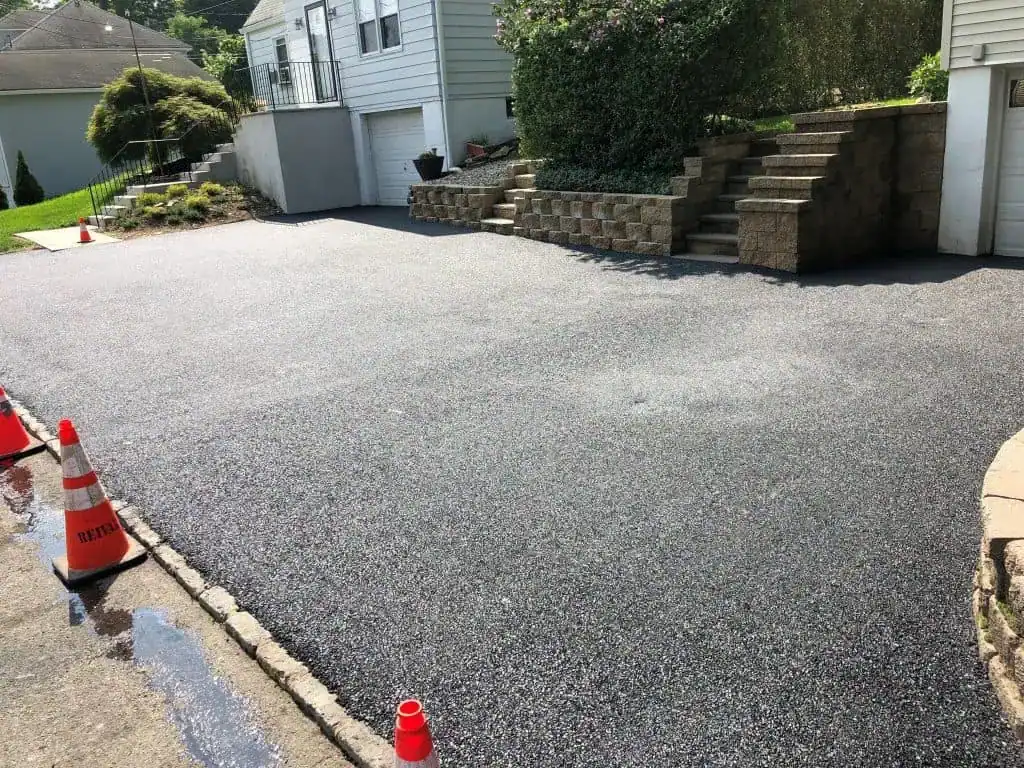
The surface needs 24-48 hours to cure depending on temperature and humidity. After that, your driveway has a protective barrier against water, UV rays, oil spills, and the freeze-thaw cycles that destroy unsealed asphalt.
Ready to get started?
Professional driveway sealcoating in Chester typically runs $150-500 depending on your driveway’s size and condition. That’s not just the cost of materials and labor—you’re paying for expertise that extends your driveway’s life by years.
Fall offers the best window for sealcoating in Morris County. Temperatures between 50-85°F and low humidity create ideal curing conditions. Wait until spring, and you’ve already exposed your driveway to a full winter of damage. Schedule too late in fall, and dropping temperatures prevent proper curing.
The service includes crack repair, thorough surface cleaning, professional-grade sealant application, and proper curing time. We’re using materials you can’t buy at retail—commercial sealants with higher solids content and performance additives that consumer products don’t include.
You’ll also get contractors who understand local conditions. Chester sits at a higher elevation than much of Morris County, which means more temperature swings and more freeze-thaw cycles. We adjust our approach based on your property’s specific exposure, drainage patterns, and the condition of your existing asphalt.
Most importantly, you’re getting work that’s done right the first time. Improper surface prep, wrong weather conditions, or cheap materials turn sealcoating into a waste of money. When it’s done correctly, you’re looking at 3-5 years of protection before the next application.

Professional sealcoating typically lasts 3-5 years in Morris County before you need to reapply. That timeline depends heavily on your driveway’s exposure, how much traffic it gets, and whether you’re dealing with heavy vehicle use or just passenger cars.
Chester’s climate is tougher on driveways than areas south or east. You’re dealing with more freeze-thaw cycles, more snow, and more temperature extremes. A driveway in full sun will also break down faster than one with tree cover, because UV exposure degrades the sealant over time.
You’ll know it’s time to reseal when the surface starts looking faded or gray instead of deep black. If you’re seeing water soak into the asphalt instead of beading up on the surface, the waterproof barrier is compromised. Don’t wait until you see new cracks—by then you’re already behind on maintenance.
Before. Always before. Fall sealcoating is the single most important thing you can do to prevent winter damage in northern New Jersey.
When water gets into cracks and freezes, it expands by 9%. That’s enough force to split rock, and it happens dozens of times each winter in Chester. If your driveway isn’t sealed before the first hard freeze, you’re letting water penetrate deep into the asphalt and foundation layers.
The ideal window is September through mid-October when daytime temperatures are consistently above 50°F and you have at least 48 hours of dry weather in the forecast. Too early and it’s too hot for proper curing. Too late and you risk cold temperatures that prevent the sealant from bonding correctly.
Spring sealcoating is better than nothing, but you’ve already exposed your driveway to a full season of damage. You’re essentially playing catch-up instead of getting ahead of the problem.
We use commercial-grade sealants that aren’t available at retail stores. These products have higher solids content, better additives, and performance characteristics that consumer products can’t match.
The bigger difference is surface preparation. We spend more time cleaning and repairing your driveway than actually applying sealant. Oil stains need specific treatments. Cracks need hot rubberized filler, not the cold-pour products homeowners use. Vegetation and debris have to be completely removed or the sealant won’t bond.
Application technique matters too. We know the right thickness, the right overlap pattern, and how to handle edges and transitions. Too thin and you’re not getting adequate protection. Too thick and you’ll see premature cracking and peeling.
Most DIY sealcoating jobs fail within 12-18 months because of improper prep work or wrong weather conditions during application. You’ll save money upfront, but you’ll be doing it again much sooner—and possibly dealing with damage that could have been prevented.
Concrete driveways need a completely different type of sealer than asphalt. The products and processes aren’t interchangeable.
Concrete sealers are typically penetrating sealers or topical coatings designed to protect against moisture, deicing salts, and surface staining. They don’t create the same thick protective layer that asphalt sealcoating does. The goal is to fill the porous surface of concrete and prevent water infiltration without changing the appearance dramatically.
If you have a concrete driveway in Chester, you’re still dealing with freeze-thaw damage, but the failure pattern looks different. Concrete tends to spall and flake at the surface rather than crack from the inside out like asphalt. Sealing helps, but proper installation with adequate reinforcement and control joints matters more for long-term durability.
We handle both asphalt sealcoating and concrete sealing, but the approach, materials, and maintenance schedule are different for each. When you call for a quote, we’ll assess what you have and recommend the right protection for your specific driveway.
Most residential driveways in Chester run between $150-500 for professional sealcoating. The range depends on square footage, current condition, and how much crack repair is needed before we can seal.
A standard two-car driveway around 600 square feet typically costs $250-350. Larger driveways, circular drives, or properties with extensive cracking will cost more. If your driveway needs significant repairs—deep cracks, potholes, or edge damage—that work gets priced separately because it’s structural repair, not maintenance.
Compare that to replacement costs. Repaving a driveway in Morris County runs $3,000-7,000 or more depending on size and site conditions. A properly maintained driveway with regular sealcoating can last 20-30 years. Skip the maintenance and you’re looking at replacement in 10-15 years.
The math works out to spending a few hundred dollars every 3-5 years to avoid spending several thousand dollars on premature replacement. Most homeowners in Chester who stay on top of sealcoating never need to repave—they just maintain what they have.
Your driveway will fail faster, cost more to maintain, and need replacement years earlier than it should. Unsealed asphalt is directly exposed to UV rays, water, oil, and freeze-thaw cycles—all of which break down the binder that holds the aggregate together.
You’ll notice the surface turning gray and brittle within a few years. Small cracks appear and spread. Water seeps through those cracks into the foundation layers, where it causes the real damage. Once the foundation is compromised, you’re not looking at crack repair anymore—you’re looking at excavation and reconstruction.
In Chester’s climate, an unsealed driveway might last 10-15 years before it needs replacement. A properly sealed and maintained driveway can last 20-30 years. The difference is whether you’re spending $300 every few years on prevention, or $5,000-7,000 on replacement when the foundation fails.
Most homeowners don’t realize how much damage happens during a single winter until they see the results in spring. By then, what could have been prevented with fall sealcoating becomes a repair bill that’s 10-15 times higher.