
Hear from Our Customers
Water gets into cracks. It freezes. It expands by 9%, pushing your driveway apart from the inside with thousands of pounds of pressure per square inch. One freeze-thaw cycle becomes ten, and by spring, you’re looking at damage that could’ve been prevented for a fraction of the cost.
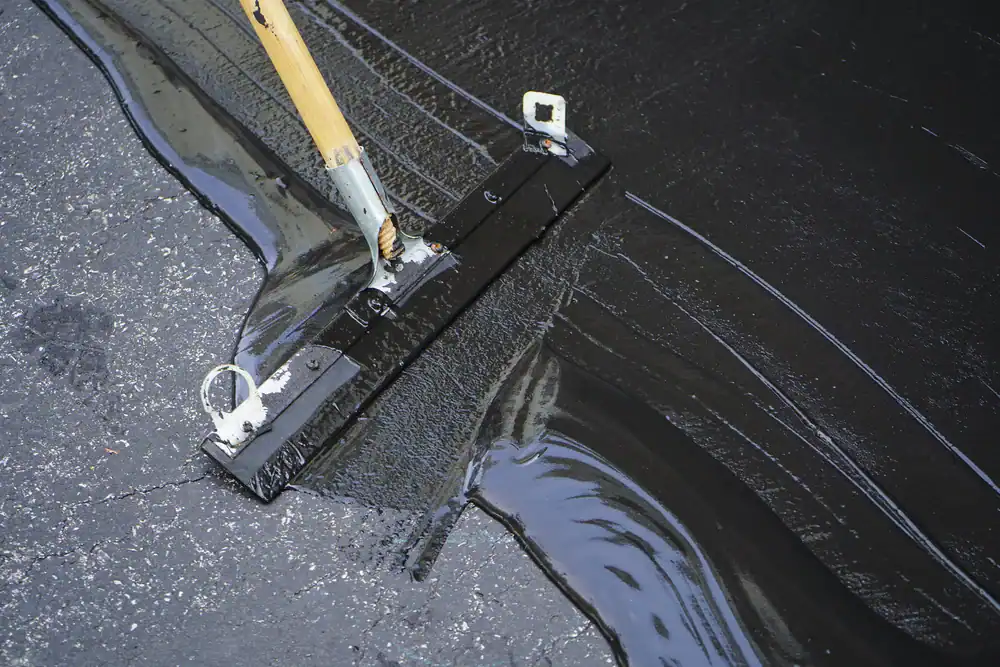
Sealcoating stops that cycle before it starts. It creates a waterproof barrier that sheds water instead of absorbing it, blocking the infiltration that leads to cracking, crumbling, and costly repairs.
Morris County sees 40% more freeze-thaw cycles than Central or South Jersey. That means your driveway takes more punishment every winter than driveways just miles away. Professional sealcoating gives you a protective layer that lasts 3-4 years, extending your driveway’s life well past 30 years instead of replacing it at 15.
The dark, smooth finish also absorbs more solar energy, helping snow and ice melt faster. Less standing water means fewer freeze-thaw events. It’s protection that compounds over time.
We serve Morris, Sussex, and Somerset Counties with professional asphalt and concrete services. We’re BBB accredited and trusted by over 75 customers who’ve left real reviews about real work.
We’re grounded in Morris County, so we know what North New Jersey weather does to driveways. We’ve seen what happens when sealcoating gets skipped, and we’ve seen how much money proper maintenance saves over time.
When you request a quote online, you get a callback within 24-48 hours. No runaround. No disappearing after the estimate. Clear upfront pricing, no surprise charges, and work that gets scheduled and completed when we say it will. Only 23% of people say the construction industry is trustworthy—we’re here to be part of that 23%.
First, we clean the surface. Dirt, debris, oil stains—anything that would prevent the sealer from bonding properly gets removed. This step matters more than most homeowners realize. Sealer applied over a dirty surface won’t last.
Next, we fill cracks. Small cracks get sealed with crack filler to prevent water infiltration before we apply the topcoat. If there’s structural damage or large sections that need repair, we’ll tell you upfront. Sealcoating protects good asphalt—it doesn’t fix bad asphalt.
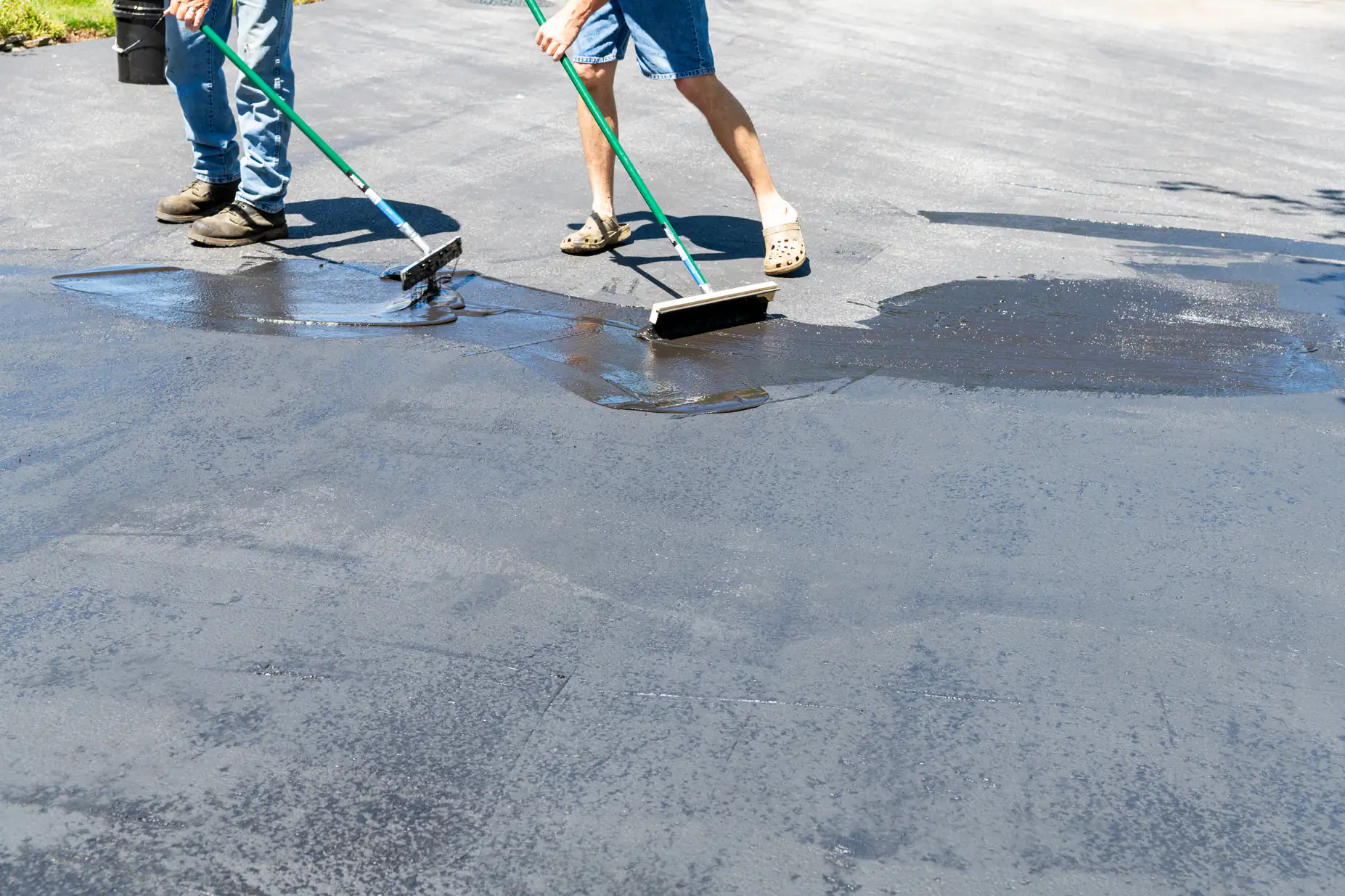
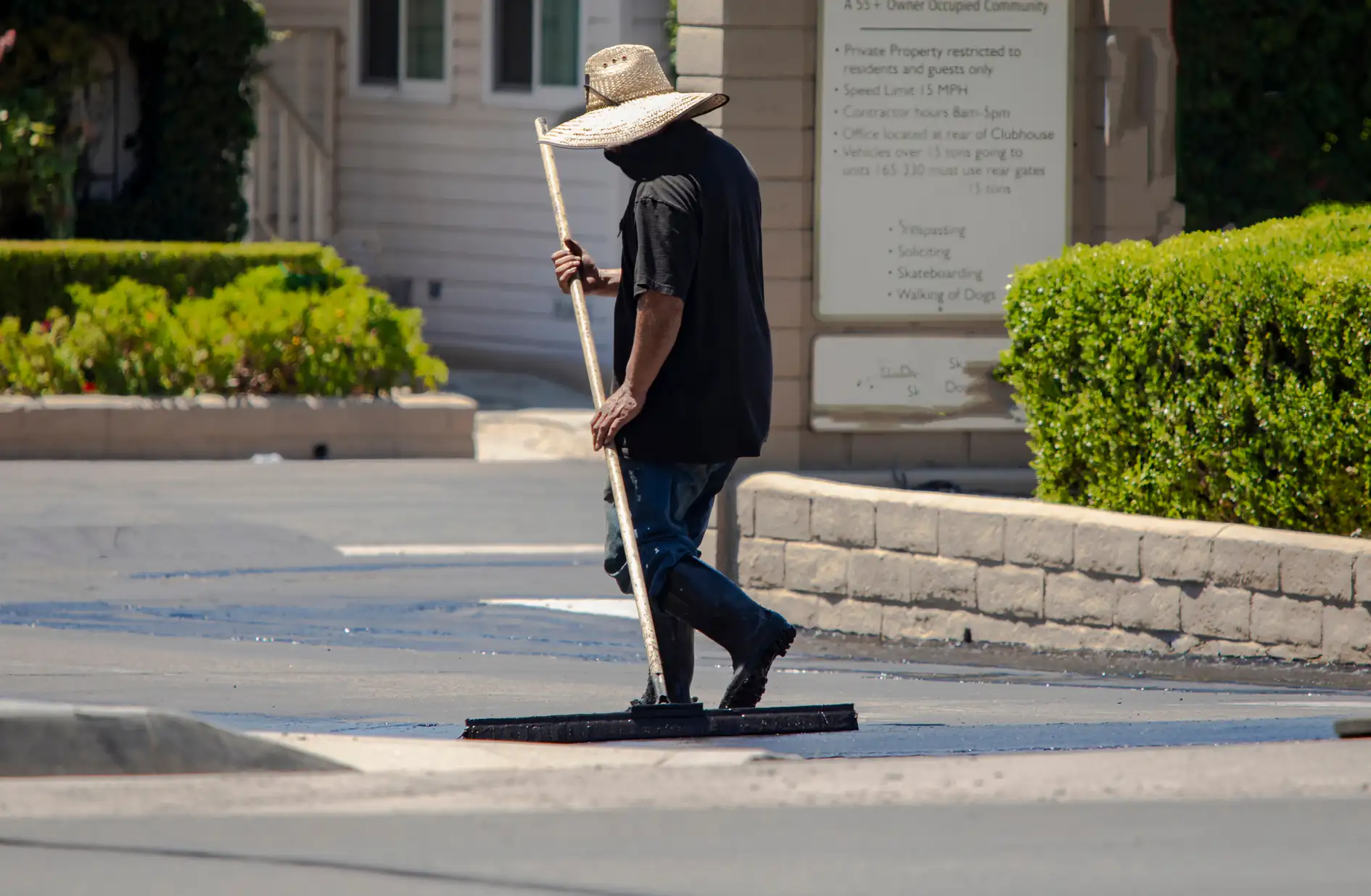
Then we apply two coats of commercial-grade sealer. Most residential jobs only get one coat, which lasts 1-2 years. Two coats create a thicker protective layer that holds up to New Jersey’s freeze-thaw cycles for 3-4 years. The sealer needs 24-48 hours of dry conditions to cure properly, which is why fall is the ideal window.
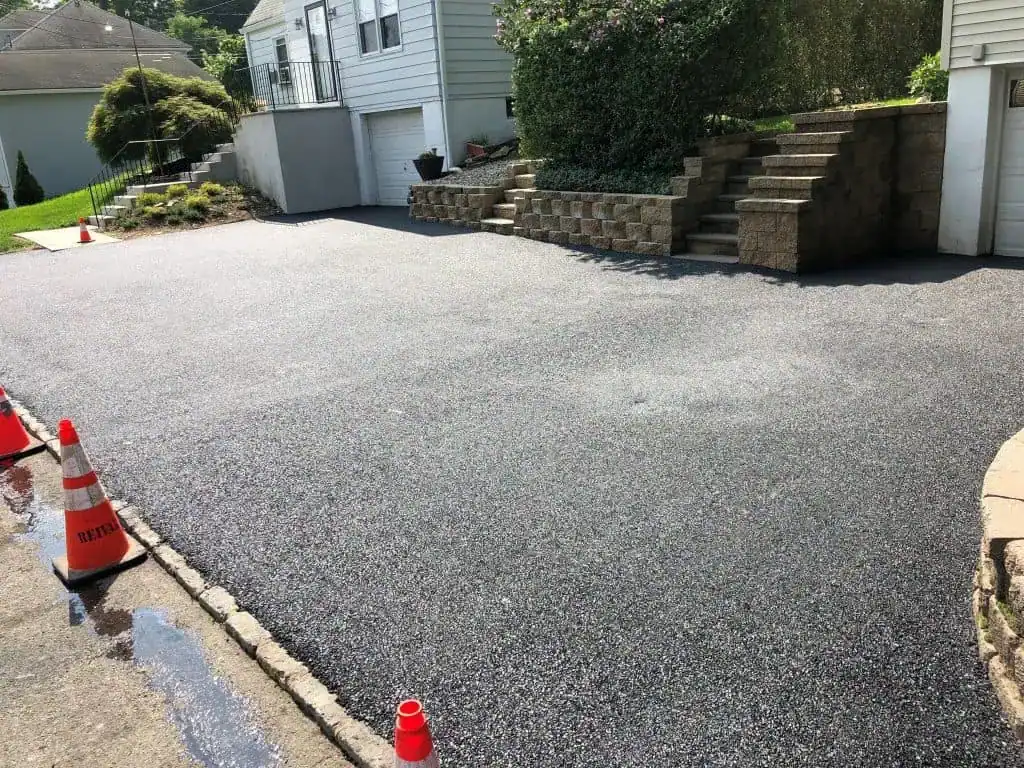
After application, your driveway needs to cure for at least 24 hours before light foot traffic and 48-72 hours before vehicles. We’ll give you specific instructions based on weather conditions. The result is a smooth, matte black finish that looks sharp and performs even better.
Ready to get started?
Every sealcoating job includes surface cleaning, crack filling for minor cracks, and a two-coat application using commercial-grade sealer with UV inhibitors. That UV protection matters—UV rays cause oxidation that makes asphalt brittle and prone to cracking. The sealer blocks that damage while creating a waterproof barrier.
We also inspect your driveway before we start. If there’s underlying damage that sealcoating won’t fix, we’ll tell you. We’re not here to sell you a service that won’t solve your problem. If your driveway needs repair work first, we’ll explain what’s needed and why.
Brookside sits in Morris County, where winter temperatures can swing from 45 degrees and raining to 15 degrees with snow in a matter of hours. That’s the kind of climate that accelerates pavement damage. Our two-coat application is designed specifically for these conditions—thicker protection that lasts longer than the standard one-coat jobs you’ll see advertised.
The cost of professional sealcoating runs $150-$500 for most residential driveways in New Jersey. Prices here run 15-20% above national averages due to higher labor costs and the extra wear our climate puts on asphalt. But compare that to $6-$8 per square foot for driveway replacement, and you’re looking at 2,143% more value for preventative maintenance. It’s not even close.

Fall is the optimal window for driveway sealcoating in New Jersey. You need moderate temperatures—ideally between 50-85 degrees—and at least 24-48 hours of dry conditions for the sealer to cure properly.
Spring brings everyone out wanting repairs, but by then you’re dealing with damage instead of preventing it. Summer works, but you’re racing against heat that can make application tricky. Fall gives you ideal weather conditions plus maximum curing time before winter hits.
The real benefit is timing the protection before freeze-thaw cycles start. Sealcoating in October means your driveway has a waterproof barrier in place before the first hard freeze. Water can’t infiltrate what it can’t penetrate, and that’s the difference between a driveway that survives winter and one that becomes a spring repair project.
Quality sealcoating lasts 3-4 years on residential driveways in Morris County with proper two-coat application. Single-coat jobs typically last 1-2 years, which is why we recommend the thicker protection for North New Jersey’s climate.
Morris County experiences significantly more freeze-thaw cycles than other parts of the state. That accelerated wear means your sealcoating takes more punishment than driveways in milder climates. A two-coat application creates a thicker protective layer that holds up better to repeated freeze-thaw events.
After 3-4 years, you’ll notice the surface starting to fade from black to gray. That’s oxidation, and it’s your signal that the protective layer is wearing thin. Resealing at that point—before cracks develop—keeps your driveway in the preventative maintenance cycle instead of the repair cycle. Studies show that crack sealing and preventative maintenance extend asphalt life by 10-15 years.
Most residential driveways in Brookside run $150-$500 for professional sealcoating, depending on size and condition. New Jersey prices typically run 15-20% above national averages due to higher labor costs and the heavy freeze-thaw wear our climate puts on asphalt.
That cost includes surface cleaning, crack filling for minor cracks, and a two-coat application with commercial-grade sealer. If your driveway needs significant crack repair or patching before sealcoating, that’s additional work that gets priced separately.
Compare that to driveway replacement at $6-$8 per square foot. A standard two-car driveway is roughly 600 square feet, which means replacement costs $3,600-$4,800. Sealcoating every 3-4 years for $300 means you’re spending $900-$1,200 over 12 years to avoid a $4,000+ replacement. The math isn’t complicated—preventative maintenance delivers nearly 2,143% more value than waiting until you need a new driveway.
You can buy sealer at any home improvement store, but professional application delivers results that last 2-3 times longer. The difference comes down to surface prep, material quality, and application technique.
DIY sealcoating often skips proper cleaning and crack filling. If the surface isn’t clean, the sealer won’t bond correctly. If cracks aren’t filled first, water still infiltrates underneath the topcoat. Most homeowners also apply sealer too thin, trying to stretch the material to save money. That creates a weak protective layer that wears off quickly.
We use commercial-grade sealer with higher solids content and UV inhibitors. We clean the surface properly, fill cracks before sealing, and apply two coats at the right thickness. The equipment we use—commercial sprayers and squeegees—creates an even application that cures uniformly. The result is protection that lasts 3-4 years instead of 1-2, which means fewer applications over your driveway’s lifetime and better long-term value.
Sealcoating protects good asphalt—it doesn’t fix structural damage. If your driveway has small cracks, minor surface wear, or fading color, sealcoating is the right move. If you’ve got large cracks, potholes, or sections that are crumbling, you need repair work first.
Here’s the test: if water is already getting underneath the surface and causing the base to shift, sealcoating won’t solve that problem. You’ll see signs like wide cracks (more than a quarter-inch), areas where the asphalt is breaking apart, or sections that have sunk or heaved. That’s structural failure, and it requires patching or resurfacing before you seal.
We inspect every driveway before we quote sealcoating. If repair work is needed, we’ll explain what’s failing and why. Some contractors will seal over damage because it’s easier than having the honest conversation. We’d rather tell you what you actually need than sell you a service that won’t last. If your driveway is in good shape with minor wear, sealcoating adds years of life. If it’s already failing, repair work comes first.
Yes. We serve Morris, Sussex, and Somerset Counties, which includes Brookside, Parsippany, Morristown, Dover, Madison, Florham Park, Somerville, Hopatcong, and dozens of surrounding towns throughout North New Jersey.
Our service area covers the region that experiences the most severe freeze-thaw cycles in the state. Morris County, Essex County, Passaic County, and surrounding areas all deal with the same climate challenges—dramatic temperature swings, heavy winter precipitation, and repeated freeze-thaw events that accelerate pavement damage.
When you request a quote online, we guarantee a callback within 24-48 hours. We’ll schedule a site visit, assess your driveway’s condition, and provide clear upfront pricing with no surprise charges. If you’re in our service area and your driveway needs sealcoating before winter, we’ll get you on the schedule while weather conditions are still ideal.