
Hear from Our Customers
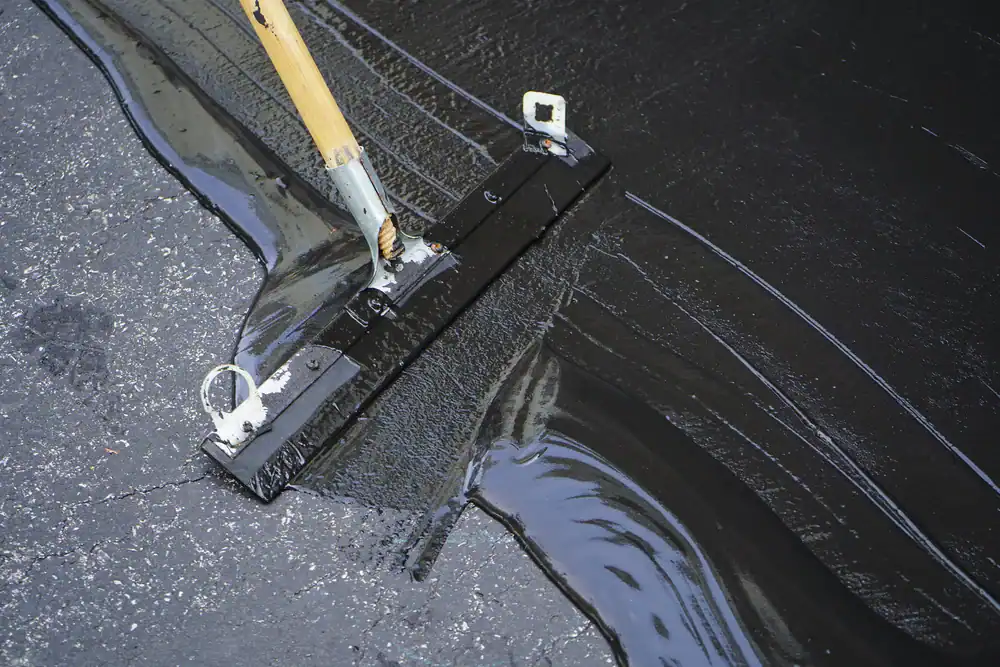
When you sealcoat your driveway, you’re not just making it look better. You’re blocking water from seeping into cracks, freezing, and tearing your asphalt apart from the inside. That’s what happens every winter in Bound Brook when temperatures swing through 55 to 75 freeze-thaw cycles.
Without protection, those small cracks turn into potholes. Water reaches the foundation layer. What started as a $300 sealcoating job becomes a $3,000 repair—or worse, a full replacement running $6 to $8 per square foot.
Sealcoating creates a waterproof barrier that keeps moisture out, protects against UV damage, and shields your asphalt from road salt and chemicals. Most residential driveways stay protected for 3 to 4 years with two coats of quality sealer. That means you’re spending pennies on the dollar compared to replacement, and you’re adding years to your driveway’s lifespan—often pushing it past 30 years instead of the typical 25.
We work throughout Morris, Somerset, and Sussex County. We understand the soil conditions in Bound Brook, the drainage challenges that come with this area, and exactly how winter weather affects asphalt here.
We use high-grade materials applied at the right temperature, and we don’t cut corners on surface prep. Our crews know that sealcoating only works when the driveway is clean, dry, and properly repaired first. That’s why we inspect every surface, fill cracks, patch potholes, and make sure the sealer bonds correctly.
You’ll get clear pricing upfront, no surprise charges, and a 24 to 48 hour callback when you request a quote. We show up when we say we will, and we finish on schedule.
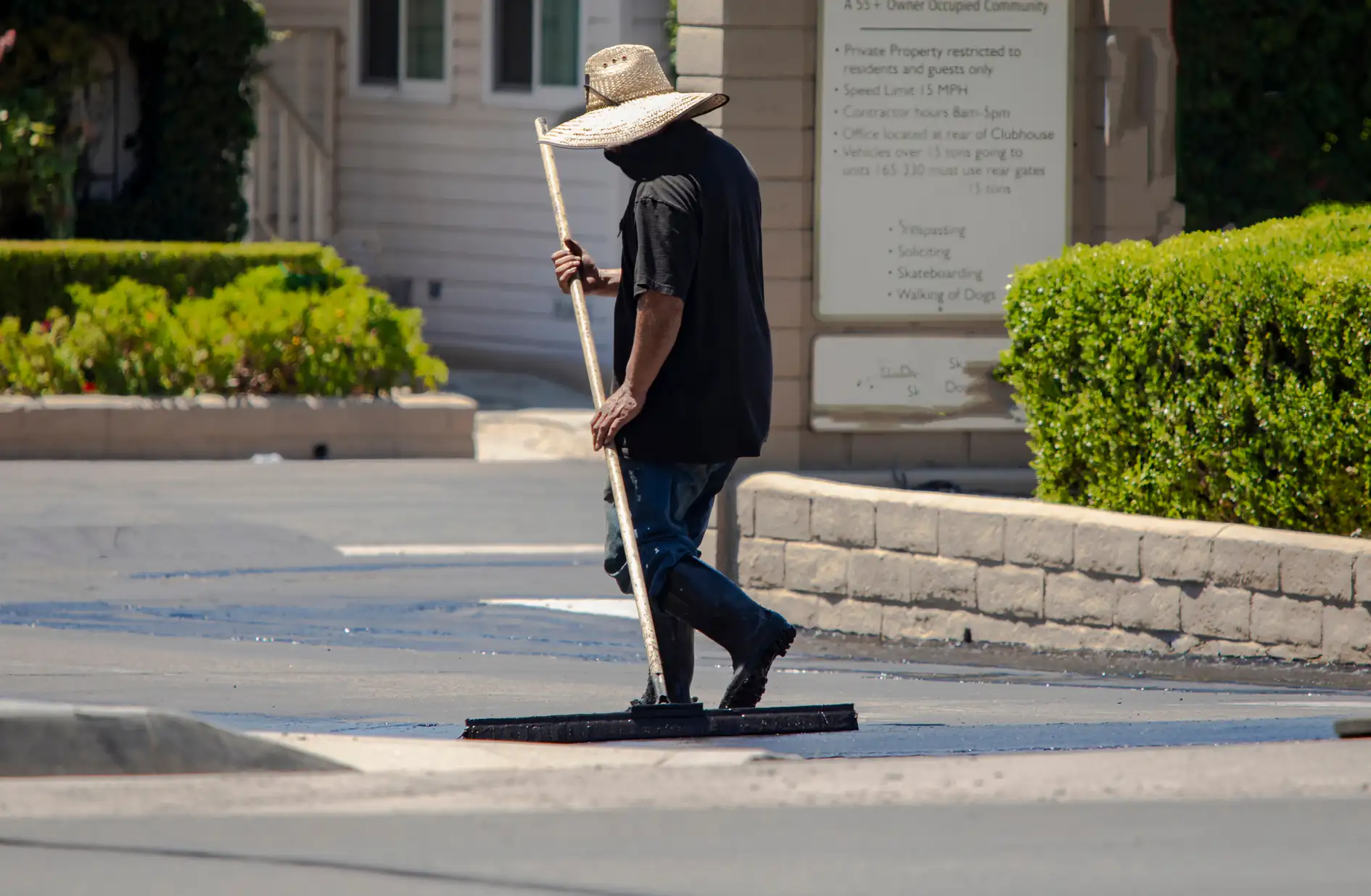
First, we clean your driveway completely. Debris, dirt, oil stains—anything that would prevent the sealer from bonding gets removed. This step matters more than most homeowners realize. If the surface isn’t clean, the sealer won’t stick, and you’ll see peeling within months.
Next, we repair any damage. Cracks get filled with rubberized crack filler that flexes with temperature changes. Potholes get patched with hot mix asphalt. We’re not sealing over problems—we’re fixing them first so the sealcoating actually protects your driveway.
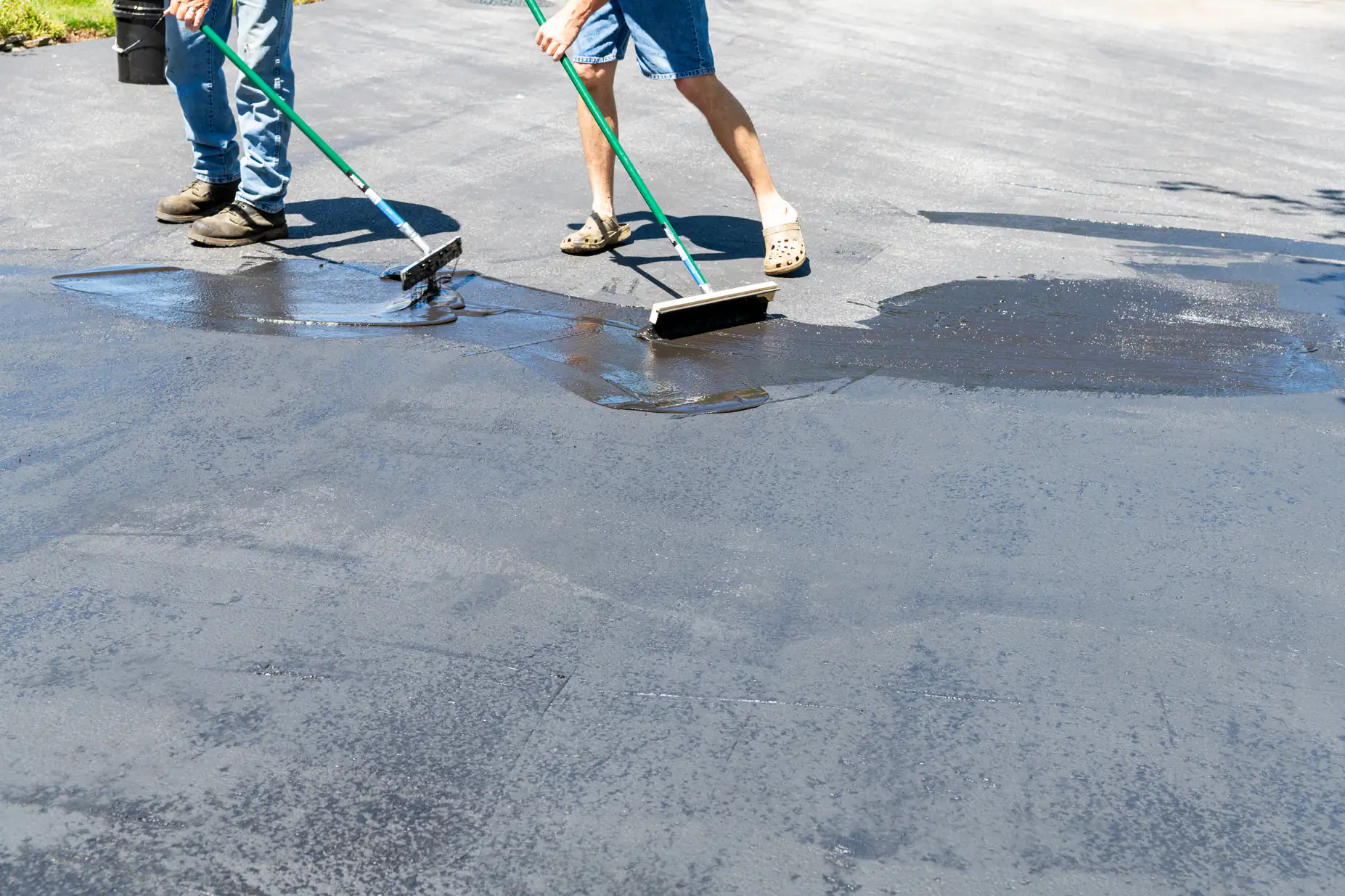
Then we apply two coats of commercial-grade sealer using professional equipment. Our hydraulically agitated tanks keep the material mixed evenly, so you get consistent coverage across the entire surface. The sealer needs 24 to 48 hours to cure, depending on temperature and humidity. After that, your driveway is protected and ready for traffic.
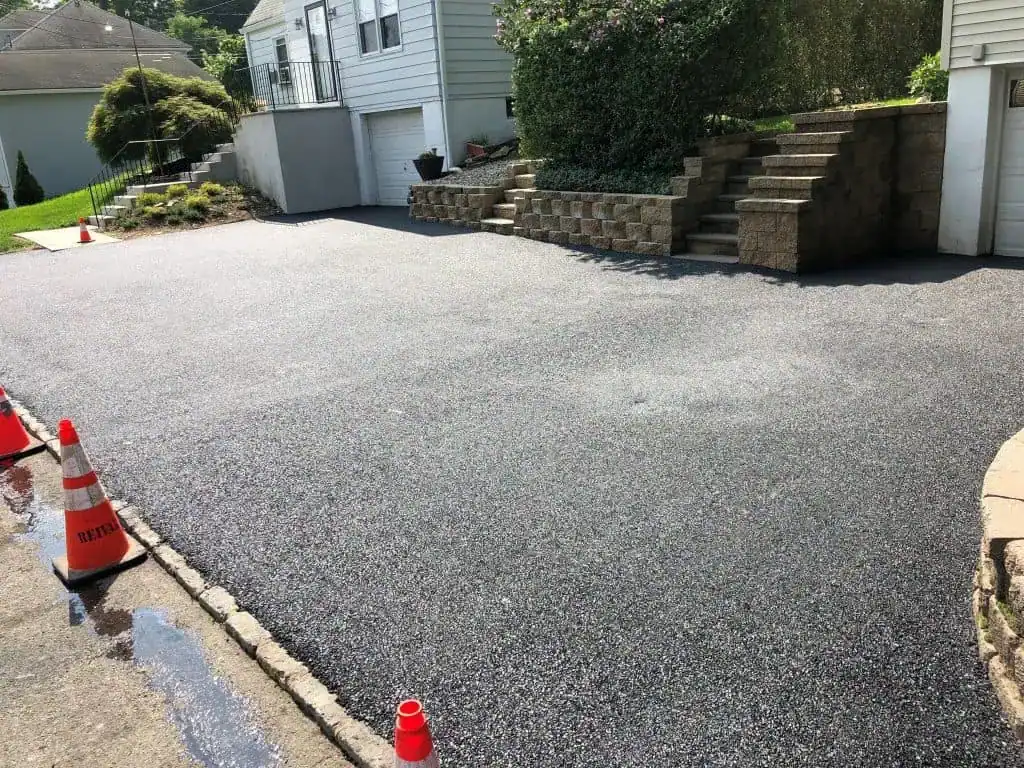
Ready to get started?
Driveway sealcoating in New Jersey typically costs $0.15 to $0.40 per square foot. Most residential driveways in Bound Brook run between $150 and $500, depending on size and condition. That’s roughly 15 to 20 percent above the national average, and there’s a reason: labor costs are higher here, and the freeze-thaw wear is more severe.
You’re paying for materials that can handle Morris County winters. Cheap sealer might cost less upfront, but it wears off faster, peels in cold weather, and leaves your driveway exposed. Quality sealer with proper additives lasts 3 to 4 years and actually protects your asphalt.
You’re also paying for proper application. Professional crews use equipment that keeps the sealer mixed and applies it evenly. DIY sealcoating often results in thin spots, missed edges, and premature failure. When you hire a professional, you’re getting coverage that actually works—and a driveway that doesn’t need emergency repairs two winters later.
Fall is the best time to sealcoat in New Jersey. Temperatures are mild, humidity is lower, and you’re protecting your driveway before winter hits. Spring works too, but you’re repairing damage instead of preventing it.

Professional sealcoating with two coats of quality sealer lasts 3 to 4 years on residential driveways in New Jersey. That timeline assumes normal traffic, proper application, and the kind of freeze-thaw cycles we see in Bound Brook and Somerset County.
The sealer wears down gradually from traffic, UV exposure, and weather. You’ll notice the surface starting to fade from deep black to gray, and that’s your signal to reseal. Waiting too long means water starts penetrating the asphalt again, and you lose the protection you paid for.
Some contractors offer one-year warranties. We offer a two-year guarantee against peeling, flaking, or premature wear. That difference tells you something about the materials and application process we’re using.
You can, but you shouldn’t—not without repairing the damage first. Sealcoating isn’t a repair product. It’s a protective coating that works on structurally sound asphalt. If you seal over cracks and potholes, you’re just hiding problems that will get worse.
Cracks need to be filled with rubberized crack filler before sealcoating. This filler flexes with temperature changes and prevents water from reaching the base layer. Potholes need to be patched with hot mix asphalt, compacted properly, and allowed to cure before sealing.
We inspect your surface first and recommend repairs before we sealcoat. If someone offers to sealcoat without mentioning your cracks, they’re either inexperienced or cutting corners. Either way, you’ll end up with a driveway that looks good for a few months and then fails.
Sealcoating applies a protective layer on top of existing asphalt. It’s preventive maintenance that costs $150 to $500 for most driveways. Resurfacing removes the top layer of damaged asphalt and replaces it with new material. That’s a repair that costs thousands of dollars.
You sealcoat when your driveway is in good condition but needs protection from weather, UV rays, and chemicals. You resurface when the surface is too damaged to save with sealcoating—widespread cracking, deep potholes, or structural failure in the base layer.
Most driveways need sealcoating every 3 to 4 years. If you skip it, you’ll eventually need resurfacing or full replacement. That’s why sealcoating is called preventive maintenance—it stops small problems from becoming expensive ones.
Fall is ideal for driveway sealcoating in Bound Brook and throughout Morris County. Temperatures are consistently above 50°F, humidity is lower, and you’re protecting your driveway before winter freeze-thaw cycles start. Late spring and summer work too, as long as it’s not too hot or humid.
Sealer needs at least 24 to 48 hours to cure, and that requires dry weather with temperatures above 50°F. If it rains during curing, the sealer can wash away or cure improperly. If it’s too cold, the sealer won’t bond to the asphalt.
Winter sealcoating doesn’t work in New Jersey. Temperatures drop too low, and the sealer won’t cure. If your driveway has damage during winter, you can use cold-patch asphalt as a temporary fix, but permanent repairs and sealcoating need to wait until spring.
Hiring a professional almost always costs less in the long run. DIY sealcoating seems cheaper upfront—you’ll spend $100 to $200 on materials from a hardware store. But without professional equipment, proper surface prep, and experience, you’ll likely end up with thin coverage, missed spots, and sealer that fails early.
We use hydraulically agitated tanks that keep the sealer mixed evenly. We have pressure washers that actually clean the surface, not just rinse it. We know how to fill cracks properly, apply two coats at the right thickness, and avoid common mistakes that cause peeling and premature wear.
When DIY sealcoating fails after one winter, you’re paying for professional application anyway—plus you’ve wasted time and money on materials that didn’t work. Most homeowners who try it once hire us the second time.
Yes. Sealcoating blocks water from penetrating your asphalt, and water is what destroys driveways in New Jersey. When water seeps into small cracks, freezes, and expands, it tears the asphalt apart. That’s how you go from hairline cracks to potholes in one winter.
Most asphalt driveways last about 25 years without maintenance. Regular sealcoating every 3 to 4 years can push that past 30 years. You’re essentially adding a waterproof barrier that protects against freeze-thaw damage, UV rays, oil stains, and road salt.
The cost difference is significant. Sealcoating costs $0.15 to $0.40 per square foot. Replacement costs $6 to $8 per square foot. If sealcoating adds even five years to your driveway’s life, you’re saving thousands of dollars in replacement costs.