
Hear from Our Customers
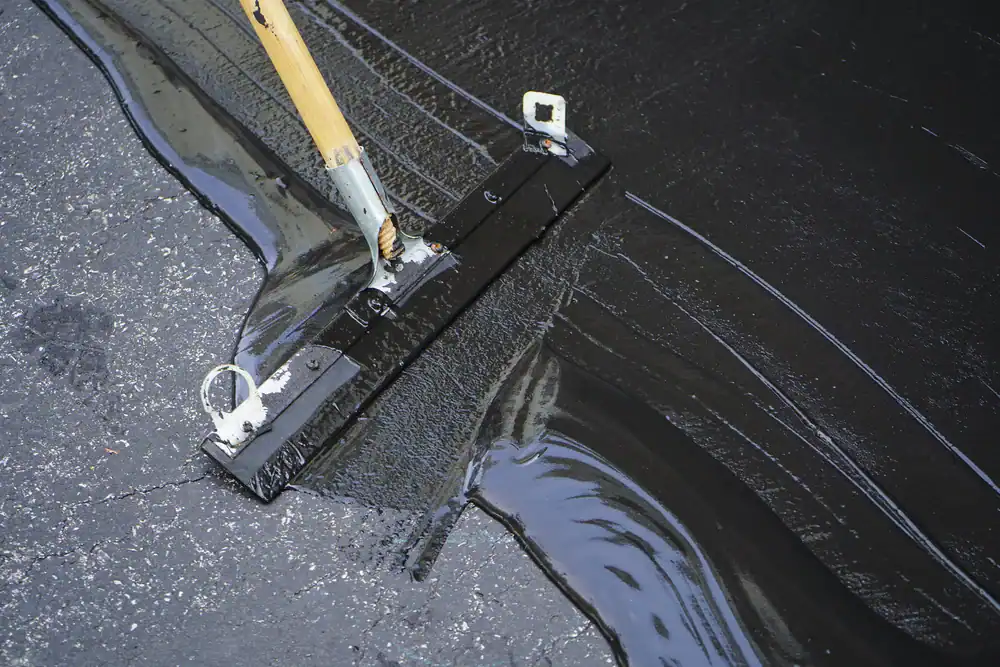
Water gets into those small cracks. When temperatures drop, it freezes and expands by 9%. That crack you ignored last spring? It’s now three times wider, and it’s letting more water in for the next freeze.
Every winter without protection makes the damage exponentially worse. You’re not just looking at cosmetic issues—you’re watching your investment deteriorate in real time.
Sealcoating creates a waterproof barrier that keeps moisture out before it can freeze. It also protects against UV rays that make asphalt brittle, road salt that eats away at the surface, and oil spills that break down the binder holding everything together. You get years added to your driveway’s lifespan, a fresh black finish that makes your property look maintained, and you avoid the $6-$8 per square foot cost of tearing out and replacing the whole thing.
Most driveways in Basking Ridge run between $150-$500 to seal. Replacement? You’re looking at $3,000 to $7,000 or more. That’s not a tough decision when you break it down.
We’re a third-generation, family-owned contractor based in Morris County. We’ve been working in Basking Ridge and the surrounding areas for over two decades, so we know exactly what your driveway is up against.
North-Central New Jersey has some of the harshest conditions for asphalt. Temperature swings, heavy snow, road salt, freeze-thaw cycles that repeat dozens of times each winter—it all adds up. We’ve seen what works and what doesn’t, and we only use methods and materials that hold up in this climate.
You’ll get a callback within 24 to 48 hours when you request a quote online. Pricing is clear and upfront. No surprises, no pressure, no runaround. Just honest communication about what your driveway needs and what it’ll cost.
First, we assess the condition of your asphalt. If there are cracks wider than a quarter-inch, we fill them before sealing. Sealcoat won’t fix structural damage—it prevents it. So if repairs are needed, we handle those first.
Next, we clean the surface. Any dirt, oil, or debris has to come off or the sealant won’t bond properly. We’re not just spraying over a dirty driveway and calling it done.
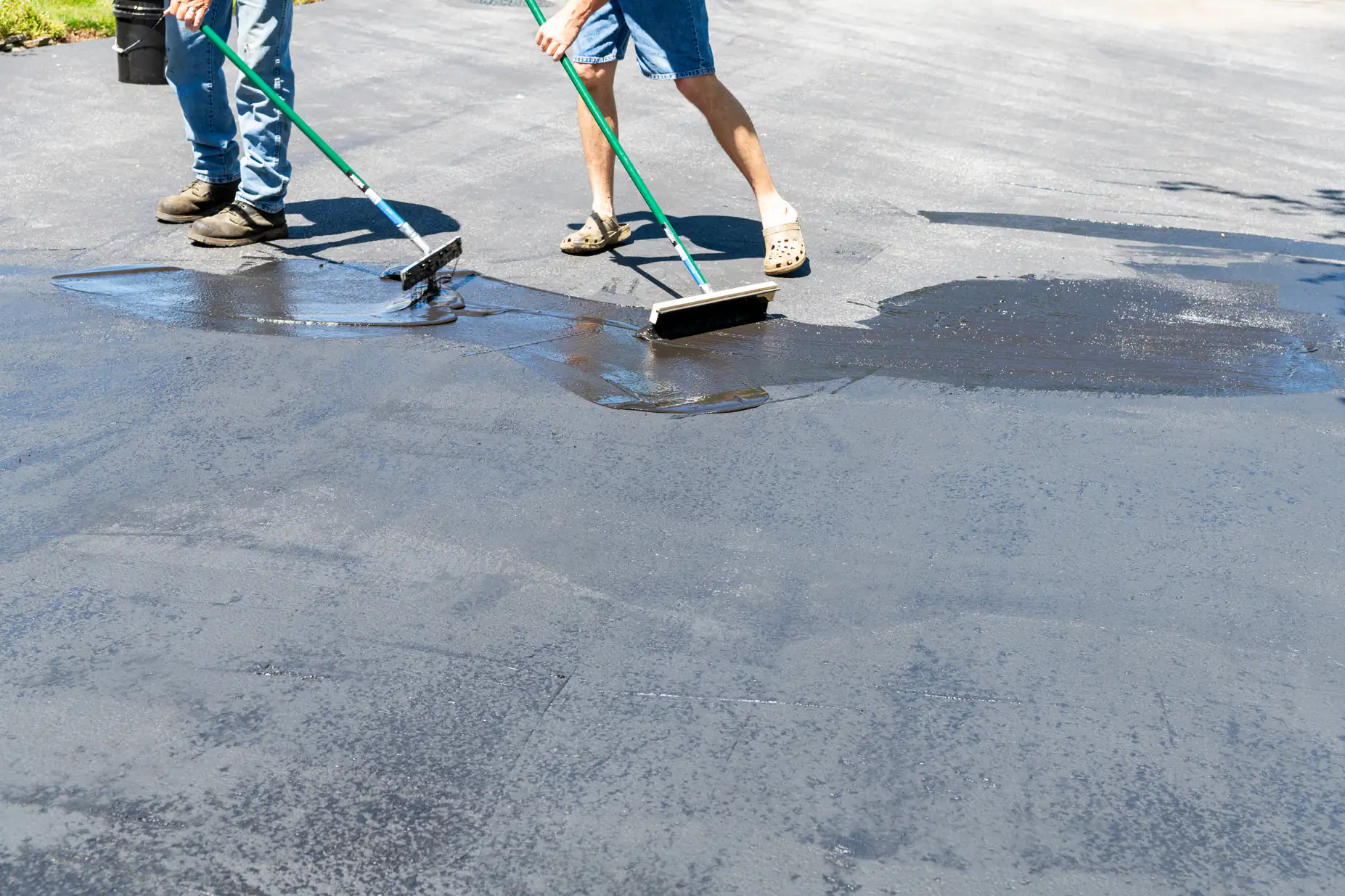
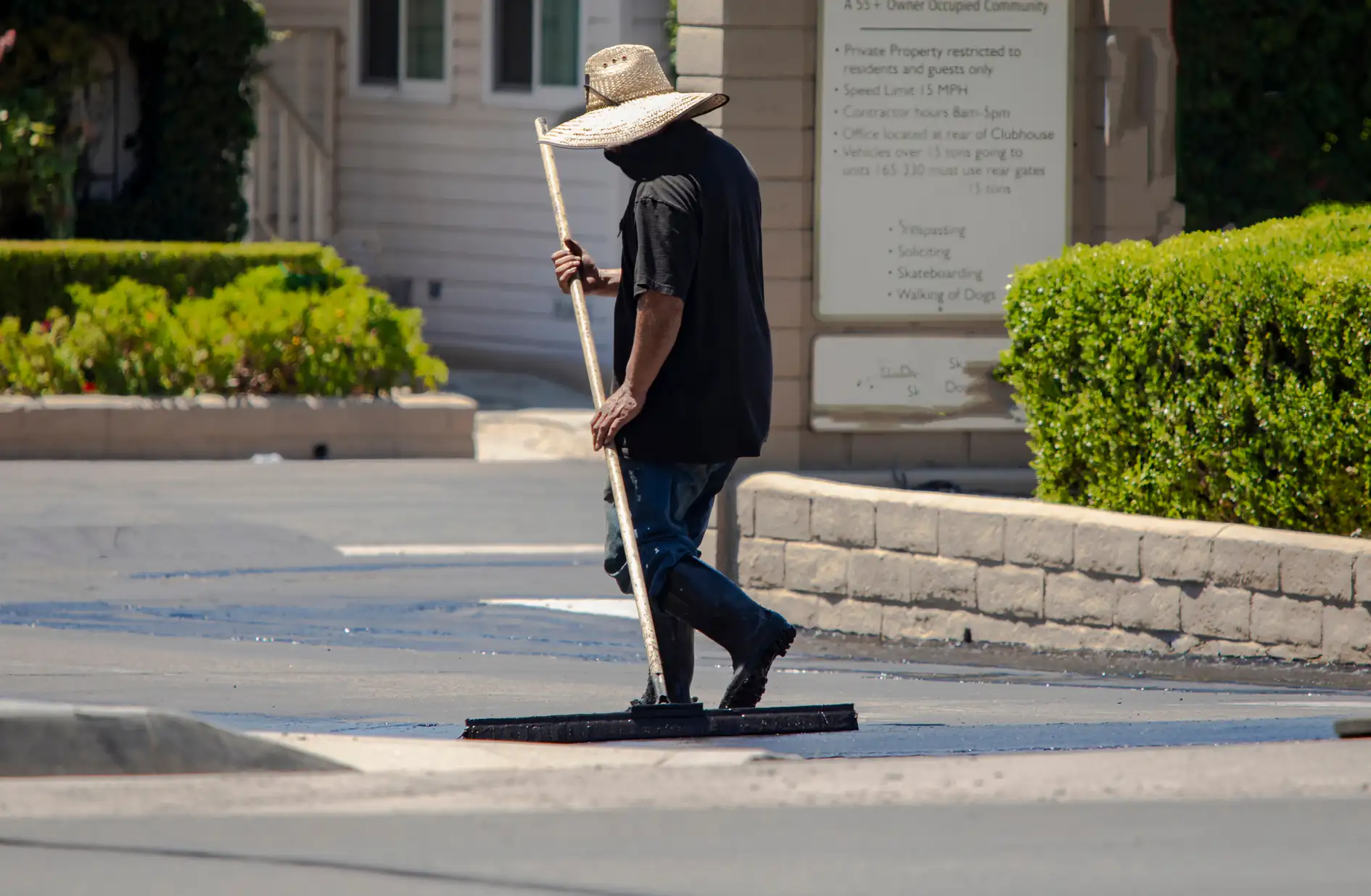
Then we apply the sealcoat by hand. This isn’t a quick spray-and-go job. Hand application ensures even coverage, especially along edges and around obstacles. We use high-grade sealer that’s designed for New Jersey’s climate—formulated to handle the temperature extremes you deal with here.
For driveways in this area, we typically recommend two coats. A single coat might last one to two years. Two coats give you three to four years of solid protection, which is what you need to make it through our winters without constant reapplication.
After application, the surface needs 24 to 48 hours to cure, depending on weather. You’ll need to stay off it during that time. Once it’s cured, you’ve got a sealed, protected driveway that’s ready for whatever winter throws at it.
Ready to get started?
You get crack filling for any damage that needs it before we seal. You get a thorough cleaning so the sealer bonds correctly. You get two coats of premium sealant applied by hand for even, long-lasting coverage.
In Basking Ridge and throughout Morris County, fall is the ideal time for this work. Temperatures are mild enough for proper curing, and you’re creating a protective barrier right before winter hits. That’s when your driveway takes the most abuse, so timing matters.
Spring is the other busy season, mostly because that’s when homeowners see the damage winter caused. Cracks that weren’t there in November are suddenly everywhere by April. If that’s your situation, sealing in spring stops the damage from getting worse before next winter rolls around.
You also get easier maintenance after sealing. Snow removal is simpler on a smooth, sealed surface. Sweeping is more effective. The driveway looks cleaner because dirt doesn’t embed itself into the pores of unsealed asphalt.
And you’re protecting your home’s foundation. When water runs off a cracked driveway, it often heads straight toward your foundation. Sealing stops that water at the source, which can save you from foundation repairs that cost exponentially more than driveway work ever will.

Most residential driveways in Basking Ridge cost between $150 and $500 to seal, depending on size and condition. The price breaks down to about $0.15 to $0.40 per square foot for standard sealcoating work.
A typical two-car driveway runs around $230 to $390 if it’s in decent shape and doesn’t need major crack repairs first. If you’ve got a larger driveway or significant cracking that needs filling before we seal, the price goes up accordingly.
Compare that to replacement costs. Removing and repaving a driveway runs $6 to $8 per square foot in today’s market. For that same two-car driveway, you’re looking at $3,000 to $7,000 or more. Sealcoating every few years is a fraction of that cost and keeps you from needing replacement for decades.
In New Jersey’s climate, a single coat of sealer typically lasts one to two years. Two coats give you three to four years of protection. That’s why we recommend two coats for driveways in this area—you get better value and longer-lasting results.
The lifespan depends on a few factors. Traffic volume matters—a driveway that sees multiple vehicles daily wears faster than one with light use. Weather exposure plays a role too. Driveways in full sun fade faster from UV damage, while shaded areas might hold up longer but stay damp, which brings its own issues.
Maintenance between sealcoating also affects longevity. If you’re clearing snow with a metal shovel or plow blade, you’re scraping off sealer every winter. Using a plastic shovel or snow blower is gentler on the surface. Small habits like that can add months or even a year to how long the sealcoat holds up.
Fall is ideal. Temperatures are mild, humidity is lower, and the sealer has time to cure properly before winter. You’re also creating that protective barrier right when you need it most—before freeze-thaw cycles start doing damage.
Spring is the second-best option, especially if you’re dealing with cracks that appeared over winter. Sealing in April or May stops that damage from getting worse and gives you protection heading into summer heat and next winter.
You need temperatures above 50°F during application and for at least 24 hours afterward so the sealer can cure. You also need dry conditions—no rain in the forecast for at least 24 to 48 hours. That’s why summer can be tricky. Afternoon thunderstorms are common, and if it rains before the sealer cures, you’re starting over.
No. Sealcoating prevents cracks from forming and stops small ones from getting worse, but it doesn’t repair structural damage. If you’ve already got cracks wider than a quarter-inch, those need to be filled before we seal.
Crack filling is a separate step. We clean out the crack, fill it with rubberized crack filler, and let it set. Then we seal over the entire surface. The sealcoat protects the repair and the rest of the driveway from future damage.
If you skip crack filling and just seal over damaged asphalt, the cracks will keep spreading underneath. The sealcoat might hide them temporarily, but it won’t stop water from getting in and making things worse. That’s why we assess the condition first and recommend repairs if they’re needed. You don’t want to pay for sealcoating only to have the same cracks reappear a few months later.
You can buy sealer at a hardware store and do it yourself, but the results usually aren’t the same. DIY sealers are thinner and don’t last as long as commercial-grade products. Application matters too—uneven coverage leaves weak spots that wear out faster.
Professional sealcoating uses higher-grade materials designed for durability in harsh climates like New Jersey’s. We apply it by hand to ensure even coverage, especially around edges, corners, and transitions where DIY jobs often miss or apply too thin.
There’s also the prep work. If your driveway isn’t cleaned properly or cracks aren’t filled correctly, the sealer won’t bond right. You’ll end up with peeling, flaking, or early failure. Hiring a contractor means the job gets done correctly the first time, with materials and methods that actually hold up. You’re not reapplying every year because the DIY coat didn’t last.
Sealcoating restores the deep black color and gives your driveway a clean, maintained appearance. It won’t fix structural issues like potholes, major cracking, or sunken areas, but it does make a noticeable difference in how the surface looks.
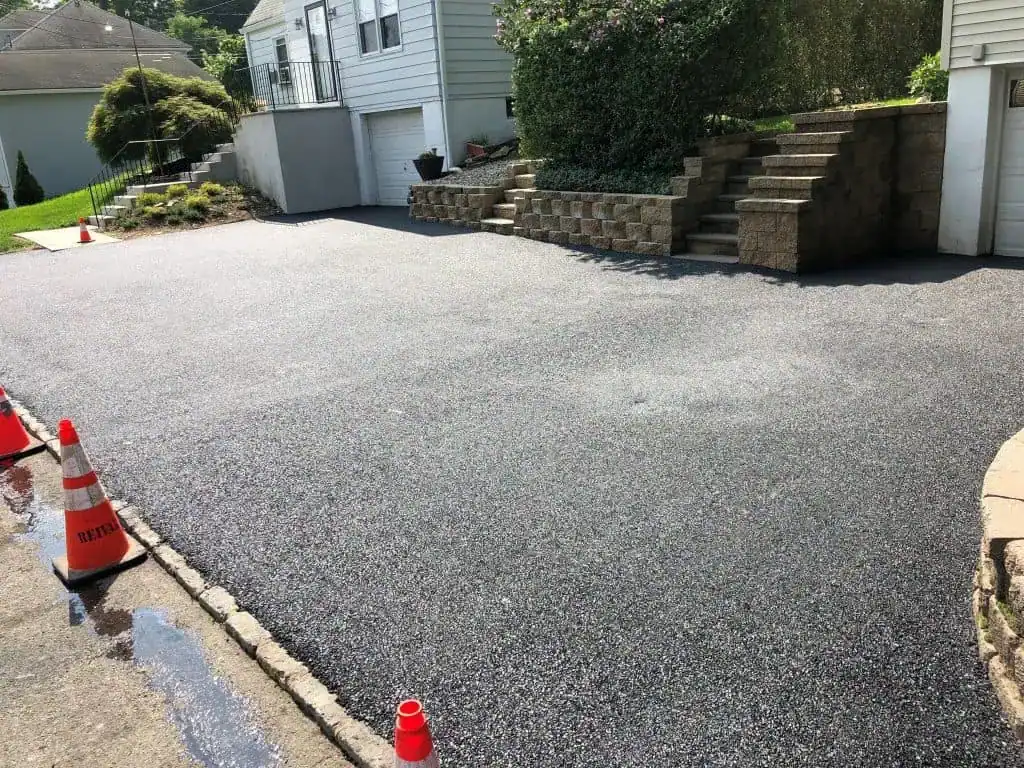
If your driveway is faded, gray, and weathered, sealcoating brings back that fresh asphalt look. It fills in small surface imperfections and creates a uniform finish. Curb appeal improves immediately, which matters if you’re thinking about selling or just want your property to look well-kept.
That said, if your driveway has significant damage—deep cracks, crumbling edges, or areas where the base is failing—sealcoating alone won’t solve those problems. You’d need repairs first. But for driveways in decent structural shape that just look worn and tired, sealcoating makes a big visual difference and protects the surface so it stays looking good longer.