
Hear from Our Customers
Every spring across Morris County, homeowners discover cracks and potholes that weren’t there in October. Water got in, froze, expanded, and broke the pavement apart from the inside. That small crack you ignored became a $1,500 repair job.
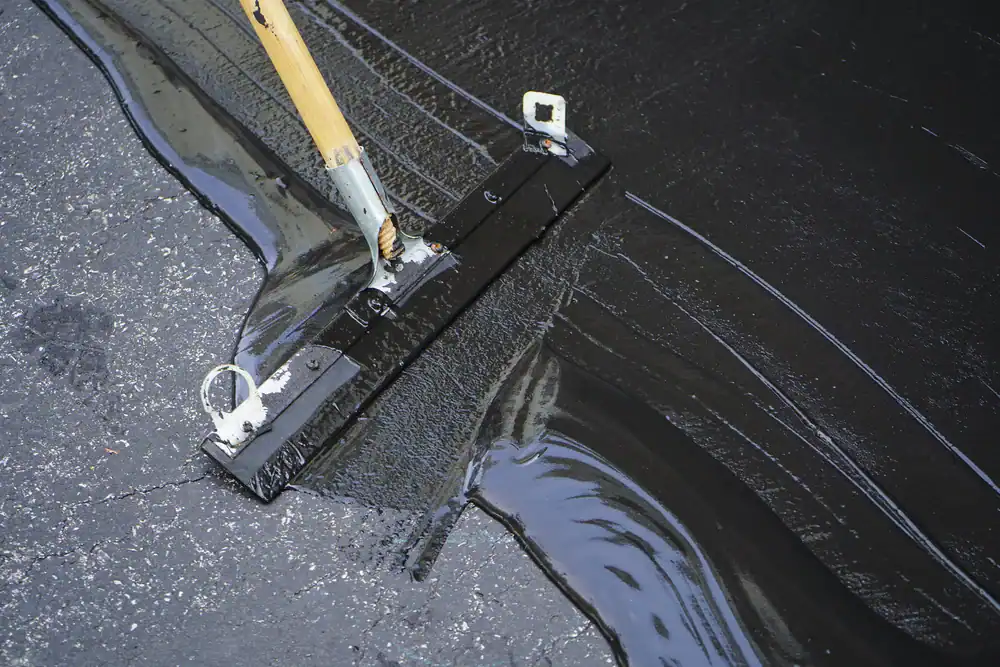
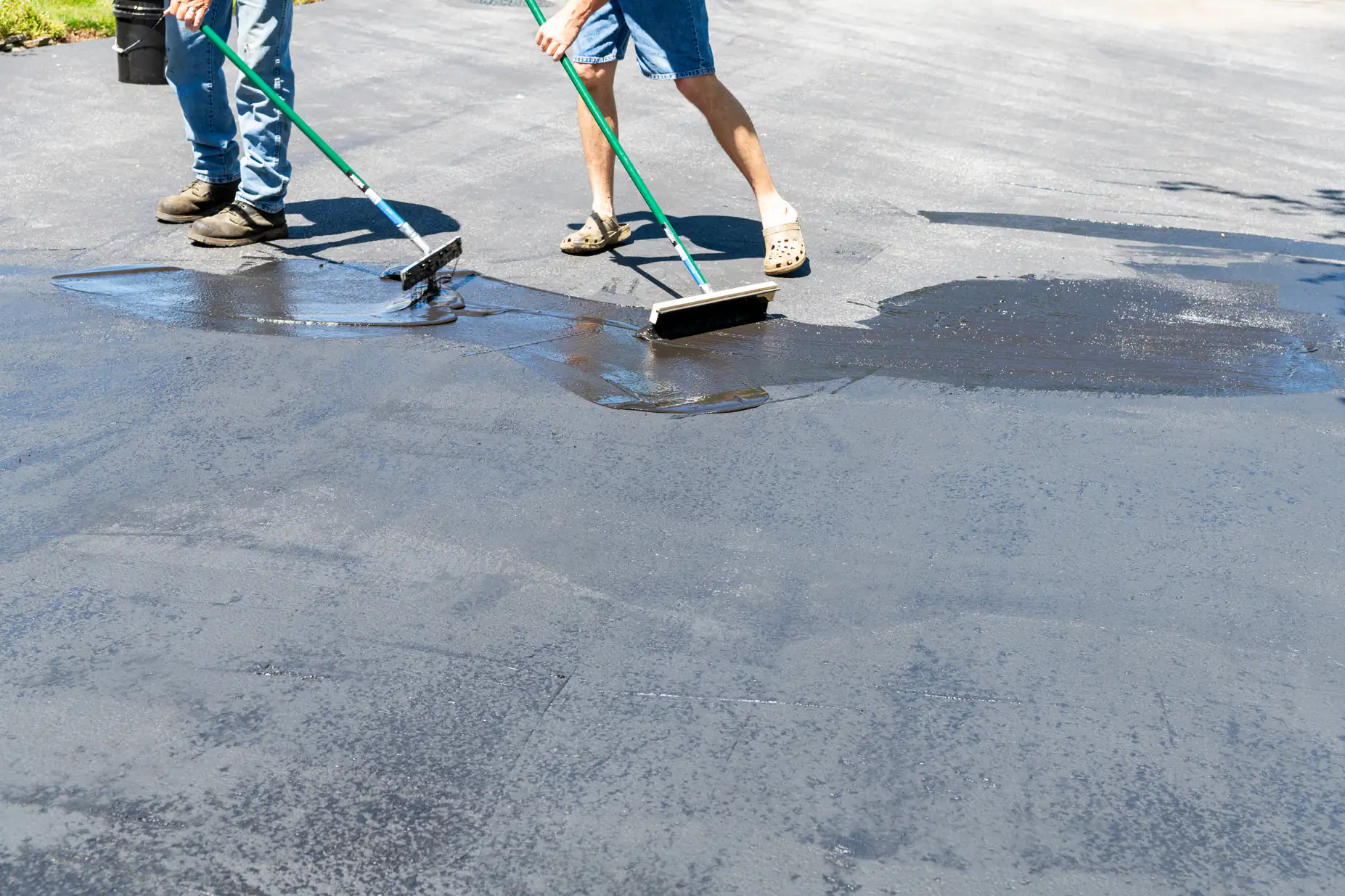
Sealcoating creates a waterproof barrier before winter hits. It keeps moisture out, prevents freeze-thaw damage, and blocks road salt from eating away at your asphalt. The result is a driveway that looks darker, lasts longer, and costs you less over time.
Most driveways in Ampere North need sealcoating every 2-3 years. Skip it, and you’re looking at resurfacing or replacement within 5-7 years instead of 15-20. A $300 sealcoating job now beats a $6,000 replacement later. The math isn’t complicated.
We work exclusively in Morris, Somerset, and Sussex Counties. We’re not a franchise or a crew that bounces between states. We’re here year-round, and we’ve seen what happens to driveways that don’t get sealed before winter.
Our crews use high-grade hot mix asphalt applied at the right temperature, not the cheap stuff that cracks after one season. We prep the surface properly, fill existing cracks, and apply sealant when conditions are right. No shortcuts, no surprises on the invoice.
We’ve worked on driveways throughout Ampere North, East Orange, Newark, and surrounding towns for years. You’ll get a callback within 24-48 hours of your quote request, upfront pricing, and a crew that shows up when we say we will.
First, we inspect your driveway to assess the current condition. We’re looking for cracks, drainage issues, and areas where the base might be compromised. If there’s damage that needs repair before sealing, we’ll tell you upfront.
Next, we clean the surface completely. Oil stains, dirt, and debris prevent sealant from bonding properly. We fill any cracks with rubberized filler so water can’t penetrate once the sealcoat goes down.
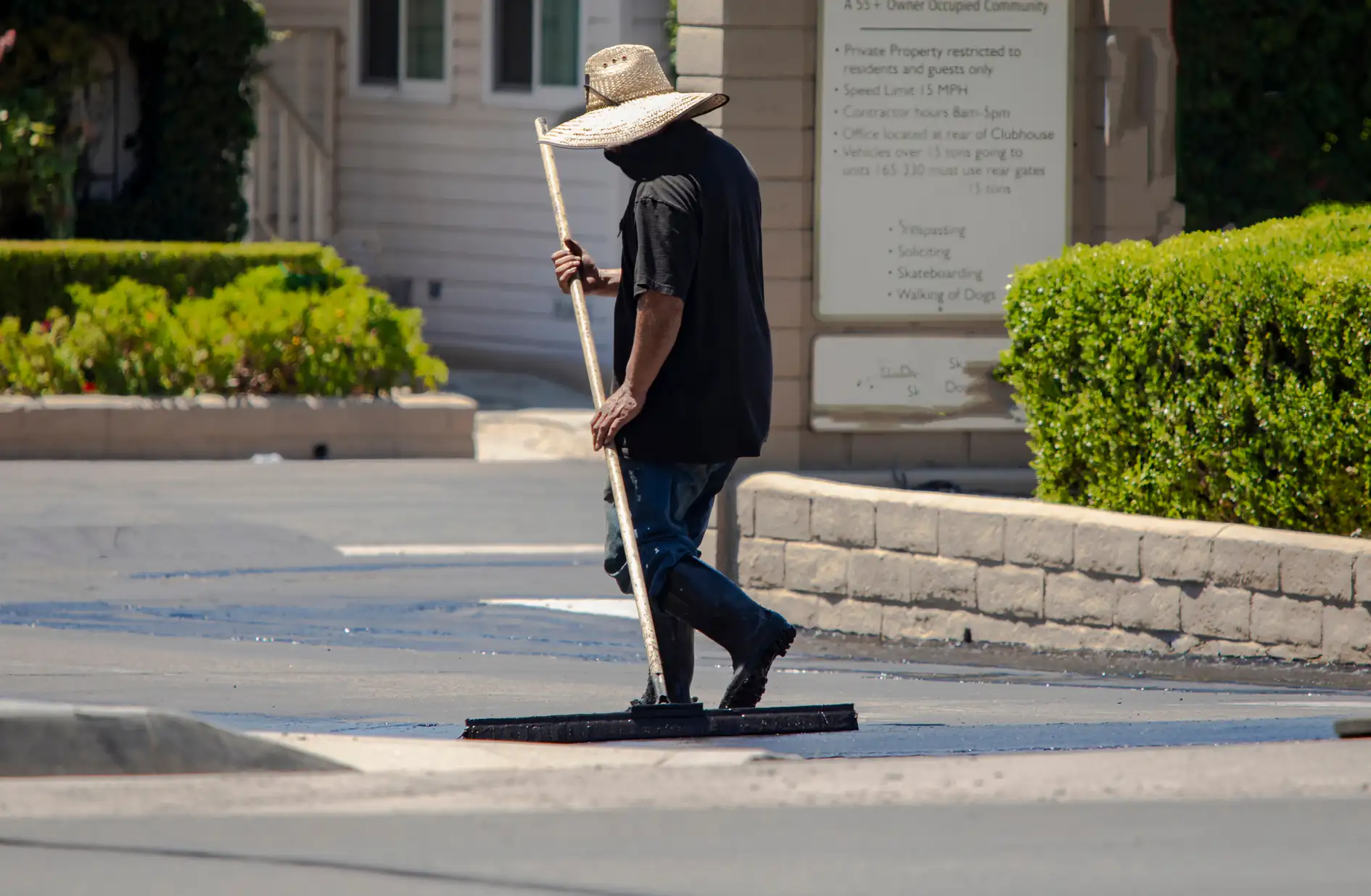
Then we apply two coats of professional-grade sealer. The first coat penetrates and bonds. The second creates that protective top layer. We work in temperatures between 50-70 degrees with low humidity so the sealer cures correctly. You’ll need to stay off the driveway for 24-48 hours depending on weather conditions.
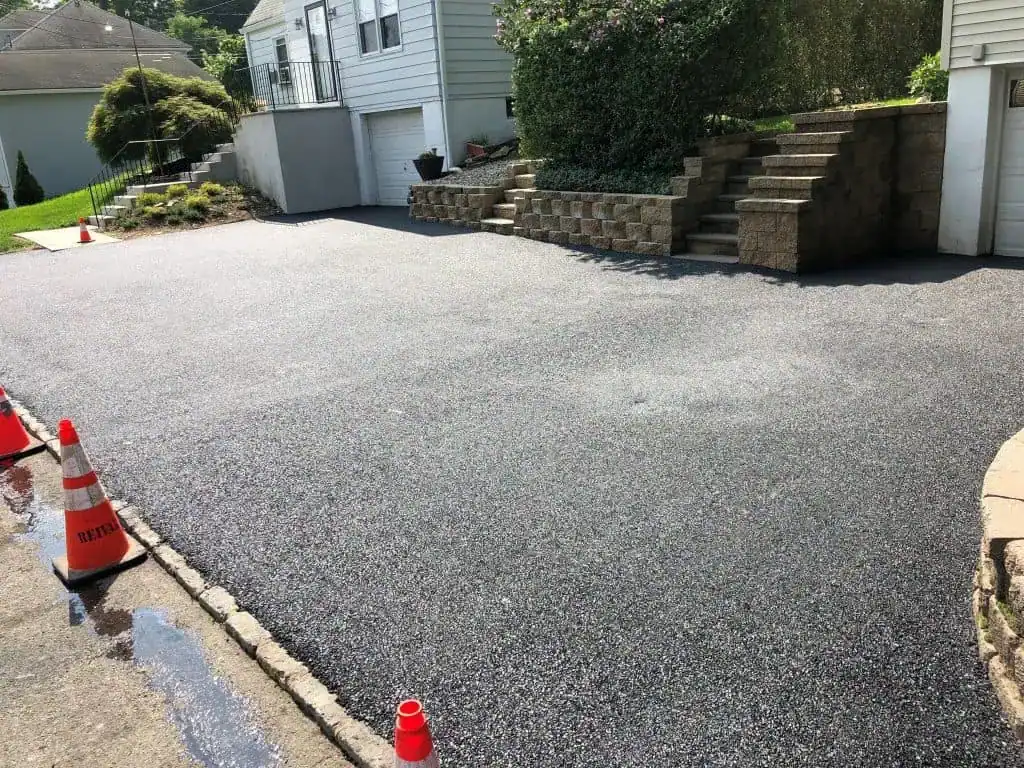
After that, you’ve got a driveway that sheds water instead of absorbing it, resists UV damage, and stands up to road salt and snowplows all winter long.
Ready to get started?
Every sealcoating job includes thorough surface cleaning, crack filling with flexible filler, and two coats of commercial-grade sealer. We’re not spraying and leaving. We’re addressing the problems that cause premature failure.
In Ampere North and throughout Morris County, driveways face heavy moisture from fall through spring. Our sealant is formulated for New Jersey’s freeze-thaw cycles, not just general use. It stays flexible in cold weather and doesn’t crack when temperatures swing 40 degrees in a day.
We also handle edge work where your driveway meets the lawn or street. That’s where water infiltration starts, and most contractors skip it. You’ll see clean lines, even coverage, and a finish that actually protects the underlying asphalt instead of just making it look good for a few months.
The cost typically runs $0.30-$0.50 per square foot for residential driveways in this area. A standard two-car driveway costs between $200-$500 depending on size and condition. That’s a fraction of what you’d pay for repairs if you wait until spring and find out the damage is already done.

Fall is the best window for driveway sealcoating in North Jersey. You want temperatures consistently between 50-70 degrees with low humidity and minimal rain in the forecast. That usually means late September through early November.
Sealing in spring works too, but contractors are slammed with repair jobs from winter damage. You’ll wait longer for scheduling, and you’ve already lost a season of protection. By the time you get it done in May, your driveway has been through another brutal freeze-thaw cycle unprotected.
Summer heat can work against you. When it’s 85+ degrees, sealer dries too fast and doesn’t penetrate properly. You end up with a surface coating that peels instead of a protective layer that bonds. Fall gives you the right conditions and gets your driveway protected before the first freeze.
Professional sealcoating lasts 2-3 years in New Jersey if applied correctly. That timeline assumes you’re dealing with normal wear from vehicles, weather, and seasonal temperature swings. High-traffic areas or driveways with drainage issues might need attention sooner.
The key is the prep work and the quality of materials. Cheap sealer from a big box store might last one season. Professional-grade products with proper surface preparation and crack filling give you real protection that holds up through multiple winters.
You’ll know it’s time to reseal when the surface starts looking gray instead of black, or when water stops beading up and starts soaking in. If you wait until you see new cracks forming, you’ve waited too long. Resealing on schedule costs less than repairing damage that could have been prevented.
Sealcoating protects existing asphalt. Repaving replaces it. If your driveway’s base is still solid and you’re just dealing with surface wear, fading, and minor cracks, sealcoating is the right move. It costs a fraction of repaving and extends the life of what you already have.
Repaving becomes necessary when the base has failed, when you’ve got deep potholes, or when more than 30% of the surface is cracked and crumbling. At that point, sealing won’t fix the structural problems underneath. You need new asphalt.
Most driveways in Ampere North that get sealed every 2-3 years can go 15-20 years before needing repaving. Driveways that never get sealed start failing in 5-7 years. The cost difference is dramatic. Sealcoating runs $200-$500 for a typical driveway. Repaving runs $3,000-$7,000 or more depending on size.
Yes, but the cracks need to be filled first. Sealcoating goes over the surface. It’s not thick enough to fill gaps. If you just seal over cracks without filling them, water still gets in and you haven’t solved anything.
We use rubberized crack filler that stays flexible when temperatures drop. It moves with the asphalt instead of cracking apart when the pavement contracts in winter. Once the cracks are properly filled and cured, we apply the sealcoat over the entire surface including the repairs.
There’s a limit though. If your driveway looks like a spiderweb of cracks covering more than a third of the surface, filling and sealing becomes a temporary fix. You’re probably looking at deeper base issues that need more than surface treatment. We’ll tell you honestly if sealing makes sense or if you’re better off planning for repaving.
Most residential driveways in Morris County cost between $200-$500 to seal professionally. That’s for a standard two-car driveway around 400-600 square feet, including cleaning, crack filling, and two coats of sealer. Larger driveways or ones with significant cracking cost more.
The price breaks down to about $0.30-$0.50 per square foot in this area. New Jersey runs higher than the national average because of labor costs and the fact that our sealers need to hold up to harsher weather conditions. You’re paying for materials that actually work in freeze-thaw cycles.
Be careful with quotes that come in way below that range. You’re either getting one coat instead of two, no crack filling, or sealer that’s been diluted to stretch further. That might save you $100 upfront, but you’ll be resealing again next year instead of getting 2-3 years of protection.
Concrete and asphalt need different types of protection. Asphalt sealcoating uses a petroleum-based or coal tar product that bonds to asphalt and creates a waterproof layer. Concrete sealing uses a penetrating sealer or topical coating designed for concrete’s different porosity and composition.
If you have a concrete driveway in Ampere North, you still need to seal it, but the process and products are different. Concrete is more resistant to cracking from freeze-thaw cycles than asphalt, but it’s not immune. Water gets into the pores, freezes, and causes spalling where the surface starts flaking off.
We handle both asphalt and concrete driveways. The inspection process is similar, but the materials and application methods change based on what you have. Concrete sealing typically costs slightly less than asphalt sealcoating and needs to be done every 2-3 years as well.