
Hear from Our Customers
Your pavement takes a beating from New Jersey’s freeze-thaw cycles, heavy traffic, and constant weather changes. When it’s done right, you get smooth surfaces that drain properly, resist cracking, and maintain their strength for decades.
No more water pooling in low spots. No more cracks appearing after the first winter. Just solid, reliable pavement that does its job without creating headaches or surprise repair bills.
You deserve asphalt paving in Culvers Inlet, NJ that’s built to handle whatever comes next.
We bring over 20 years of asphalt installation experience to every project in Culvers Inlet, NJ. As a third-generation, family-owned paving company, we understand what it takes to create pavement that lasts in New Jersey’s challenging coastal climate.
We’ve seen what happens when corners are cut. Seams that pool water. Overlays that crack within two years. Materials that run out mid-project. That’s exactly what we don’t do.
Every blacktop paving job gets the same attention whether it’s a small driveway or a large commercial lot. Licensed, insured, and backed by a 5-year warranty on all work.
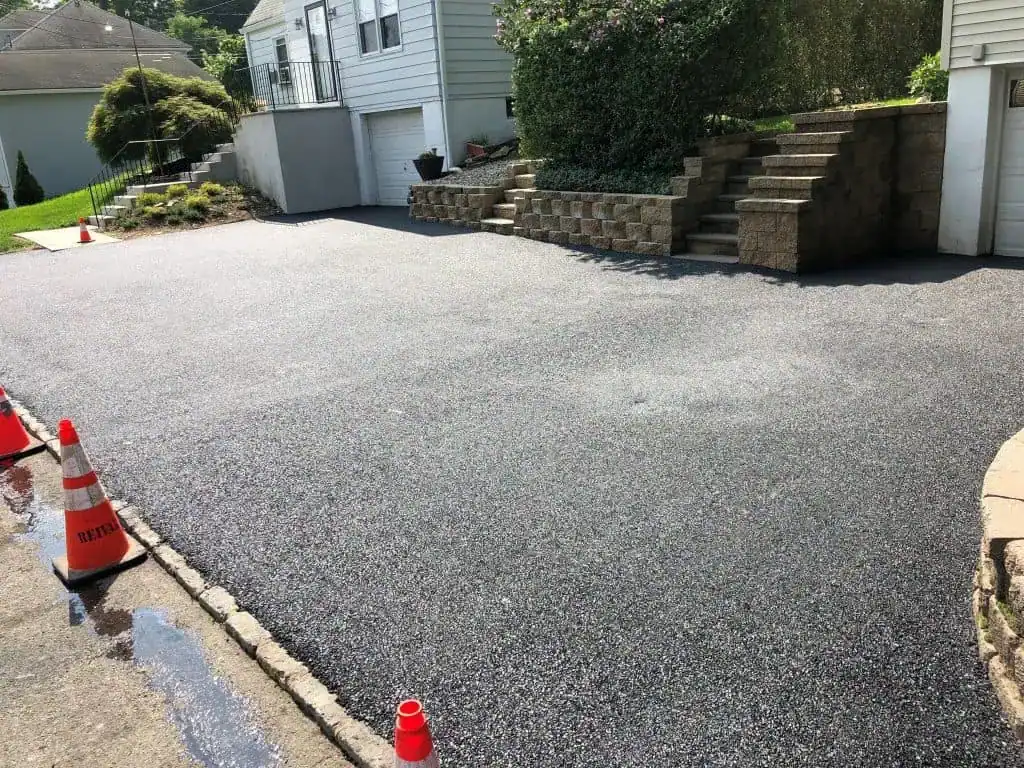
Quality asphalt paving services in Culvers Inlet, NJ start with understanding your specific site conditions. Our process begins with measuring, marking, and excavating any faulty material, then constructing a properly graded, compacted aggregate base designed for your traffic loads and drainage needs.
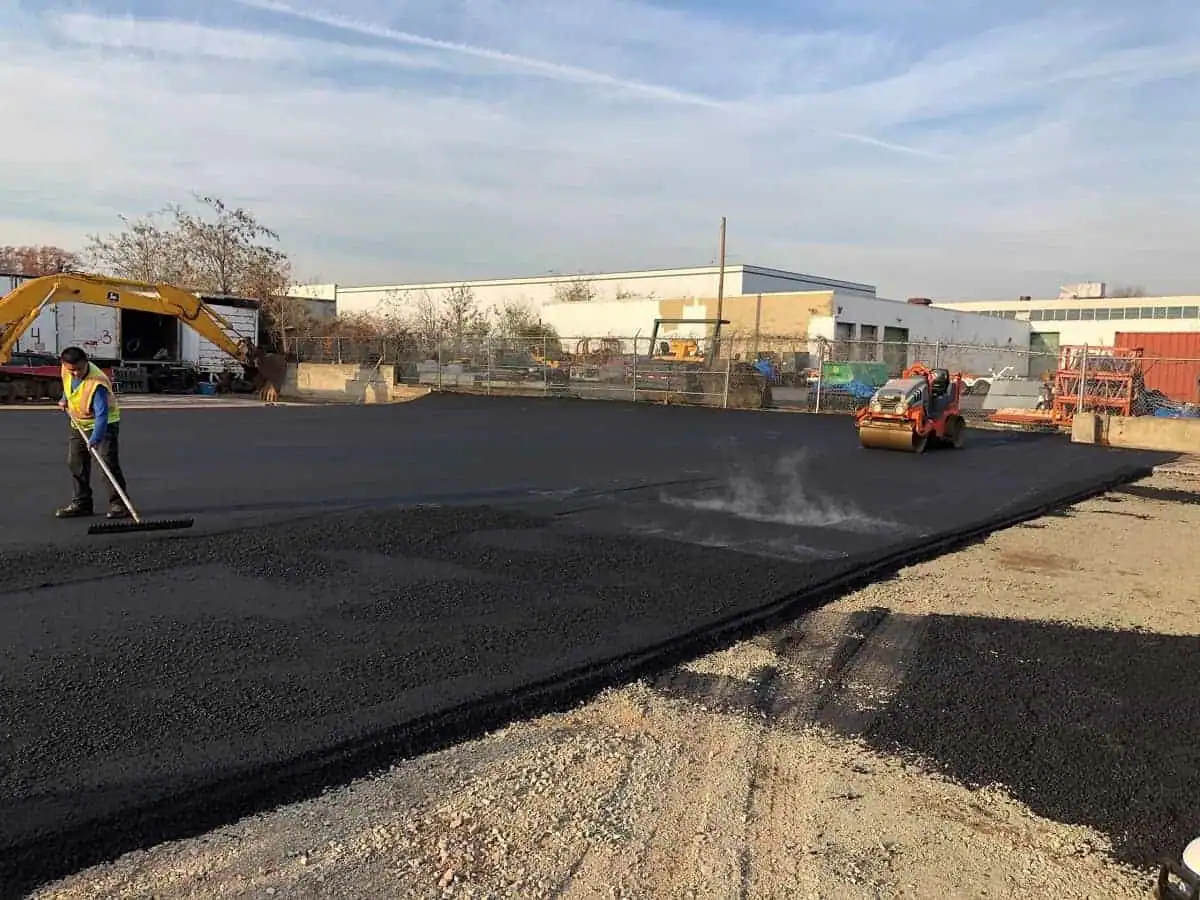
Hot mix asphalt gets distributed uniformly by paving machines to meet engineered thickness requirements. But here’s where most paving companies cut corners – the compaction phase. Proper compaction using heavy vibratory and static steel-wheeled rollers creates the density your pavement needs to resist water infiltration.
We pay close attention to rolling patterns, asphalt temperature during compaction, and roller weight to achieve optimal density. It’s the difference between pavement that lasts 25 years and pavement that needs repairs in two.
Ready to get started?
Asphalt contractors in Culvers Inlet, NJ need to understand local coastal conditions. The location near the inlet means dealing with specific drainage challenges, salt air exposure, and weather patterns that affect pavement performance throughout the year.
We select appropriate asphalt mix designs considering binder grades and aggregate characteristics suitable for New Jersey’s temperature swings and coastal environment. We explain the reasoning behind our recommendations so you understand why certain approaches work better for your specific situation.
From new asphalt installation to resurfacing existing pavement, every project gets evaluated for base conditions, drainage patterns, and the type of distress shown by current surfaces. This thorough approach means getting the right solution instead of a temporary fix that fails within a few seasons.

When properly installed and maintained, asphalt can last up to 25 years or more in New Jersey’s climate. The key is proper installation from the start – correct base preparation, appropriate mix design for local temperature swings, and achieving proper compaction density.
Many overlays fail within two years because asphalt paving contractors skip critical steps like geotextile fabric installation or proper compaction. Quality asphalt paving services in Culvers Inlet, NJ require understanding how freeze-thaw cycles affect pavement and building accordingly.
We use techniques proven to extend pavement life, including premium materials and proper rolling patterns during compaction to achieve target density for water resistance and structural integrity.
New Jersey’s freeze-thaw cycles are the primary cause of asphalt cracking. When water infiltrates pavement through insufficient compaction or poor drainage, it expands when frozen and contracts when thawed, creating stress that leads to cracks.
Most asphalt overlays are installed improperly and don’t last two years before cracks resurface. This happens because the same cracks from the old pavement reflect through the new overlay at approximately one inch per year. Without addressing underlying issues, you’ll see the same crack patterns within 24 months.
Preventing this requires proper base evaluation, addressing drainage issues, and using geotextile fabric when appropriate. Studies show geotextile fabric can reduce reflective cracking by 80% over a 15-year overlay life for less than $0.25 per square foot.
Look for asphalt contractors who explain the “why” behind their recommendations rather than just providing quotes. Quality paving companies should assess your existing base, evaluate drainage patterns, and explain what mix designs work best for your specific conditions and traffic loads.
Verify they’re licensed and insured, and ask about their compaction process specifically. Many contractors rush this critical step, but proper compaction using heavy rollers at correct temperatures determines whether your pavement lasts decades or needs repairs in a few years.
Check references and reviews, but also ask detailed questions about their asphalt installation process. Contractors who understand local climate challenges and can explain their approach are more likely to deliver lasting results than those who focus only on low prices.
Asphalt overlay involves paving new asphalt directly over existing pavement when the base is structurally sound but the surface shows wear. Full-depth replacement removes asphalt down to the subgrade and rebuilds from the foundation up when there are structural issues.
The choice depends on your existing conditions. If you have alligator cracking, significant rutting, or base failures, overlay won’t solve the underlying problems. Those same issues will reflect through the new surface within two years, leaving you with the same problems you started with.
Full-depth replacement costs more upfront but addresses root causes. It involves evaluating and compacting the subgrade, removing soft spots, installing proper base course, and finishing with new surface asphalt. For severely damaged pavement, it’s the only solution that provides long-term value.
The optimal season for asphalt paving services in New Jersey is typically from late spring through early fall when temperatures are consistently above 50°F. Cold weather affects asphalt workability and compaction, making it difficult to achieve proper density.
Winter months from December through March are generally off-peak for blacktop paving because temperature fluctuations between freezing and above freezing create challenging installation conditions. However, emergency repairs can be done year-round when necessary.
Planning your project for warmer months allows for better compaction, proper curing, and optimal material performance. It also provides more scheduling flexibility and often better pricing than emergency winter work.
Asphalt paving costs vary significantly based on project size, site conditions, base preparation needs, and thickness requirements. Factors like drainage issues, accessibility, and traffic control requirements all affect pricing for any paving company.
The cheapest quote isn’t always the best value. Contractors who skip proper base preparation, use inferior materials, or rush compaction create pavement that needs expensive repairs within a few years. Quality asphalt installation costs more upfront but provides decades of service.
Get detailed quotes that specify materials, thickness, base preparation, and compaction procedures. Compare the complete scope of work, not just bottom-line prices. A proper installation with warranty protection offers better long-term value than cheap work that fails prematurely.