
Hear from Our Customers
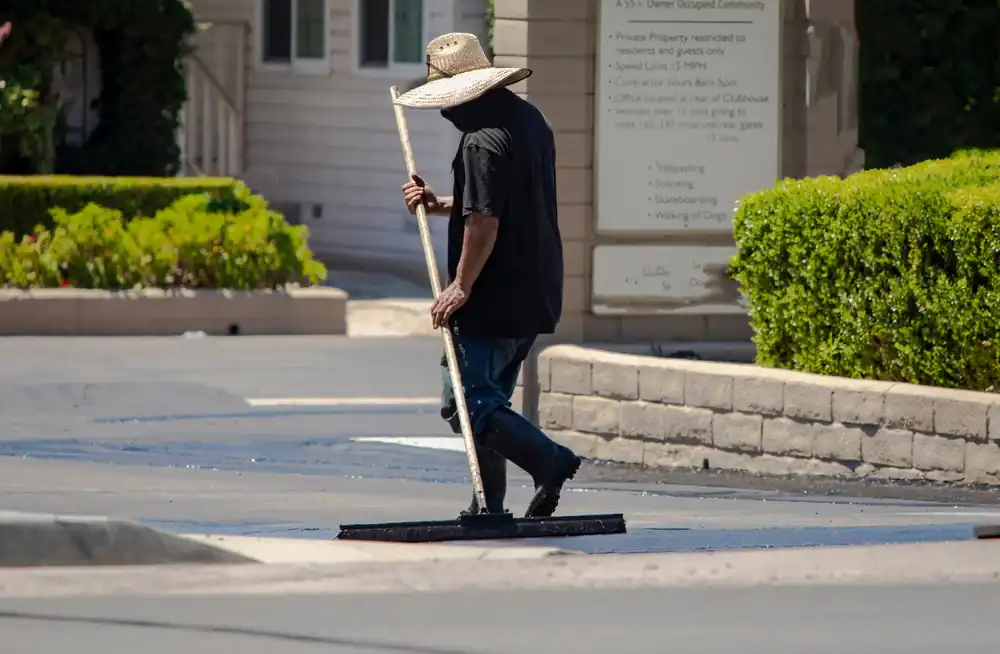
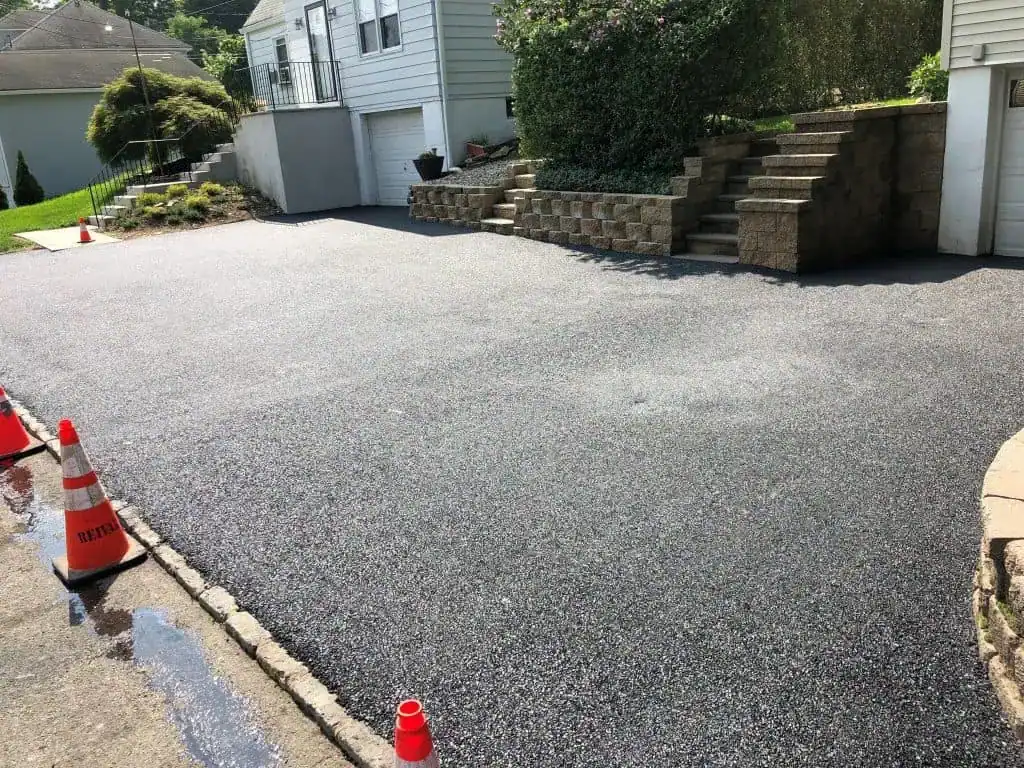
You get a driveway or parking lot that doesn’t crack after the first winter. You get smooth surfaces that don’t pool water or create safety hazards for your family or customers.
Most importantly, you get years of reliable performance without constant repairs eating into your budget. When asphalt paving in Vernon Valley is done right, it handles everything New Jersey weather throws at it—from heavy snowfall to summer heat waves—while maintaining that fresh, professional appearance that makes your property stand out.
The difference between quality paving and cheap work shows up fast in our climate. Proper installation means better drainage, fewer cracks, and surfaces that actually last the decades they’re supposed to.
We bring over 20 years of experience to Vernon Valley, serving homeowners and businesses throughout Sussex County. We’re a third-generation, family-owned company that understands what works in New Jersey’s challenging climate.
We’ve seen what happens when paving jobs are rushed or done with subpar materials. That’s why we focus on proper site preparation, quality materials, and installation techniques that actually hold up over time.
Vernon Valley’s mix of residential properties and outdoor recreation businesses demands paving that looks good and performs reliably. We deliver both, with the kind of attention to detail that comes from decades of experience in this exact market.
First, we evaluate your existing surface and drainage patterns. If the foundation isn’t solid, your new asphalt won’t be either. We excavate problem areas and build a properly graded, compacted base that can handle Vernon Valley’s freeze-thaw cycles.
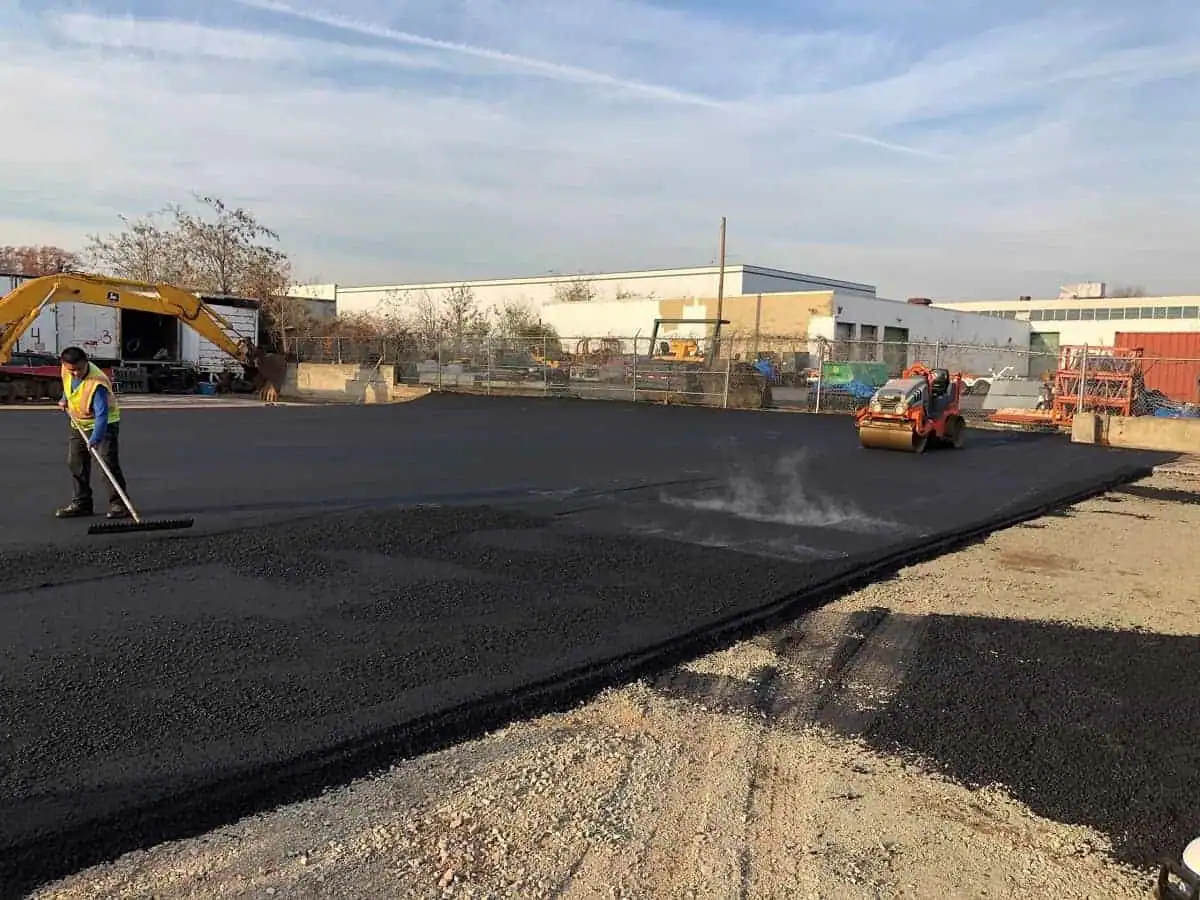
Next comes the hot-mix asphalt application. We use paving machines to distribute heated asphalt at the engineered thickness your project requires. But laying asphalt is only half the job.
The critical step is compaction. We use heavy rollers—both vibratory and static steel-wheeled types—to press the asphalt particles together and eliminate air voids. This creates the density your pavement needs for strength, stability, and water resistance. Skip this step or do it wrong, and you’ll have problems within a year.
Ready to get started?
Every Vernon Valley asphalt paving project includes comprehensive site analysis, proper excavation when needed, and engineered base preparation. You get hot-mix asphalt applied at the correct thickness and professionally compacted to industry standards.
We handle drainage considerations specific to your property’s grade and water flow patterns. Poor drainage is one of the biggest threats to asphalt longevity in New Jersey, so we address it upfront rather than hoping it won’t become a problem later.
Your project includes cleanup and restoration of landscaping disturbed during installation. We also provide guidance on when to apply sealcoating for maximum protection against Vernon Valley’s weather extremes. With our 5-year warranty, you have confidence in both materials and workmanship.

Properly installed asphalt paving in Vernon Valley typically lasts 15-20 years with regular maintenance. New Jersey’s freeze-thaw cycles and temperature swings are hard on pavement, but quality installation and periodic sealcoating extend lifespan significantly.
The key factors are proper base preparation, adequate thickness, and professional compaction during installation. Asphalt that’s installed correctly handles our climate better than concrete, which can crack in freezing temperatures. Regular sealcoating every 3-5 years protects against oxidation, UV damage, and water penetration that leads to premature failure.
The decision depends on the extent of damage and the condition of your existing base. Surface cracks and minor settling can often be repaired cost-effectively. But if you have widespread cracking, multiple potholes, or drainage issues, replacement usually makes more financial sense.
We evaluate the underlying base, drainage patterns, and structural integrity before recommending repair versus replacement. Sometimes what looks like extensive surface damage is actually a foundation problem that repair won’t fix. A proper assessment saves you money by addressing the root cause rather than just covering up symptoms that will return.
Drainage is critical for asphalt longevity in Vernon Valley. We evaluate water flow patterns, existing grade issues, and potential problem areas before any paving begins. Poor drainage causes more asphalt failures than almost any other factor.
Solutions range from adjusting the grade during base preparation to installing drainage systems where needed. We ensure proper slope away from buildings and toward appropriate drainage points. Sometimes this means adding or relocating catch basins, or creating swales to direct water flow. Getting drainage right during installation prevents expensive problems later.
Wait 6-12 months after installation before applying sealcoat to new asphalt. Fresh asphalt needs time to cure and release oils before sealcoating will adhere properly. Applying it too early can actually prevent proper bonding.
After that initial period, sealcoat every 3-5 years depending on traffic and weather exposure. Vernon Valley’s temperature extremes and UV exposure make regular sealcoating essential for protecting your investment. It prevents oxidation, fills minor surface cracks, and maintains that fresh black appearance while extending pavement life significantly.
Most residential driveways take 1-2 days depending on size and complexity. Day one typically involves excavation, base preparation, and grading. Day two is asphalt installation and compaction. We coordinate delivery of hot-mix asphalt to ensure optimal temperature during installation.
You’ll need to keep vehicles off the new asphalt for 24-48 hours while it cures. We provide clear instructions about when it’s safe to drive on and any temporary access arrangements. Our crew handles cleanup and restoration of disturbed landscaping. Weather can affect timing, but we communicate any schedule changes promptly.
Asphalt paving costs vary based on size, thickness requirements, site conditions, and base preparation needs. Simple overlay projects cost less than complete reconstruction with new base work. Drainage improvements or significant excavation add to the total investment.
We provide detailed estimates that break down materials, labor, and any additional work required. Factors like accessibility, existing surface removal, and permit requirements affect pricing. The investment in quality paving pays off through reduced maintenance costs and longer lifespan. We explain all costs upfront so you can make informed decisions about your project scope.