
Hear from Our Customers
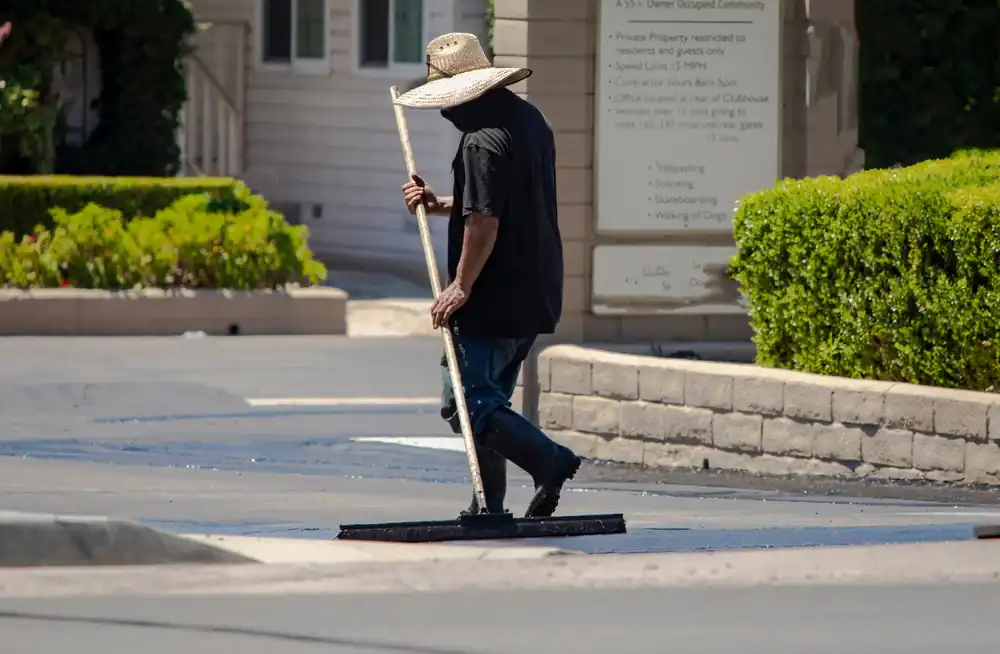
Your driveway becomes an asset, not a headache. Smooth surfaces that drain properly and won’t crack after the first winter. Clean edges that connect seamlessly with your garage and landscaping.
You get peace of mind knowing your pavement can handle New Jersey’s freeze-thaw cycles without settling or developing potholes. Professional installation means fewer repairs, lower maintenance costs, and a surface that looks good for years.
The right materials and proper techniques create driveways that enhance your property value instead of detracting from it. You’re investing in reliability, not just appearance.
We’ve been serving Huntsville and Morris County for over 20 years. We’re not the cheapest option—and that’s exactly why our customers choose us.
We understand what works in New Jersey’s climate. Our crews know how to handle the soil conditions, drainage challenges, and weather patterns that make or break pavement projects in this area.
Every project gets the same attention whether it’s a residential driveway or commercial parking lot. We use established methods, quality materials, and take the time to do proper site preparation because shortcuts always show up later.
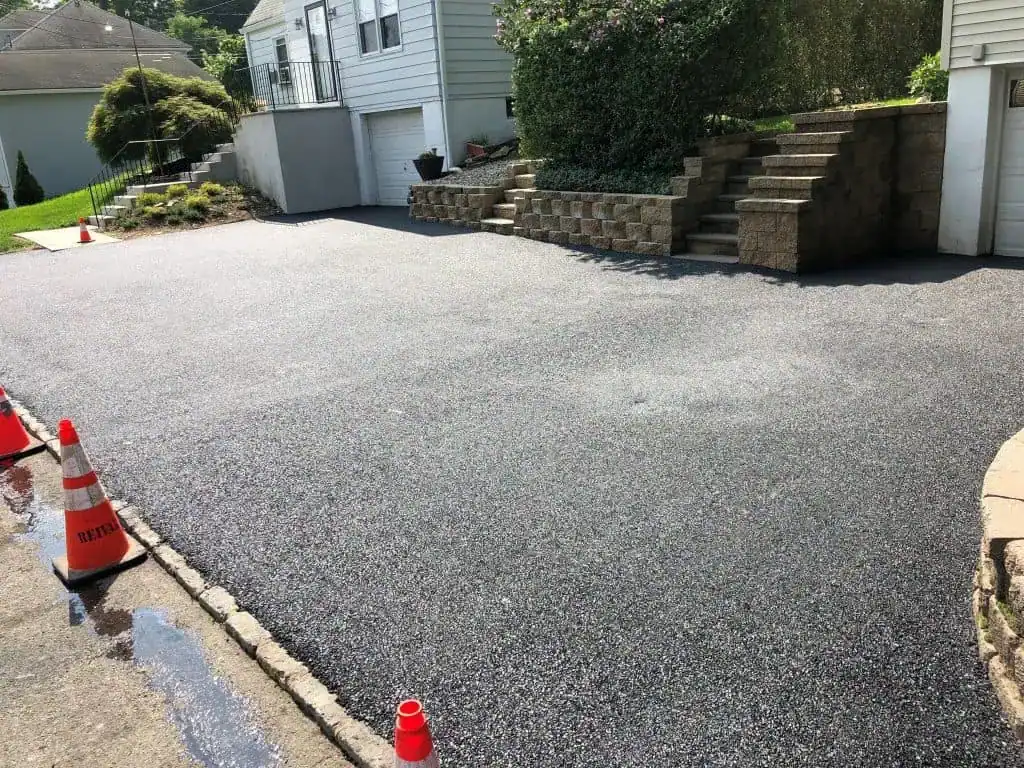
First, we assess your current situation and discuss what you need. We look at drainage, the condition of the existing base, and how the new surface needs to connect with your garage, street, and landscaping.
Next, we prepare the area properly. This means excavating to the right depth, grading for proper water runoff, and creating a solid foundation that won’t shift or settle. Most paving problems start with shortcuts during this phase.
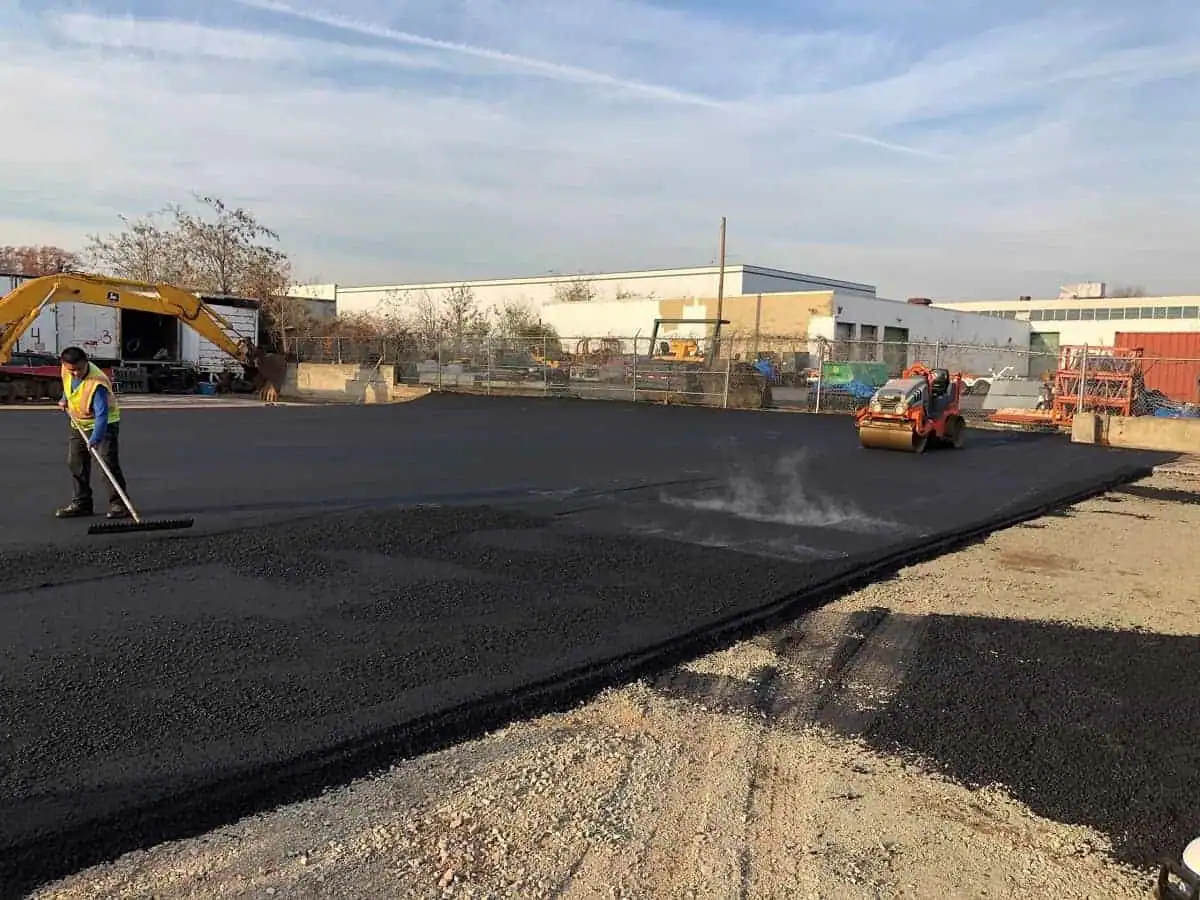
Then we install your new asphalt surface using high-grade hot mix asphalt applied at the right temperature and compacted for a dense, resilient finish. We make sure the thickness, slope, and finishing details are correct so your pavement performs well through Huntsville’s variable weather conditions.
Finally, we clean up completely and explain any curing time or maintenance recommendations. You get a surface that’s ready to handle daily use and whatever weather comes next.
Ready to get started?
We handle new driveway installation when you’re building or need to start over completely. This includes proper excavation, base preparation, and installation of asphalt surfaces designed for your specific property and usage needs.
For driveways that have good structure but surface problems, we provide resurfacing services. This gives you a fresh, smooth surface without the cost and disruption of full replacement.
We also handle repairs for localized damage like cracks, potholes, or settling areas. Every project includes attention to drainage details, proper grading, and connections to existing surfaces. In Huntsville’s climate, proper drainage isn’t optional—it’s essential for preventing freeze-thaw damage.
All work comes with clear communication throughout the process and upfront pricing so you know exactly what you’re getting. We’re licensed, insured, and equipped to handle everything from small residential repairs to complete driveway replacements.

New asphalt paving typically lasts 15-20 years in New Jersey’s climate when installed properly. The key factors are proper site preparation, quality materials, and correct installation techniques that account for our freeze-thaw cycles.
Areas with heavier traffic or poor drainage may need attention sooner, but quality installation with proper base preparation significantly extends lifespan. Regular maintenance like sealcoating every 3-4 years and prompt crack repair helps maximize your investment.
The difference between 10-year pavement and 20-year pavement usually comes down to the foundation work and material quality during initial installation.
Resurfacing means applying a new layer of asphalt over existing pavement when the foundation is still solid. It’s less expensive and faster than full replacement, typically taking 1-2 days instead of 3-4.
Complete replacement involves removing all existing asphalt, addressing any base issues, and installing entirely new pavement. This is necessary when the foundation has failed, there are major drainage problems, or the existing surface has deteriorated beyond repair.
We assess each situation individually. If your driveway has good bones but surface problems, resurfacing can give you years of additional life at a fraction of replacement cost. If there are structural issues, replacement is the only long-term solution.
Proper drainage is critical in New Jersey because water infiltration leads to freeze-thaw damage. We start by assessing existing drainage patterns and identifying any problem areas where water pools or flows incorrectly.
During excavation, we grade the base to direct water away from structures and toward appropriate drainage areas. This includes creating the right slope—enough to shed water but not so steep that it causes erosion or safety issues.
When necessary, we install catch basins, address existing drainage problems, or modify grading to prevent water from undermining your new pavement. Getting drainage right during installation prevents most future problems.
Most residential projects take 2-3 days from start to finish. Day one typically involves excavation and base preparation. Day two covers the actual paving work. Day three handles finishing touches and cleanup.
You’ll need to keep vehicles off the new asphalt for 24-48 hours while it cures properly. We’ll provide specific timing based on weather conditions and project details.
We work efficiently but don’t rush critical steps like base compaction or proper asphalt temperature. Weather can extend timelines, especially during spring and fall when conditions change quickly. We’ll give you realistic schedules upfront and keep you updated if adjustments are needed.
Asphalt paving costs vary based on project size, site conditions, and scope of work required. Factors include the area to be paved, thickness needed, amount of excavation required, and any drainage improvements necessary.
New installation typically costs more than resurfacing because it involves complete base preparation. Complex sites with access challenges or extensive grading needs will cost more than straightforward projects.
We provide detailed, upfront quotes that break down all work involved so you understand exactly what you’re paying for. No surprise charges or hidden fees—just clear pricing for quality work that lasts.
The ideal paving season in New Jersey runs from late spring through early fall when temperatures are consistently above 50 degrees. Asphalt needs proper temperatures for installation and curing.
Summer and early fall are typically best because weather is most predictable. Spring can work but weather changes more frequently. We avoid winter paving because cold temperatures prevent proper compaction and curing.
We schedule projects based on weather forecasts and can be flexible with timing when conditions aren’t ideal. The key is not rushing—waiting for proper conditions ensures better results than forcing work during marginal weather.