
Hear from Our Customers
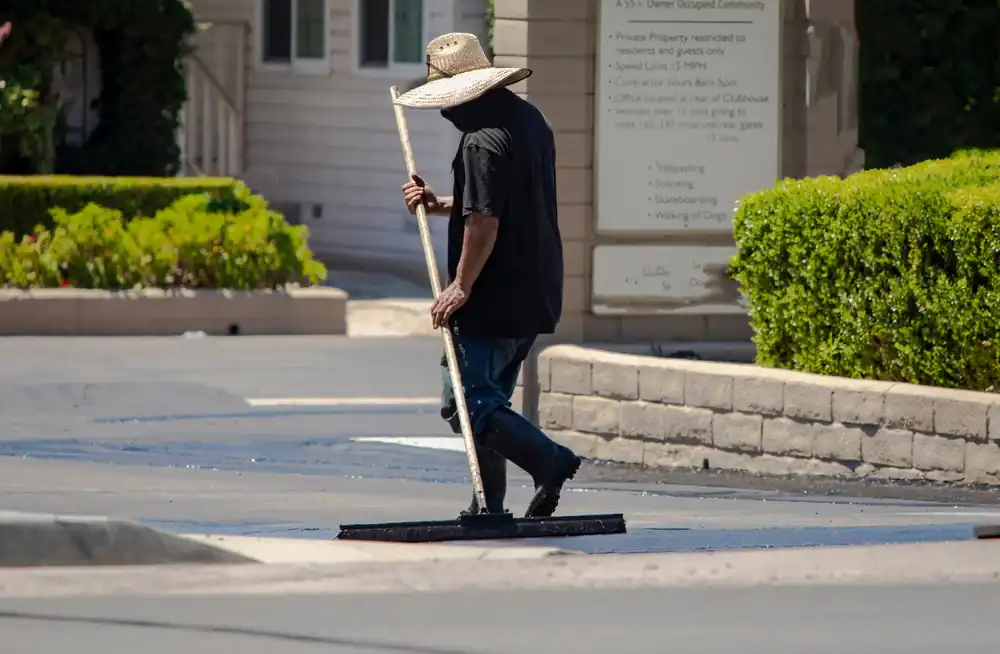
Your driveway or parking lot becomes an asset, not a headache. No more dodging potholes or explaining to customers why your lot looks like a moonscape.
Quality asphalt installation means smooth surfaces that drain properly and handle heavy traffic. You get curb appeal that actually adds value to your property instead of making you cringe every time you pull in.
The difference shows up immediately and lasts for years. No emergency repairs six months later. No water pooling after every storm. Just reliable pavement that works the way it should.
We’ve been handling asphalt projects throughout New Jersey for years. We understand what works in this climate and what doesn’t.
New Jersey winters are brutal on asphalt. Freeze-thaw cycles, road salt, and heavy traffic create challenges that require specific materials and installation techniques. We use methods proven to handle these conditions.
We serve Plumbsock and surrounding areas with the same approach: quality materials, proper installation, and realistic expectations about what your pavement will face over time.
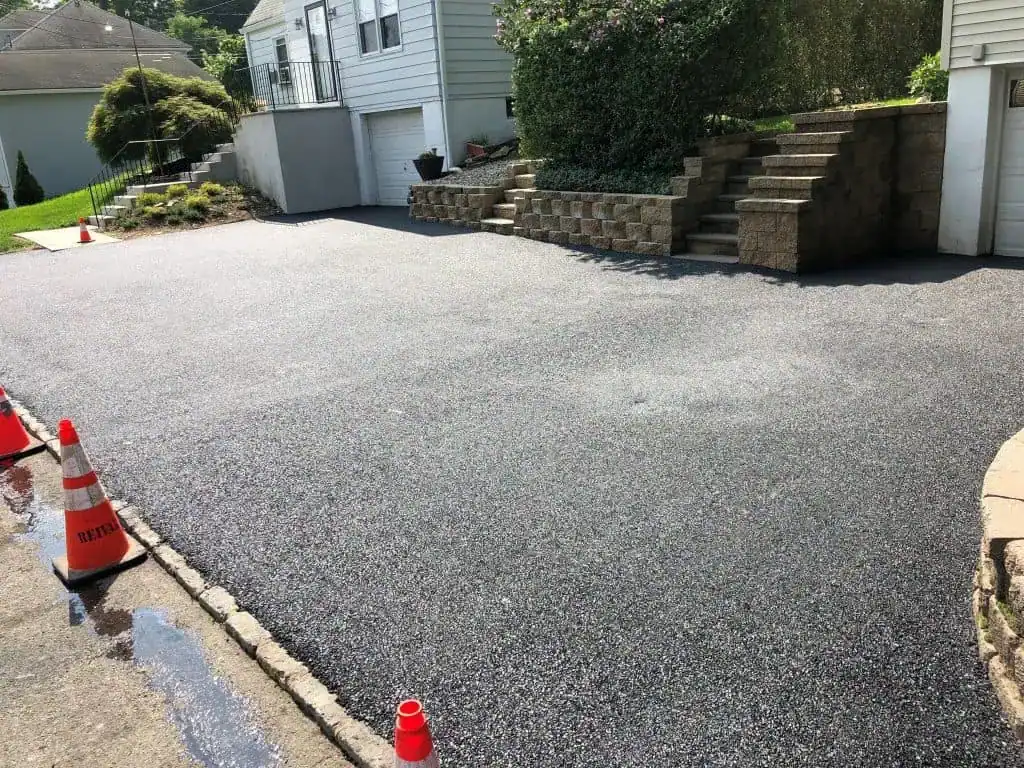
Every project starts with proper site preparation. We evaluate the existing surface, grade it correctly, and prepare it for the new asphalt. Poor preparation causes most paving failures, so this step matters more than anything else.
Next comes the base layer – compacted stone that provides the foundation your asphalt needs. The thickness and material depend on your specific traffic load and soil conditions. No shortcuts here.
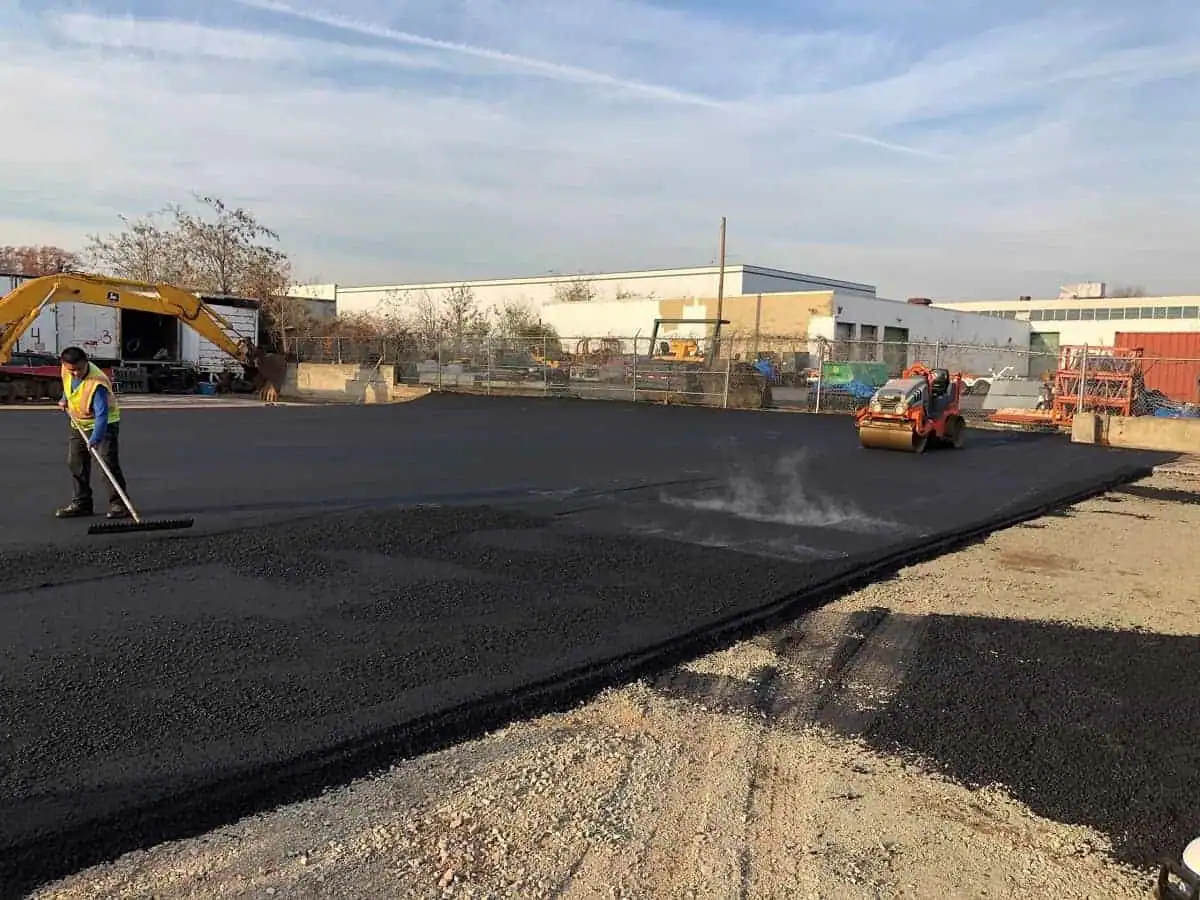
Finally, hot asphalt gets laid, leveled, and compacted while it’s still workable. Timing matters because asphalt has a narrow window where it can be properly finished. The result is smooth, durable pavement that handles whatever you throw at it.
Ready to get started?
Our complete asphalt paving services include site evaluation, proper grading, base preparation, and professional installation. You also get realistic timelines and clear communication about what to expect during the process.
Plumbsock properties face specific challenges from the local climate and soil conditions. We account for drainage patterns, frost depth, and traffic loads specific to your location. This isn’t one-size-fits-all work.
Our service includes proper edge work, compaction, and finishing that prevent common problems like edge cracking and surface irregularities. You get pavement designed to last, not just look good on installation day.

Most residential driveways take 1-2 days from start to finish, depending on size and complexity. Commercial projects vary based on square footage and site conditions.
The actual paving happens quickly once preparation is complete. Site prep usually takes the most time because it has to be done right. Weather can affect scheduling since asphalt needs specific temperature conditions for proper installation.
You can typically drive on new asphalt within 24-48 hours, but heavy loads should wait about a week. The surface continues to cure and harden over the first few months.
Poor base preparation causes most cracking problems. When the foundation isn’t stable, the asphalt above it will crack as the base shifts and settles.
Water infiltration is another major cause. Proper grading and drainage prevent water from pooling under the asphalt where it can cause freeze-thaw damage. Edge sealing also prevents water from getting under the pavement from the sides.
Using the right asphalt thickness for your traffic load prevents stress cracking. Residential driveways need different specifications than commercial parking lots or heavy truck areas.
Asphalt paving typically costs $3-7 per square foot depending on thickness, site conditions, and project size. Larger projects usually cost less per square foot than small residential driveways.
The total cost includes excavation, base material, asphalt, and labor. Sites that need significant grading or have drainage issues will cost more than simple overlay projects.
Getting multiple quotes helps, but the lowest price often means corners will be cut somewhere. Proper base preparation and adequate asphalt thickness cost more upfront but save money long-term.
Late spring through early fall provides the best conditions for asphalt installation. Temperatures need to be consistently above 50°F for proper compaction and curing.
Hot summer days can actually be challenging because the asphalt stays workable longer, making it vulnerable to damage from traffic or equipment. Moderate temperatures in spring and fall often provide ideal working conditions.
Winter paving is possible but requires special considerations and may cost more. Emergency repairs can be done year-round, but planned installations work best when scheduled during favorable weather.
Seal coating every 2-3 years protects the surface from water, UV rays, and chemicals. This simple maintenance step can double the life of your asphalt.
Keep the surface clean and address small cracks quickly before they become bigger problems. Water that gets into cracks will freeze and expand, making small issues into major repairs.
Avoid heavy loads on hot days when the asphalt is soft. Don’t let vehicles sit in the same spot for extended periods, especially during the first year when the asphalt is still curing.
Paving over existing surfaces is possible if the base is structurally sound and properly prepared. The existing pavement needs to be stable, clean, and graded correctly for drainage.
Concrete bases often work well for asphalt overlays if they’re not cracked or settling. Existing asphalt can be overlaid if it’s not too deteriorated and the drainage is adequate.
Sometimes complete removal and replacement is more cost-effective than trying to overlay damaged pavement. A site evaluation determines which approach makes sense for your specific situation.