

Hear from Our Customers
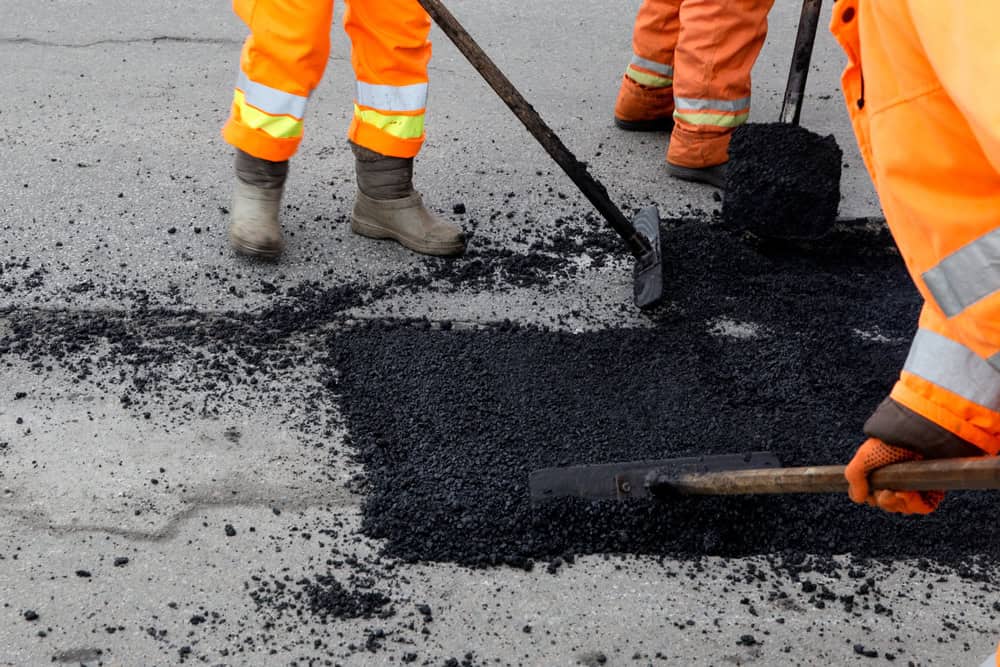
Your driveway stops being an embarrassment and starts adding real value to your property. No more worrying about visitors navigating potholes or water pooling against your foundation.
You get smooth, even surfaces that actually complement your home instead of detracting from it. The kind of driveway that makes neighbors curious about who did the work.
Your investment pays off year after year because we use materials and methods that stand up to New Jersey’s brutal freeze-thaw cycles and summer heat.
Platinum Paving has been serving New Jersey property owners for over 20 years. We’re the family-owned paving contractor that understands what works in this climate and what doesn’t.
Our crew knows Morris County’s soil conditions, drainage challenges, and weather patterns. That knowledge goes into every project, whether it’s a residential driveway or commercial parking lot.
We’re fully licensed, insured, and BBB accredited with an A+ rating. More importantly, we guarantee our work because we know it will hold up.
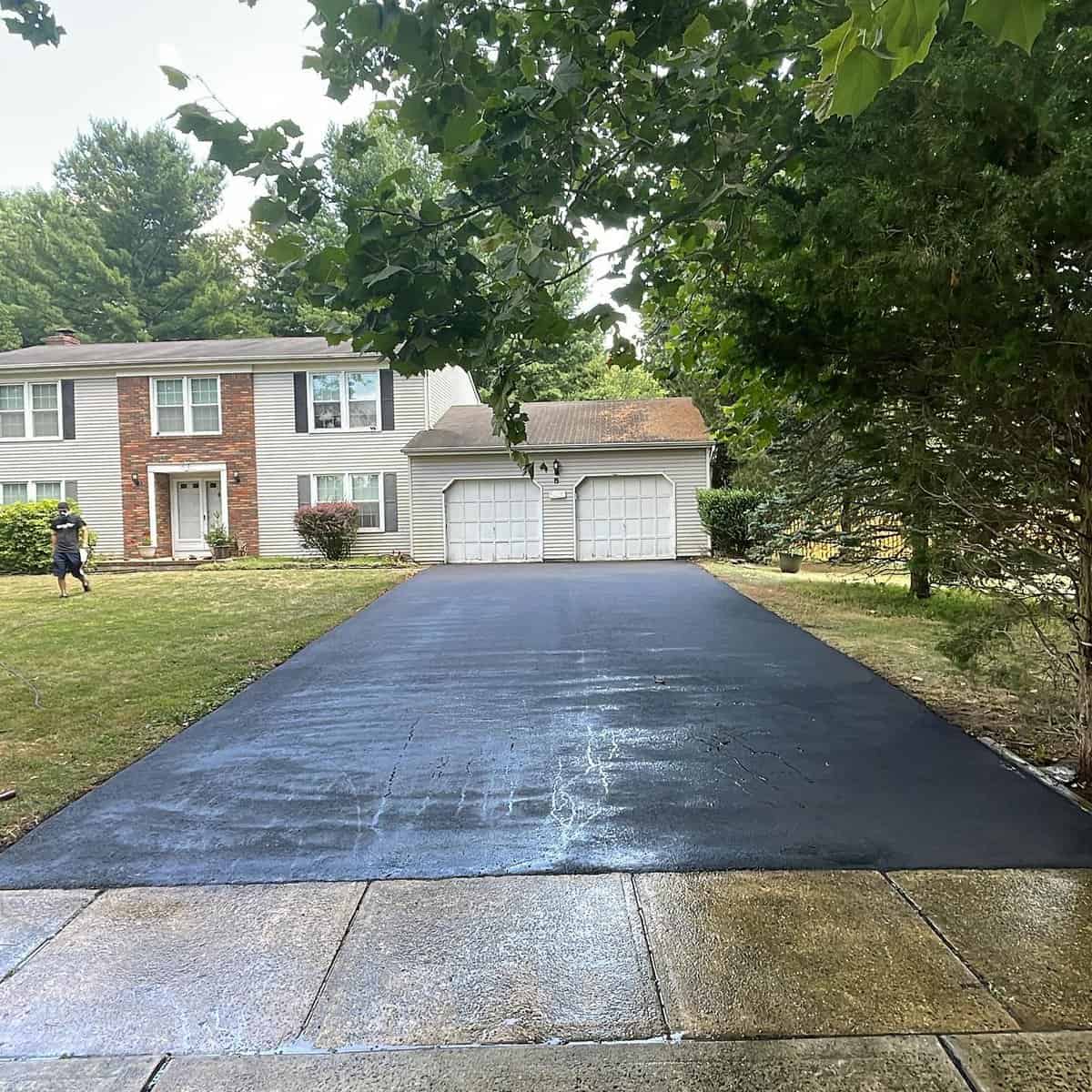
We start with a site assessment to understand your property’s specific needs and drainage requirements. No guesswork about what materials or methods will work best for your situation.
Next comes proper preparation – removing old surfaces, grading, and creating the foundation that determines how long your new pavement will last. This step separates contractors who care about quality from those just trying to get jobs done fast.
Finally, we install your new asphalt or concrete using commercial-grade materials and professional equipment. You get upfront pricing, clear timelines, and regular updates throughout the process.

Ready to get started?
We handle both residential and commercial paving projects across Kampe and Morris County. From single-family driveways to multi-unit parking lots, shopping centers, and office complexes.
Our services include new asphalt installation, concrete work, resurfacing, repairs, and sealcoating. We also handle drainage solutions and ADA compliance requirements for commercial properties.
Local property owners choose us because we understand New Jersey’s unique challenges – from heavy snow loads to summer heat that can soften inferior asphalt. Every project gets materials and techniques proven to perform in this environment.

A properly installed asphalt driveway in New Jersey typically lasts 15-20 years with basic maintenance, and up to 25-30 years with regular sealcoating and prompt crack repairs. The key is proper installation from the start.
New Jersey’s freeze-thaw cycles are particularly hard on pavement, so the foundation and drainage work matter more here than in milder climates. We use thicker base layers and ensure proper water runoff to prevent the frost heaving that destroys many driveways within 5-10 years.
Your driveway’s lifespan also depends on traffic load and maintenance. Regular sealcoating every 2-3 years protects against water infiltration and UV damage, significantly extending the surface life.
Asphalt costs less upfront, handles freeze-thaw cycles better, and can be repaired more easily. Concrete lasts longer, handles heavy loads better, and offers more design options but costs significantly more initially.
For most New Jersey homeowners, asphalt makes more sense. It’s more flexible in cold weather, so it’s less likely to crack from frost movement. When repairs are needed, asphalt patches blend better with the existing surface.
Concrete works well for decorative applications or areas with extremely heavy vehicles, but it requires more careful installation and can develop unsightly cracks if the ground shifts. Both materials need proper drainage and foundation work to perform well long-term.
Asphalt driveway installation typically runs $3-7 per square foot depending on site conditions, thickness requirements, and access challenges. A typical residential driveway ranges from $2,500-8,000 for complete replacement.
Concrete costs roughly double that amount but lasts longer. The final price depends heavily on excavation needs, drainage requirements, and existing surface removal. Properties with poor drainage or unstable soil require additional foundation work.
We provide detailed written estimates that break down all costs upfront. No surprises or hidden charges after we start work. The investment makes sense when you consider quality paving adds significant value to your property and eliminates ongoing repair headaches.
Late spring through early fall offers the best conditions for asphalt paving in New Jersey. We typically schedule most projects between April and October when temperatures consistently stay above 50 degrees.
Asphalt needs warm weather to cure properly and achieve maximum durability. Cold weather installation can result in poor compaction and premature failure. However, we can handle emergency repairs year-round when necessary.
Concrete has a longer installation season since it doesn’t require the same temperature sensitivity, but it still needs protection from freezing during the first few days after placement. Planning ahead and booking during shoulder seasons often saves money and ensures better scheduling flexibility.
Most driveway replacement projects in Kampe don’t require permits if you’re staying within the existing footprint and not changing drainage patterns. However, expanding your driveway or altering stormwater runoff typically requires municipal approval.
New Jersey municipalities have varying requirements, so we check local regulations for every project. Some towns require permits for any paving work, while others only regulate projects that affect public right-of-way or drainage systems.
We handle permit research and applications when needed as part of our service. It’s always better to check beforehand than deal with code enforcement issues later. Most permits are straightforward and add minimal time to project scheduling.
Sealcoat your driveway every 2-3 years to protect against water infiltration and UV damage. Fill cracks promptly before they allow water to reach the foundation layer. Avoid heavy vehicles during extremely hot weather when asphalt is soft.
Keep the surface clean of oil spills, which break down asphalt binders over time. Use a stiff brush and degreasing detergent for fresh spills. For older stains, commercial asphalt cleaners work better than household products.
Edge maintenance matters too – keep grass and weeds from growing against the pavement edges where they can trap moisture and cause deterioration. Proper drainage maintenance prevents water from pooling and extends your driveway’s life significantly. We provide detailed maintenance guidelines with every installation.