Summary:
How Sussex County Winter Weather Destroys Your Asphalt
You already know New Jersey winters are tough on everything exposed to the elements. Your driveway takes the worst of it. Sussex County’s location creates a perfect storm of destructive conditions that most property owners don’t fully understand.
Near Lake Hopatcong, temperature swings happen more frequently than inland areas. Water seeps into tiny cracks during the day, then freezes solid overnight. Ice takes up 9% more space than water – enough force to split rock, let alone asphalt.
This happens dozens of times each winter, turning hairline cracks into major structural problems by spring.
Why Freeze-Thaw Damage Hits Franklin and Stanhope So Hard
The freeze-thaw cycle sounds simple, but its effects compound rapidly in our climate. When water freezes in asphalt cracks, it generates thousands of pounds of pressure per square inch. Your driveway literally gets pushed apart from the inside.
What makes Sussex County particularly challenging is how often temperatures hover around freezing. We don’t get the consistent cold that keeps everything frozen solid, or the warmth that keeps everything liquid. Instead, we get the worst possible scenario – constant cycling between freeze and thaw.
Properties near Stanhope and the lake areas see this effect amplified. The water moderates temperature swings, creating more frequent freeze-thaw events than areas just a few miles away. If you’ve noticed your neighbors closer to the lake dealing with more driveway problems, this is why.
Each cycle makes existing cracks larger and creates new entry points for water. By February, what started as invisible surface cracks have become obvious structural problems. By April, you’re looking at repair bills that could have been prevented with a simple fall sealcoating application.
Salt Damage: The Hidden Threat to Your Asphalt Investment
Road salt keeps you safe during winter storms, but it’s slowly destroying your unsealed driveway. Sodium chloride doesn’t just melt ice and disappear – it penetrates porous asphalt and begins breaking down the petroleum binders that hold everything together.
Salt also attracts moisture, keeping your pavement wet longer and creating more opportunities for freeze damage. The chemical reaction accelerates oxidation, turning your black asphalt gray and brittle. You’ve seen this on older driveways around Franklin – that weathered, crumbling appearance signals advanced deterioration.
Commercial properties face additional challenges from ice melt products tracked in by customers and delivery vehicles. Business parking lots often show severe salt damage near entrances where foot traffic concentrates these chemicals.
Many property owners unknowingly make the problem worse by using rock salt or calcium chloride on their own driveways. These products work great for melting ice, but they’re devastating to unprotected asphalt. Professional sealcoating creates a barrier that blocks chemical penetration while still allowing effective ice melting on the surface.
The damage isn’t always obvious until it’s extensive. Salt-damaged asphalt becomes increasingly porous, absorbing more water and chemicals in a destructive cycle. Once this process reaches a certain point, patching becomes ineffective and complete replacement becomes the only option.
Want live answers?
Connect with a Platinum Paving expert for fast, friendly support.
Sealcoating Creates a Protective Barrier Against Winter Damage
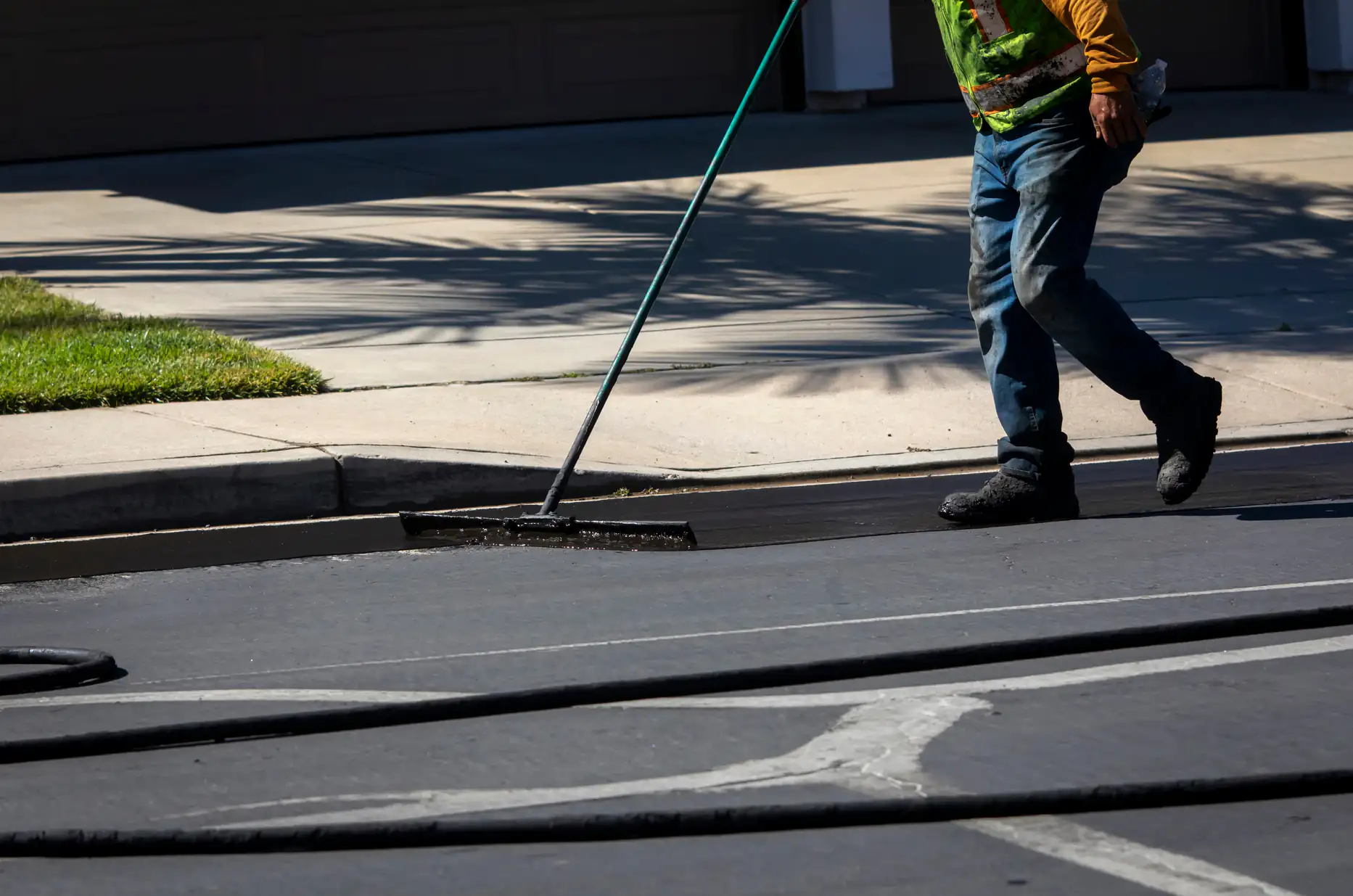
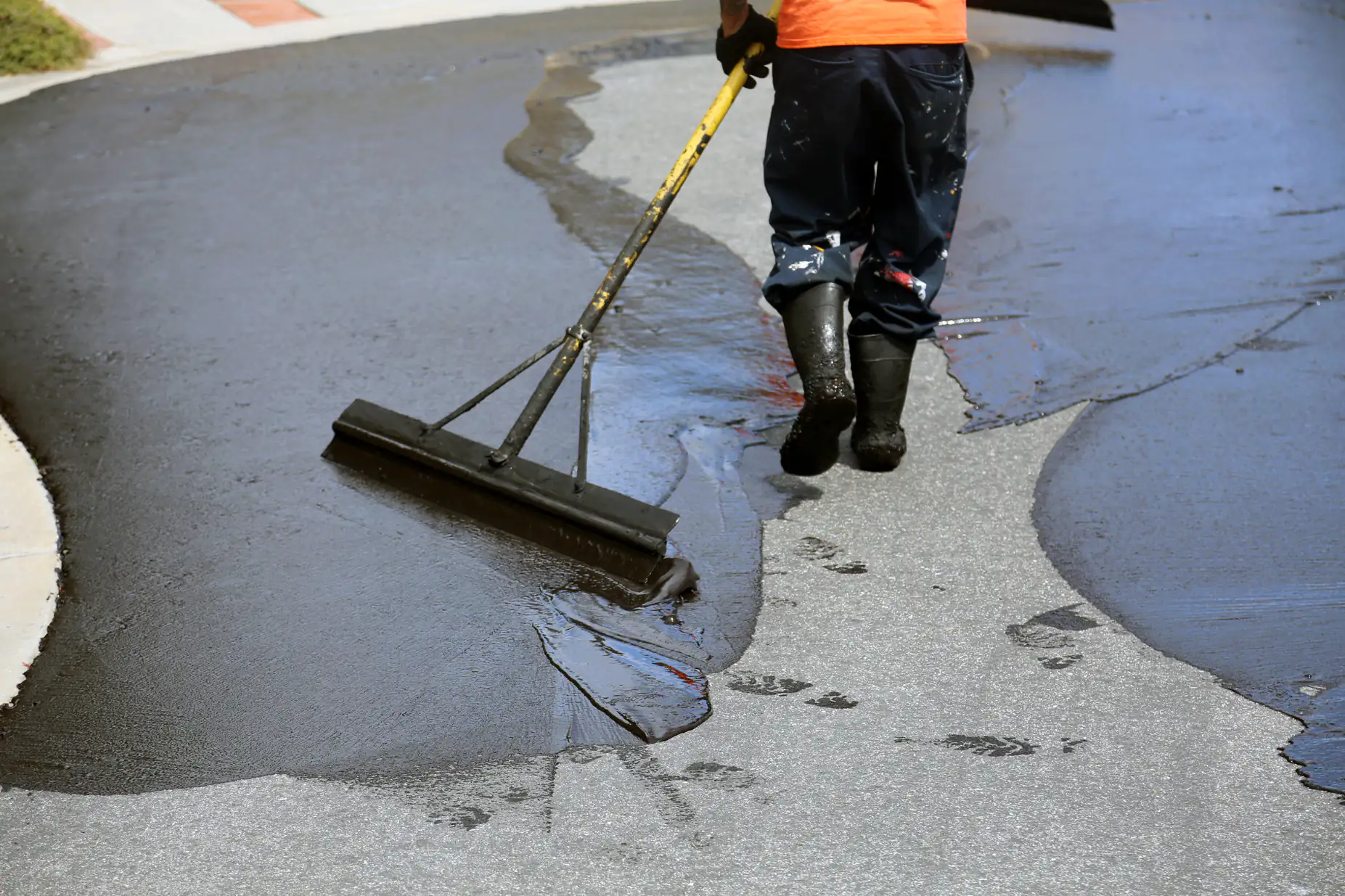
Professional asphalt sealing addresses every major winter threat your driveway faces. The protective coating creates a waterproof barrier that prevents moisture infiltration, blocks chemical penetration, and provides a smooth surface that resists physical damage.
Quality sealcoating fills surface pores and minor cracks, essentially creating a new protective skin over your existing asphalt. When properly applied, it transforms porous pavement into a surface that sheds water, ice, and chemicals rather than absorbing them.
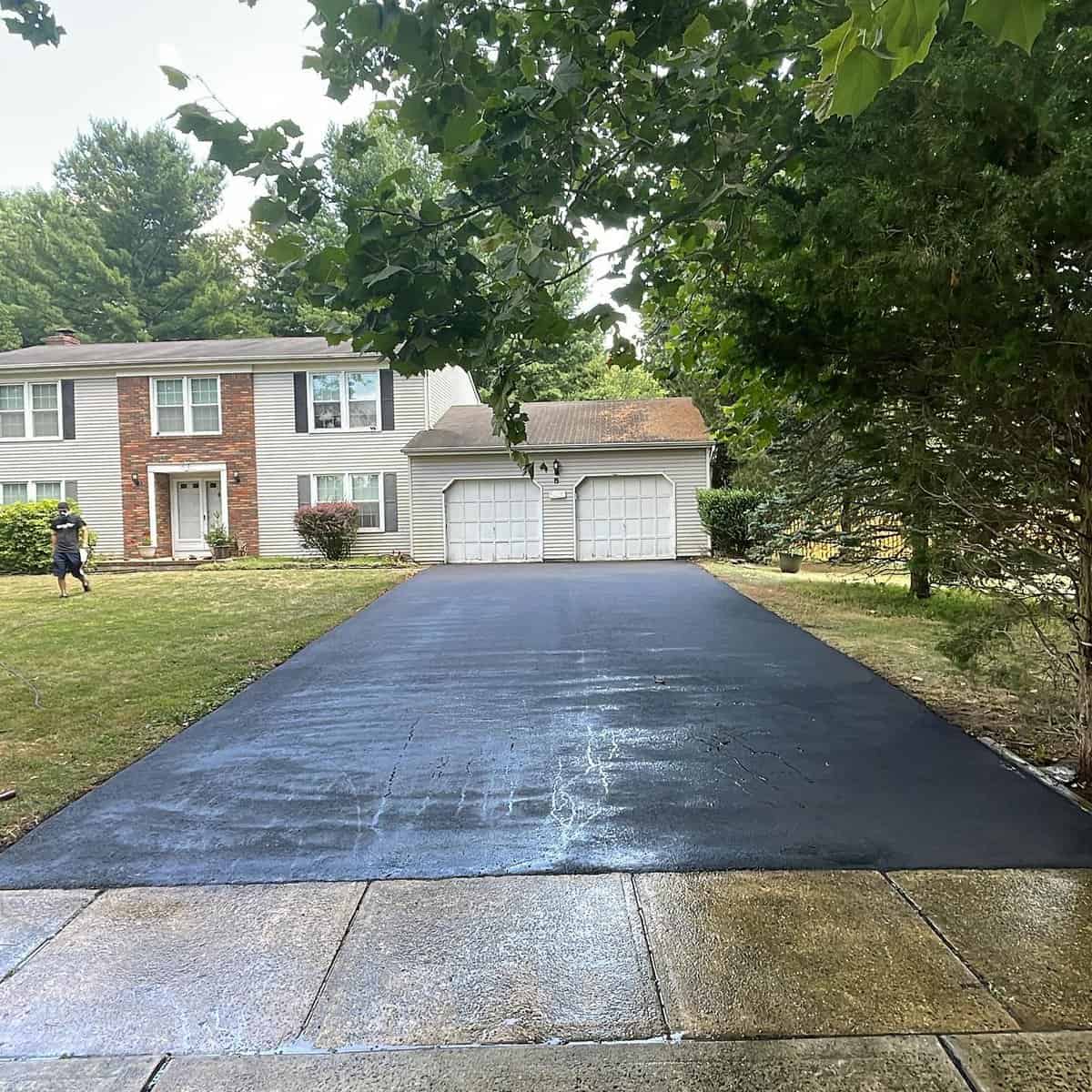
You’ll also notice the aesthetic benefits immediately – that rich black appearance that makes your property look professionally maintained and enhances curb appeal throughout the winter months.
Protection From Snowplow Scraping and Equipment Damage
Even experienced plow operators occasionally scrape pavement, especially during heavy storms with poor visibility. Unsealed asphalt is particularly vulnerable because weather exposure has already weakened the surface and loosened aggregate particles.
Fresh sealcoating creates a tougher, more resilient surface that better withstands contact with plow blades, snow shovels, and removal equipment. The smooth finish helps plows glide over the surface instead of catching on rough spots or gouging soft asphalt.
This protection becomes especially valuable if you hire professional snow removal services. Commercial properties in the Franklin area that depend on plow contractors see significant surface damage each winter. A properly sealed parking lot maintains its integrity even under aggressive snow removal operations.
Think about the economics. Surface damage from plows often requires spring patching or resurfacing – repairs that can cost hundreds or thousands depending on severity. Preventive sealcoating typically costs a fraction of these repair expenses while providing protection that lasts multiple seasons.
The difference becomes obvious when you compare sealed and unsealed surfaces after a harsh winter. Sealed asphalt emerges largely intact, while unprotected pavement shows scrapes, gouges, and aggregate loss that compromise both appearance and structural integrity.
Long-Term Savings and Property Value Protection
The financial case for sealcoating becomes clear when you consider replacement costs. Complete driveway reconstruction in Sussex County runs $4-8 per square foot depending on size and access. Professional sealcoating costs under $0.75 per square foot and provides 2-3 years of protection.
Property values benefit significantly from well-maintained asphalt surfaces. Real estate professionals consistently report that damaged driveways and parking areas hurt buyer interest and reduce property valuations. Cracked, stained pavement suggests deferred maintenance and creates negative first impressions.
For commercial properties, the stakes are higher. Customers associate pavement condition with business quality and attention to detail. A cracked, pothole-filled parking lot drives away potential customers before they even reach your door.
The key insight: preventive maintenance costs far less than reactive repairs. Sussex County property owners who establish regular sealcoating schedules typically see their asphalt last 15-20 years or more. Those who skip maintenance often need complete replacement within 8-12 years.
Smart property managers also appreciate predictable maintenance budgets. Scheduled sealcoating is a known expense you can plan for. Emergency repairs create unexpected costs that disrupt financial planning and often come at the worst possible times.
Schedule Sealcoating Now Before Winter Weather Arrives
Sealcoating requires specific conditions to cure properly – temperatures above 50°F for 24-48 hours with no precipitation. Once winter arrives in Sussex County, these conditions become impossible to guarantee until spring.
Emergency repairs can be made with specialized cold-weather materials, but preventive sealcoating must wait for proper weather. By then, winter damage has already occurred and you’re paying repair costs instead of prevention expenses.
Property owners who act now, before the first snow hits Franklin, Stanhope, and Hopatcong, give their asphalt maximum protection against the coming winter. Those who wait will spend spring dealing with damage instead of enjoying a protected investment. We’re here to help protect your property from costly winter damage with professional sealcoating services.