
Hear from Our Customers
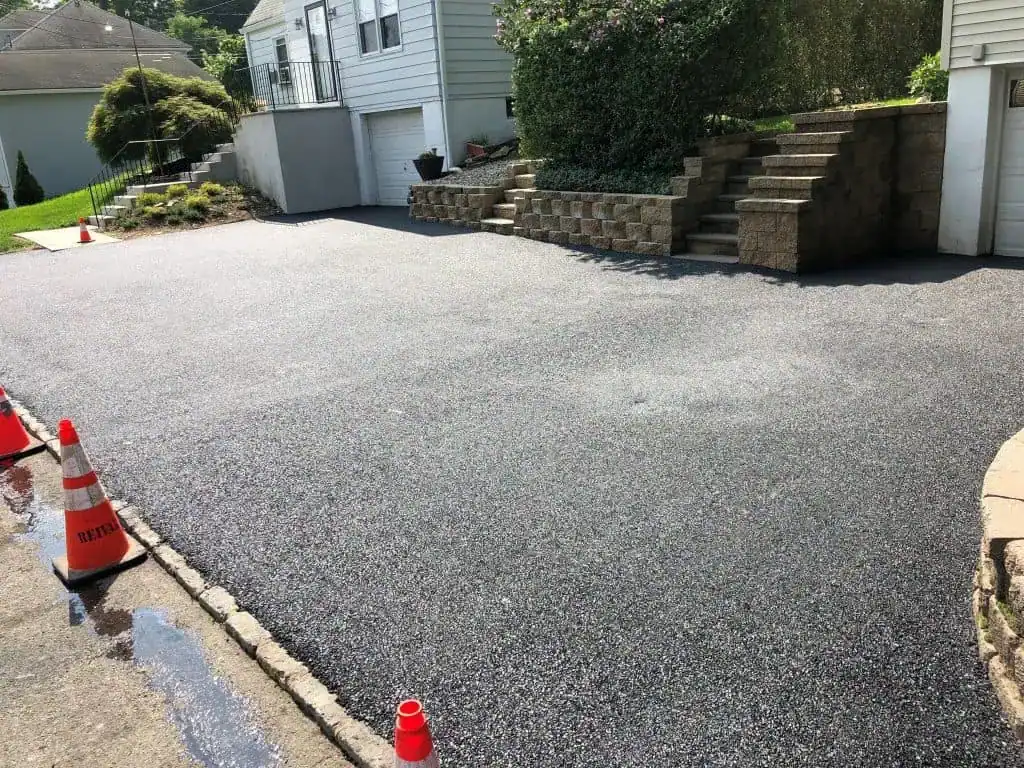
You want a driveway that doesn’t become your weekend project every spring. Our asphalt paving in Pleasantview, NJ creates surfaces that handle whatever New Jersey throws at them—from scorching July heat to February ice storms.
When we’re done, you get smooth access to your property, better curb appeal, and the peace of mind that comes from working with licensed professionals who’ve been doing this for over 20 years. No surprise repairs. No callbacks. Just solid pavement that works.
Platinum Paving has been handling asphalt projects in Pleasantview and throughout Morris County for more than two decades. We understand what works here and what doesn’t.
While other contractors treat every job the same, we know that Pleasantview’s climate demands specific techniques and materials. That’s why we use quality asphalt mixes designed for our freeze-thaw cycles and proper base preparation that prevents the settling issues that plague so many local driveways.
You’re not just getting pavement—you’re getting local expertise that protects your investment.
We start with proper site evaluation and preparation—the foundation that determines whether your asphalt lasts 5 years or 20. This means excavating weak soil, establishing correct drainage grades, and installing compacted aggregate base layers.
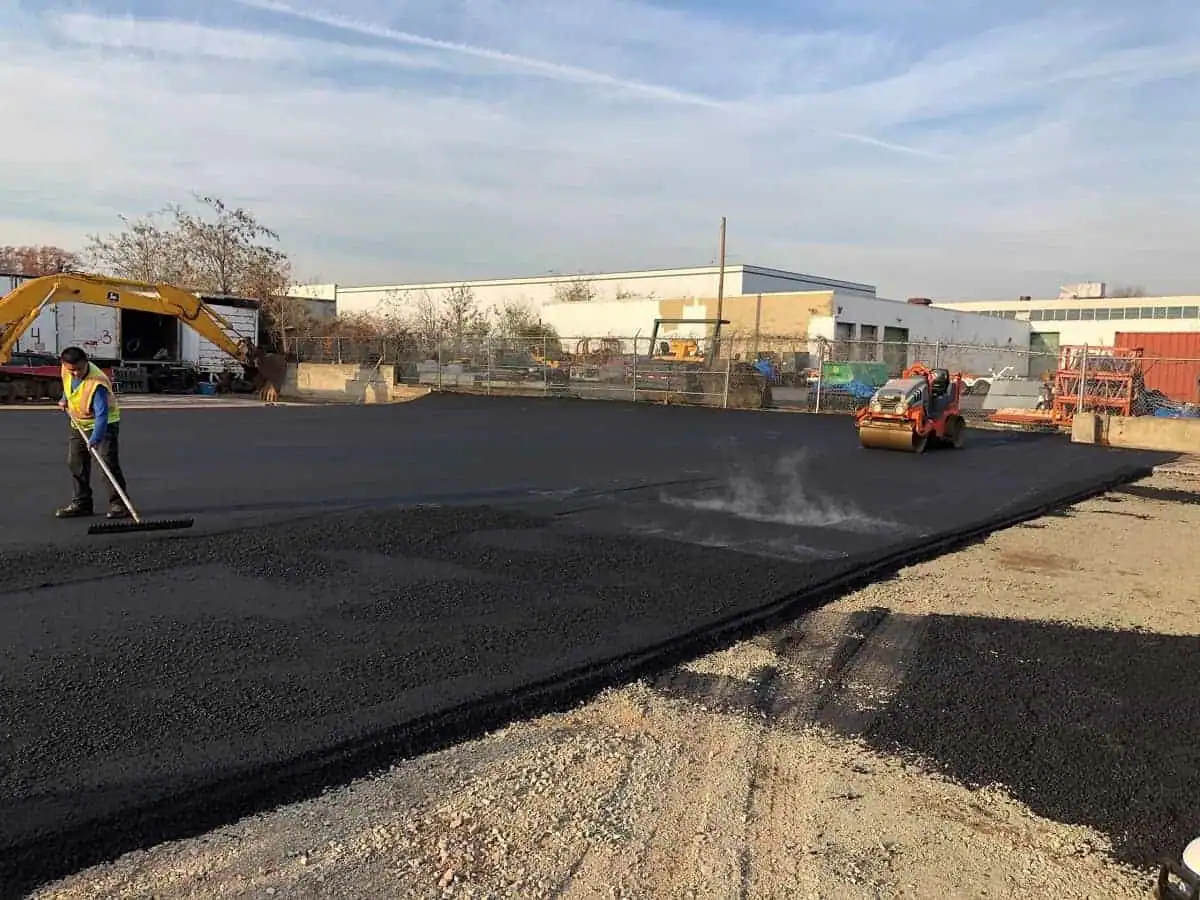
Next comes the asphalt application using specialized paving equipment that distributes the hot mix evenly at the right thickness. Our crews use heavy vibratory rollers for proper compaction, which is critical for durability in New Jersey’s climate.
Most residential projects in Pleasantview complete in one day. You’ll need to stay off the new surface for 72 hours while it cures, but after that, you’re looking at decades of reliable service with basic maintenance.
Ready to get started?
Our asphalt paving services in Pleasantview include complete driveway installation, parking lot construction, and surface repairs. We handle everything from initial excavation to final cleanup, so you don’t coordinate multiple contractors.
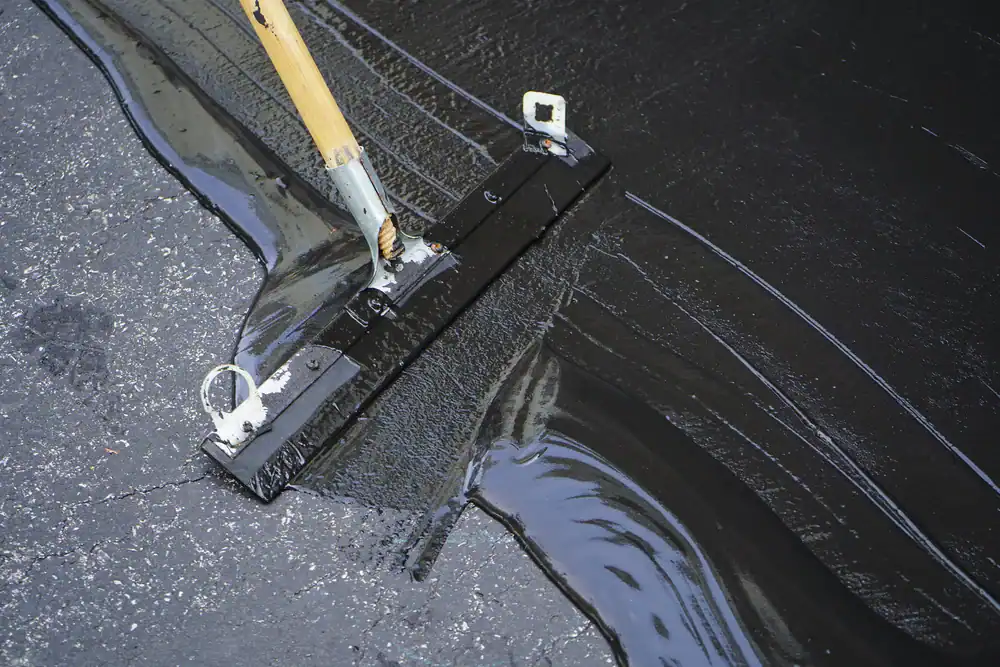
Every project gets proper base preparation, quality asphalt mix suited for local conditions, and professional-grade equipment application. We also provide sealcoating services to extend your pavement’s life and maintain that fresh, dark appearance that enhances your property value.
For Pleasantview properties, we pay special attention to drainage considerations since standing water is one of the fastest ways to damage asphalt. Our team grades surfaces properly to direct water away from structures and prevent the pooling that leads to premature deterioration.

New asphalt paving typically lasts 15-20 years in New Jersey with proper installation and maintenance. The key factors are using the right asphalt mix for our climate and ensuring proper base preparation.
Pleasantview’s freeze-thaw cycles can be tough on pavement, but quality asphalt is designed to expand and contract with temperature changes. Regular maintenance like sealcoating every 2-3 years and prompt crack repair helps maximize lifespan. Poor installation or cheap materials might only last 5-8 years, which is why choosing experienced contractors matters.
Late spring through early fall offers the best conditions for asphalt paving in Pleasantview, NJ. Warmer temperatures help the asphalt stay pliable during installation and allow proper curing for maximum durability.
We can handle projects during cooler months using specialized techniques and materials, but ideal results come when ambient temperatures are consistently above 50°F. Summer installations cure faster, though we schedule around extreme heat days when asphalt can become too soft. Planning your project for May through October gives you the best combination of weather conditions and contractor availability.
Prevention starts with proper base preparation—the most critical step that many contractors skip. We excavate weak soil, establish correct drainage grades, and install compacted aggregate layers that prevent shifting and settling.
We also use asphalt mixes specifically designed for New Jersey’s climate conditions. Regular maintenance like sealcoating protects against water infiltration, UV damage, and oxidation—the main causes of premature deterioration. Addressing small cracks immediately prevents them from becoming major problems that require expensive repairs.
Most residential asphalt paving projects in Pleasantview complete in one day. We start with site preparation, which includes excavation, grading, and base installation. Then we apply the hot asphalt mix using professional paving equipment and compact it with heavy rollers.
You’ll need to avoid driving on the new surface for 72 hours while it cures, though you can walk on it after about 24 hours. We clean up all debris and excess materials before considering the job complete. The entire process is designed to minimize disruption to your daily routine while ensuring professional results.
Asphalt paving costs vary based on project size, site conditions, and thickness requirements. Key factors include the area to be paved, current surface condition, drainage needs, and the type of asphalt mix used.
A typical residential driveway project in Pleasantview ranges from moderate to higher investment depending on complexity, but asphalt remains more cost-effective than concrete or pavers. We provide detailed estimates that break down all costs upfront—no surprises or hidden fees. The long-term value comes from durability and lower maintenance requirements compared to other paving materials.
We handle both new asphalt installations and repairs for Pleasantview properties. Repair services include pothole patching, crack sealing, surface restoration, and overlay applications for existing pavement that’s structurally sound.
Sometimes repair makes more financial sense than full replacement, especially for newer surfaces with localized damage. We assess each situation honestly and recommend the most cost-effective solution. Our repair work uses the same quality materials and techniques as new installations, ensuring lasting results that blend seamlessly with existing pavement.