
Hear from Our Customers
You need asphalt that won’t crack apart after the first winter or develop those annoying water pools that never dry. That means proper compaction, the right mix design for New Jersey’s temperature swings, and a base that’s built correctly from day one.
Most contractors rush through the compaction process or use whatever asphalt mix is cheapest. We use heavy rollers to achieve the target density your pavement needs. The result is a surface that resists water infiltration and handles the freeze-thaw cycles that destroy poorly installed asphalt.
Your driveway or parking lot becomes an asset that adds value to your property instead of a headache you’re constantly fixing.
We’ve been handling asphalt projects throughout Forsgate and the greater Morris County area for over two decades. We’re a family-owned company that understands what works in New Jersey’s climate.
We’ve seen what happens when contractors cut corners on base preparation or use substandard materials. That’s why we explain the “why” behind our recommendations instead of just giving you a number.
Our crew shows up when scheduled, completes the work properly, and stands behind it with a 5-year warranty. You’ll often find one of our owners on-site making sure every detail meets our standards.
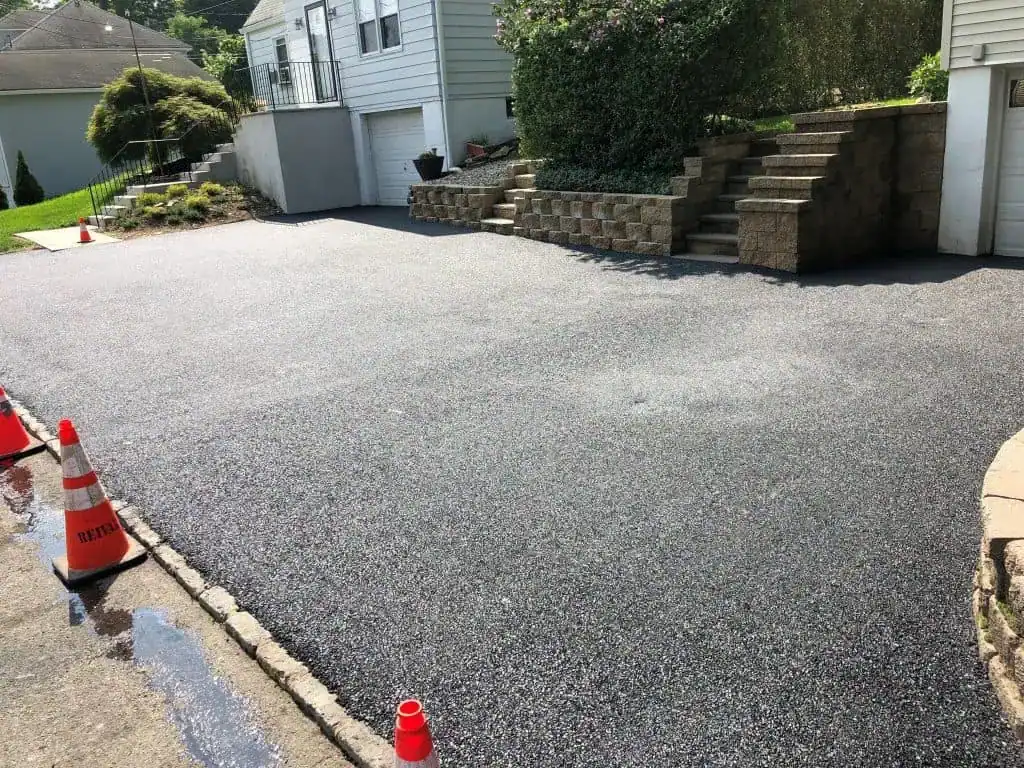
First, we assess your existing surface and drainage patterns to determine whether you need repair or complete replacement. We examine the base, look for distress patterns, and measure everything properly.
Next comes site preparation. We excavate any faulty material and construct a properly graded, compacted aggregate base. This foundation work determines how long your asphalt will last.
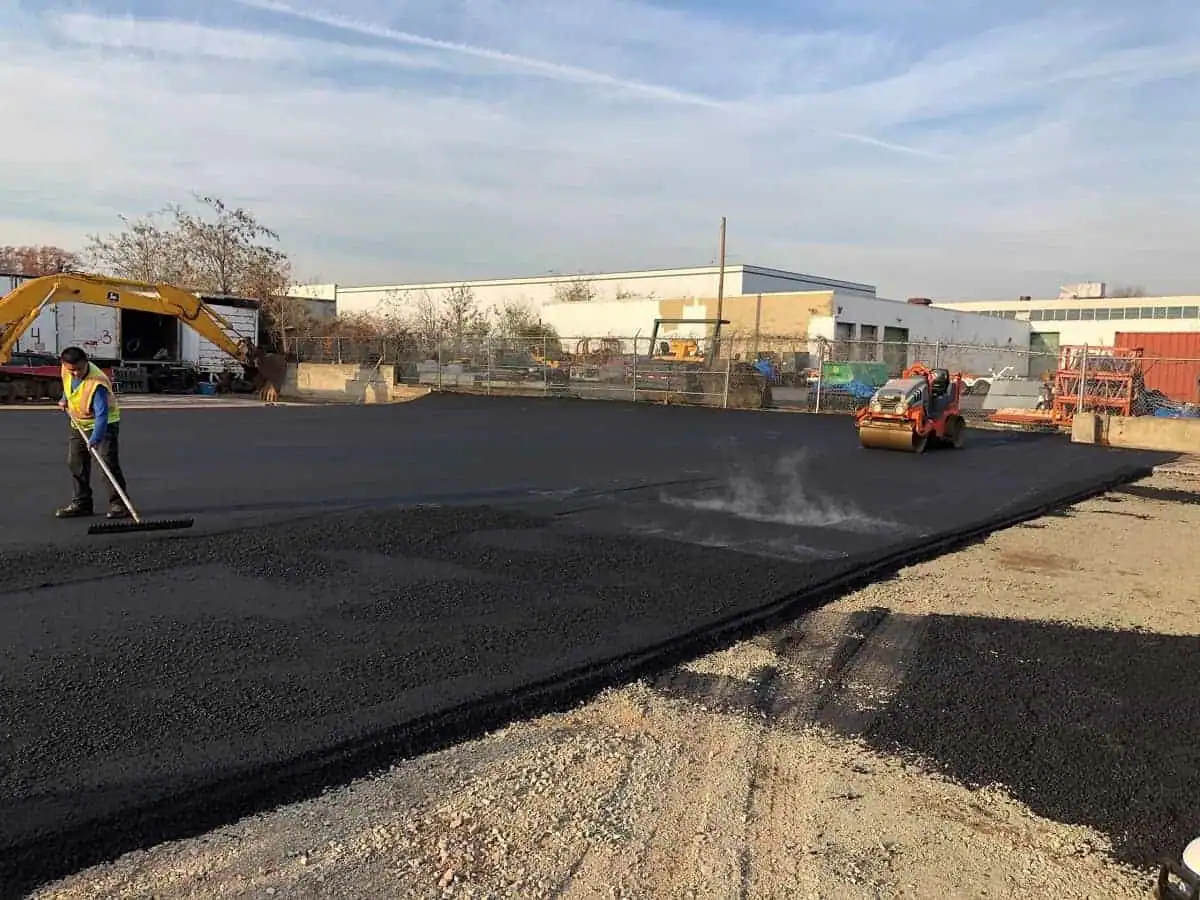
Then we apply hot mix asphalt using paving machines to meet the engineered thickness requirements. But the critical step is compaction – we use vibratory and static steel-wheeled rollers to press the asphalt particles together, reducing air voids and achieving the density your pavement needs to resist water and traffic damage.
Ready to get started?
We handle both residential driveways and commercial parking lots throughout Forsgate. Our asphalt paving services include new installation, resurfacing, and repairs using mix designs specifically selected for New Jersey’s temperature variations.
For Forsgate properties, we pay special attention to drainage since water infiltration is the biggest threat to asphalt longevity in our climate. We also factor in the local soil conditions and typical traffic patterns when designing your pavement structure.
Every project includes proper base preparation, quality hot mix asphalt application, and the compaction process that most contractors rush through. We also handle permits when required and coordinate with local requirements to keep your project moving smoothly.

Most residential driveways in Forsgate take 1-2 days to complete, depending on size and site conditions. Day one typically involves excavation and base preparation if needed. Day two covers asphalt installation and compaction.
Commercial projects vary based on square footage and complexity. We’ll give you a realistic timeline upfront and stick to it. Weather can affect scheduling since we can’t install asphalt in rain or when temperatures drop too low.
The curing process continues after we finish, but you can typically drive on your new asphalt within 24-48 hours.
Repair works when you have isolated problem areas but the overall base and majority of the surface are still sound. We can patch holes, seal cracks, and address specific trouble spots.
Replacement becomes necessary when the base has failed, there’s extensive cracking throughout, or the existing asphalt has deteriorated beyond effective repair. Sometimes what looks like a surface problem is actually a base failure.
We examine the existing base, drainage patterns, and distress types to make this determination. If the base is compromised, repairs are just temporary fixes that waste your money.
Sealcoating is your main maintenance tool. We recommend sealing one year after installation, then every 2-3 years depending on traffic and weather exposure. This protects against UV rays, water penetration, and winter damage.
Address small cracks quickly before they let water reach the base. Clean oil stains promptly since petroleum products break down asphalt over time.
Avoid heavy loads on hot summer days when asphalt is softer. Keep drainage clear so water doesn’t pool on the surface.
Permit requirements vary by project scope and location within Forsgate. Simple driveway replacements often don’t require permits, but new installations or changes to drainage patterns might.
Commercial projects typically need permits, especially if they affect stormwater management or change traffic patterns. We’re familiar with local requirements and can handle permit applications when needed.
We’ll review your specific situation during our initial assessment and let you know what’s required. Getting permits right prevent delays and potential issues down the road.
Residential driveways typically range from $3-7 per square foot depending on thickness requirements, site conditions, and prep work needed. Commercial projects vary widely based on size and specifications.
The biggest cost factors are base preparation requirements and asphalt thickness. Poor drainage or unstable soil increases prep costs but skipping this work leads to premature failure.
We provide detailed estimates that break down material, labor, and prep costs so you understand exactly what you’re paying for. No surprises or change orders unless you request additional work.
We’ve been serving Forsgate and Morris County for over 20 years, so we understand local soil conditions, drainage challenges, and weather patterns. This experience helps us design asphalt that lasts.
You’ll typically find one of our owners on-site throughout your project, ensuring quality control from start to finish. We’re fully licensed and insured, and we back our work with a 5-year warranty.
Most importantly, we don’t cut corners on the compaction process or use substandard materials to hit a low price. We’d rather explain why quality costs a bit more than fix problems later.