
Hear from Our Customers
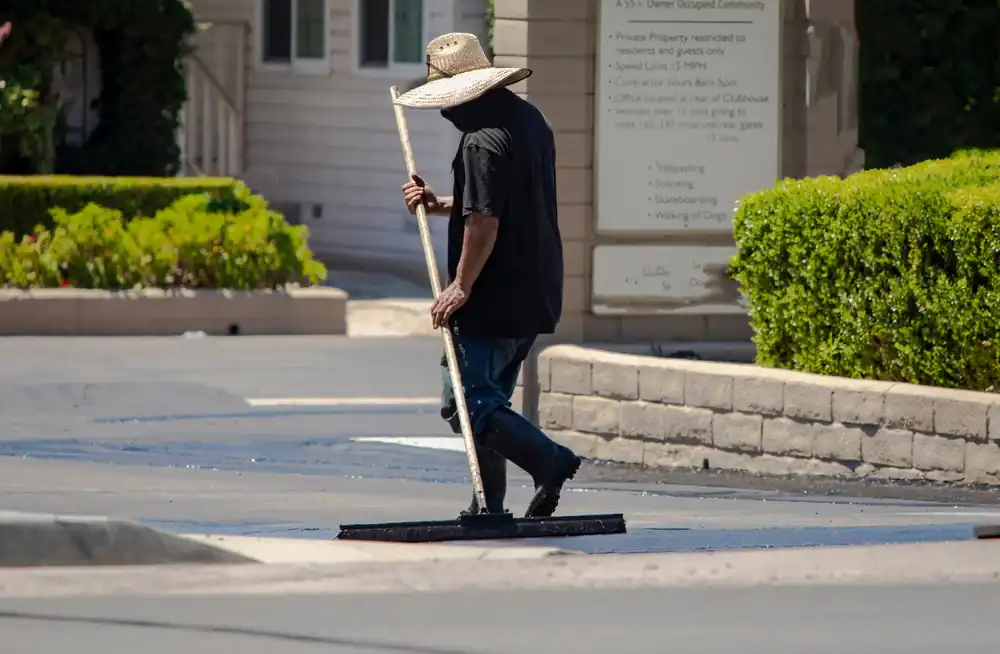
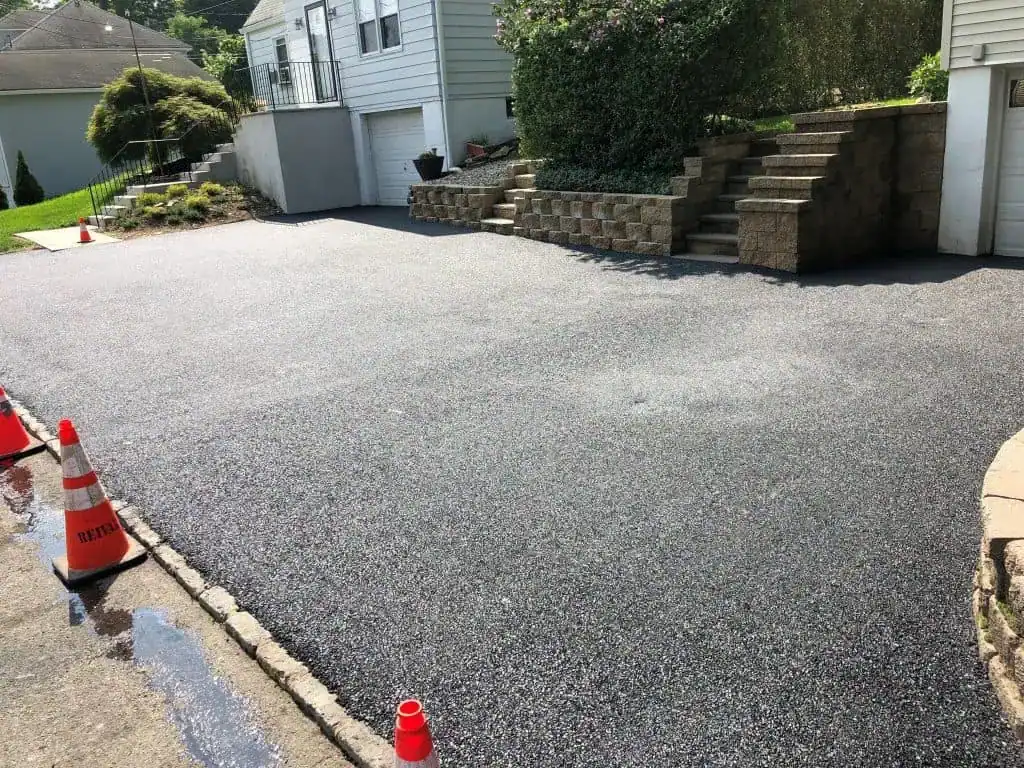
You get a smooth, even surface that handles New Jersey’s freeze-thaw cycles without cracking apart in two years. Your driveway drains properly instead of turning into a pond every time it rains.
The difference is in the foundation work most contractors skip. We excavate to proper depth, install the right base materials, and compact everything correctly. This means your asphalt stays level and crack-free for decades instead of needing repairs every few seasons.
Your property value increases, your curb appeal improves, and you stop worrying about whether your driveway will embarrass you or damage your car.
We’ve been serving Herberts and surrounding New Jersey communities for years, building our reputation on work that lasts and service you can count on.
We’re the contractors who show up when we say we will, finish projects on schedule, and stand behind our work with real warranties. Our crews live and work in this area, so our reputation depends on every job we complete.
You’ll find our previous customers throughout Herberts – homeowners and business owners who needed their paving done right the first time and chose contractors they could trust.
First, we excavate your existing surface to the proper depth – usually 8-12 inches depending on your soil conditions and intended use. Most problems start here when contractors cut corners on excavation depth.
Next comes base preparation with graded stone that’s compacted in lifts. This creates the foundation that prevents settling, cracking, and drainage issues. We use proper compaction equipment, not just hand tampers that leave soft spots.
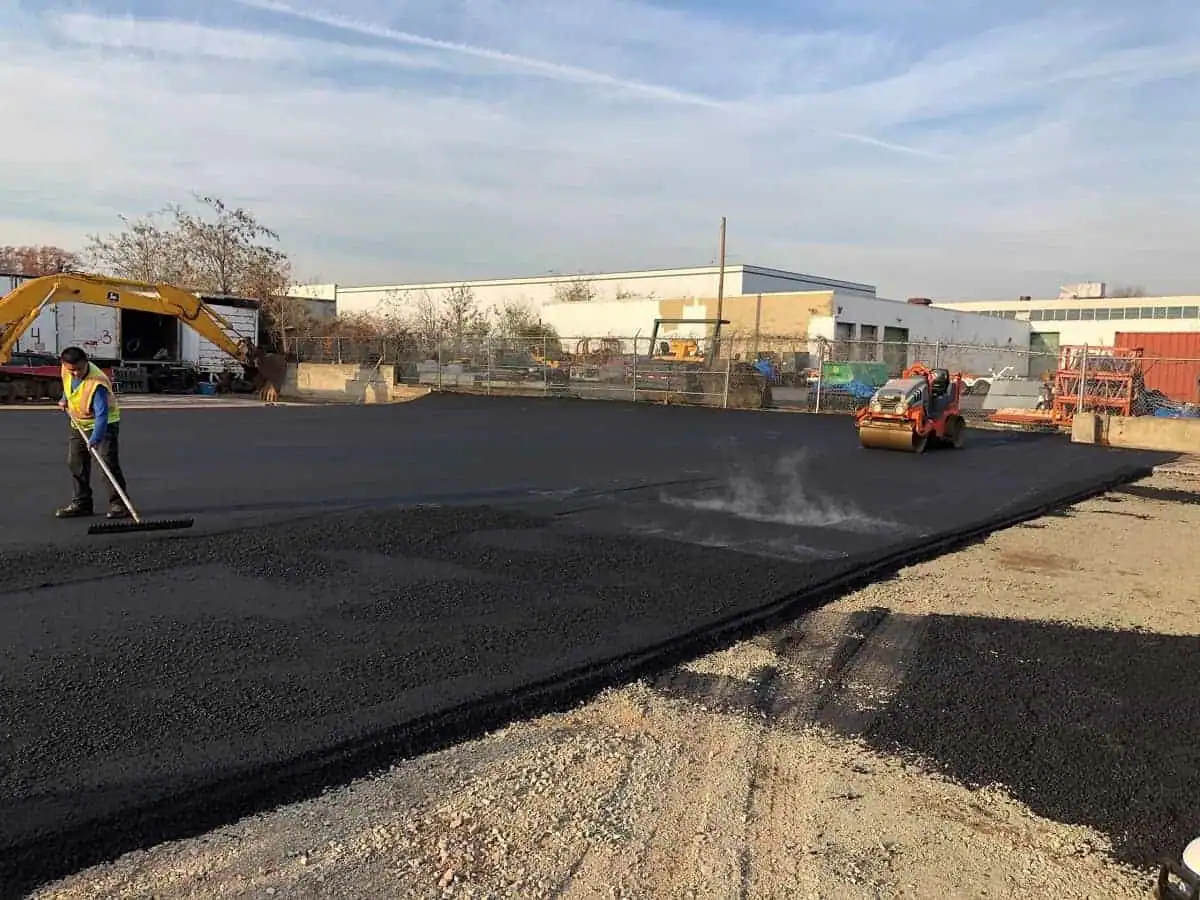
Finally, we install the asphalt in proper thickness – typically 2-3 inches for driveways, more for commercial applications. The asphalt gets compacted while hot to achieve maximum density and strength. Proper edge work and grading ensure water flows away from your property instead of pooling on the surface.
Ready to get started?
Every asphalt paving project includes complete excavation, proper base installation, and professional asphalt application with the right equipment. You get grading that directs water away from your foundation and edge work that prevents crumbling.
In Herberts, we deal with clay soils that expand and contract with moisture changes. Our base preparation accounts for these local soil conditions, using materials and techniques that work specifically in this area of New Jersey.
You also get cleanup of all debris, restoration of any landscaping we disturb, and a clear timeline for when you can drive on your new asphalt. Most residential driveways are ready for light traffic within 24 hours and full use within 48-72 hours, depending on weather conditions.

Most residential driveways take 1-2 days to complete, depending on size and complexity. Day one typically involves excavation and base preparation. Day two covers asphalt installation and finishing work.
Weather affects timing significantly. We won’t install asphalt when temperatures drop below 50 degrees or during rain, as this compromises the quality of the installation. In New Jersey’s climate, spring through fall provides the best conditions for asphalt work.
Larger commercial projects may take several days or weeks, depending on square footage and site access. We provide realistic timelines upfront and keep you informed of any weather-related delays.
Asphalt and blacktop are essentially the same material – a mixture of aggregate stones and bitumen binder. The terms are often used interchangeably, though “blacktop” typically refers to the surface layer you see.
The real difference is in installation quality. Proper asphalt paving requires correct base preparation, appropriate thickness for the intended use, and professional installation techniques. Poor installation creates problems regardless of what you call the material.
What matters most is working with contractors who understand proper excavation depth, base materials, compaction requirements, and local climate considerations. The material itself performs well when installed correctly by experienced asphalt contractors.
Residential driveway paving typically ranges from $3-7 per square foot, depending on site conditions, thickness requirements, and access challenges. A standard two-car driveway averages $2,500-5,000 for complete installation.
Costs vary based on excavation depth needed, base material requirements, and site accessibility. Properties requiring significant grading work or dealing with drainage issues cost more than straightforward replacements on level ground.
We provide detailed written estimates that break down excavation, base work, asphalt installation, and any additional services. This transparency helps you understand exactly what you’re paying for and compare quotes accurately between contractors.
Late spring through early fall provides optimal conditions for asphalt installation in New Jersey. We need air temperatures consistently above 50 degrees and dry weather for proper installation and curing.
Summer offers the most flexibility for scheduling, though extremely hot days can make working conditions challenging. Fall installation works well but requires careful timing before winter weather arrives.
Winter paving is possible during warm spells but not recommended for non-emergency work. Spring installation sometimes faces delays due to wet conditions and frost coming out of the ground. We recommend scheduling your project early in the season to ensure availability during peak paving weather.
Light vehicle traffic is typically safe after 24 hours, though we recommend waiting 48 hours when possible. Full curing takes several months, but your asphalt reaches sufficient strength for normal use within 2-3 days.
Avoid turning wheels while stationary, especially during the first week. The asphalt remains slightly soft and can scuff under heavy turning forces. Also avoid parking heavy vehicles or equipment on new asphalt for the first month.
Hot weather extends the softening period, while cooler temperatures allow earlier use. We provide specific guidance based on installation conditions and weather forecasts. Following these recommendations prevents surface damage and ensures your new asphalt performs as intended.
Poor base preparation causes most premature asphalt failures. Insufficient excavation depth, inadequate base materials, or improper compaction creates weak spots that lead to cracking, settling, and potholes within a few years.
Drainage problems accelerate deterioration significantly. Water that pools on the surface or underneath the asphalt weakens the base and creates freeze-thaw damage during winter months. Proper grading and drainage are essential for long-term performance.
Using asphalt that’s too thin for the application also causes early failure. Driveways need different thickness than parking lots or roadways. Experienced asphalt contractors specify appropriate thickness based on expected traffic loads and local soil conditions.