
Hear from Our Customers
You drive on smooth surfaces that don’t crack every winter. Your property value goes up instead of down because of a deteriorating driveway.
Water flows where it should instead of pooling near your foundation or creating ice hazards. You’re not calling contractors every spring to fix what should have lasted decades.
Most importantly, you’re done worrying about this problem. Quality asphalt paving means one investment that protects your property for 15-20 years with basic maintenance.
We’ve been handling asphalt paving projects throughout Plainfield and Union County for over 20 years. We understand how New Jersey’s weather affects pavement and what it takes to build surfaces that survive here.
We’re licensed, insured, and equipped with professional-grade equipment. Our owner stays involved in every project from start to finish.
You’re working with contractors who’ve paved driveways in every neighborhood around Plainfield. We know the local soil conditions, drainage challenges, and what materials perform best in this climate.
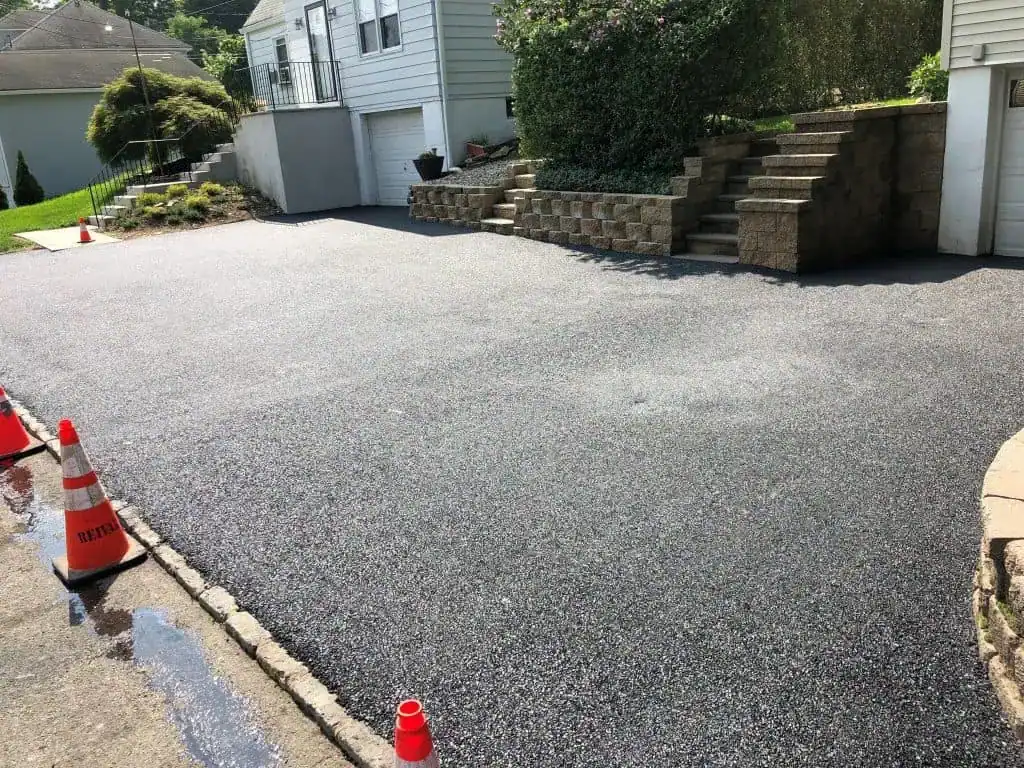
We start with proper site evaluation – checking drainage, soil conditions, and existing base stability. Most paving failures start here with contractors who skip this step to save time.
Next comes excavation and base preparation. We remove compromised material, install proper grading for water management, and compact aggregate base to engineering specifications. This foundation work determines whether your pavement lasts 5 years or 25 years.
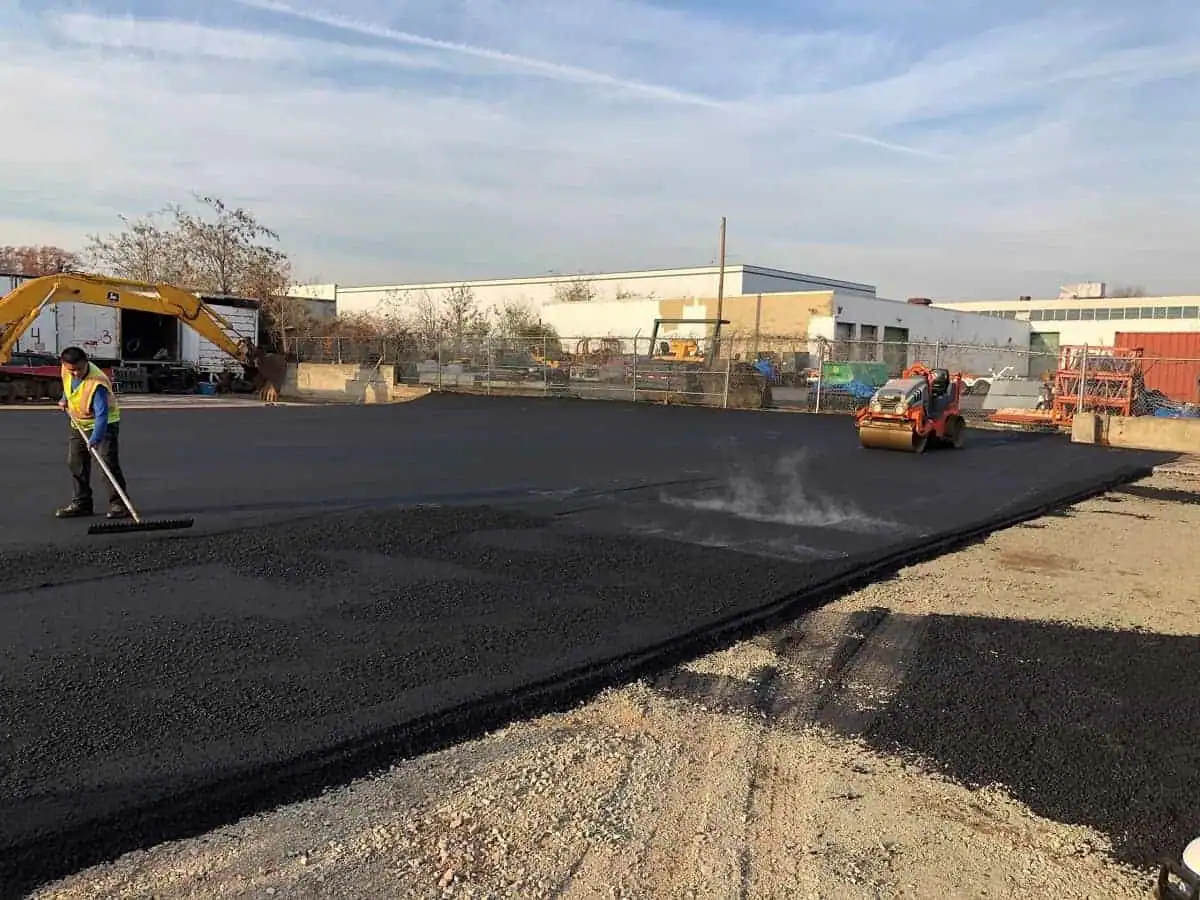
The asphalt application follows strict temperature and compaction standards. We use commercial-grade equipment and monitor conditions constantly. Final compaction, edge finishing, and cleanup complete the project. You get detailed maintenance instructions to maximize your investment.
Ready to get started?
Every asphalt paving project includes complete excavation, proper base preparation, and grading for drainage. We handle permits when required and coordinate with utility companies if needed.
For Plainfield properties, this means engineering solutions that handle our area’s specific challenges – heavy rainfall, freeze-thaw cycles, and varying soil conditions. We use hot-mix asphalt designed for New Jersey climate conditions.
You also get thorough cleanup, warranty coverage on our workmanship, and guidance on maintenance scheduling. Commercial projects include ADA compliance, proper striping, and traffic flow optimization. We don’t consider the job complete until you’re satisfied with every detail.

Properly installed asphalt paving in Plainfield typically lasts 15-20 years with regular maintenance. New Jersey’s freeze-thaw cycles are tough on pavement, but quality installation with proper base preparation handles these conditions well.
The key is using the right materials and techniques for our climate. Hot-mix asphalt performs better than concrete in freeze-thaw conditions because it’s flexible enough to expand and contract without cracking.
Regular sealcoating every 3-5 years and prompt crack repair extend the lifespan significantly. Some of our Plainfield driveways installed 20+ years ago are still performing well because the owners followed our maintenance recommendations.
Spring through early fall offers the best conditions for asphalt paving in Plainfield. We can’t install asphalt when temperatures consistently drop below 50 degrees or during wet weather.
Summer and early fall are ideal because asphalt needs warm temperatures to cure properly. The material must be applied at specific temperatures and compacted while hot to achieve proper density.
Spring scheduling often has longer wait times as property owners address winter damage. If you’re planning a project, booking early in the season or considering fall installation often provides more flexibility and sometimes better pricing.
Asphalt paving in Plainfield typically costs $5-12 per square foot, depending on site conditions and preparation requirements. A standard residential driveway ranges from $3,000-8,000 for most properties.
Factors affecting cost include excavation depth, drainage work needed, and access for equipment. Simple overlays on good foundations cost less than full replacement projects requiring extensive base work.
We provide detailed written estimates breaking down all costs – no hidden fees or surprises. The cheapest bid often means corners will be cut on preparation or materials. Quality installation costs more upfront but saves money long-term by avoiding premature failures.
Most simple driveway replacements in Plainfield don’t require permits, but expansions or changes affecting drainage patterns might need approval. Commercial installations typically require permits.
Projects involving connections to municipal storm water systems or significant grading changes usually need permits. We handle permit applications when required and know local requirements.
It’s always better to check with Plainfield’s building department if you’re unsure. We can help determine if your specific project needs permits and handle the paperwork if required. This prevents delays and ensures your project meets all local codes.
Asphalt typically performs better in Plainfield’s climate due to its flexibility during freeze-thaw cycles. It costs 30-50% less than concrete initially and is easier to repair if damage occurs.
Concrete lasts longer and requires less maintenance over time, but costs more upfront and can crack when ground movement occurs. It also takes longer to install and cure fully.
For Plainfield’s weather conditions, both work well when installed properly, but asphalt handles winter conditions better and is ready for use sooner. Your choice often comes down to budget, appearance preferences, and long-term plans for the property.
You can typically drive on new asphalt within 24-48 hours after installation, but we recommend waiting a full week before parking heavy vehicles to ensure complete curing.
The asphalt continues to cure and harden for several weeks after installation. During this time, avoid sharp turns, heavy loads, and anything that might indent the surface while it’s still soft.
Weather affects curing time – hot weather accelerates the process while cooler temperatures slow it down. We’ll give you specific guidance based on the conditions during your installation and explain any restrictions for optimal long-term performance.