
Driveway Paving in Hillside, NJ

Get the Driveway Your Home Deserves

Professional driveway paving that actually lasts, with no surprises and no shortcuts.

Freshly paved black asphalt driveway curves through a green lawn, bordered by stone edging. Paving Contractors Morris, Sussex & Somerset County, NJ have tools and paving stones visible on the grass, all surrounded by tall trees and a sunny sky.

Hear from Our Customers

A blue dump truck with "Platinum Paving" written on the door is parked on a dirt lot in NJ, surrounded by trees and other trucks under a partly cloudy sky. Trusted by Sussex & Somerset County as premier paving contractors Morris.

Professional Driveway Installation Services

What You Get With Professional Paving

Your driveway stops being a problem you think about every time you pull in. No more dodging potholes or worrying about scraping your car’s undercarriage. No more embarrassment when guests arrive.

You get a smooth, even surface that handles New Jersey’s freeze-thaw cycles without cracking apart in two years. Water flows where it should instead of pooling against your foundation. Your property value goes up, and you can actually be proud of your home’s curb appeal again.

The right driveway installation means you’re done dealing with this headache for the next 15-20 years. That’s what happens when the job gets done right the first time with proper materials and proven techniques.

Hillside Driveway Paving Experts

We Know Hillside Driveways Inside Out

We’ve been handling driveway projects throughout Hillside and the surrounding areas for years. We understand how the local soil conditions affect foundation work and how New Jersey weather impacts different paving materials.

You won’t find us cutting corners or using subpar materials to boost our margins. We use the same suppliers and techniques whether it’s a small residential driveway or a larger commercial project.

Our team shows up when we say we will, explains what we’re doing and why, and cleans up properly when we’re done. That’s not revolutionary – it’s just how the job should be handled every time.

A worker in a blue shirt smooths the edge of freshly laid asphalt while another operates an orange paving machine on a rural road—Paving Contractors Morris, Sussex & Somerset County, NJ ensure quality results amid grass, bare trees, and a cloudy sky.

Driveway Paving Process

Here's Exactly How We Handle Your Project

We start with a site evaluation to check your existing base, drainage patterns, and any underlying issues that need addressing. No point in laying new asphalt or concrete over problems that will just resurface later.

Next comes proper excavation and base preparation. This is where most shortcuts happen, and it’s why some driveways fail within a few years. We remove the old material completely, grade for proper drainage, and install a solid stone base that’s compacted to the right specifications.

Then we install your new driveway using professional-grade materials and equipment. For asphalt, that means proper temperature control and multiple passes with commercial rollers. For concrete, it means the right mix design and proper curing time. We finish with clean edges and proper sealing where needed.

The whole process typically takes 2-3 days depending on size and complexity. You’ll know exactly what to expect before we start, and we’ll walk you through the final result to make sure everything meets your expectations.
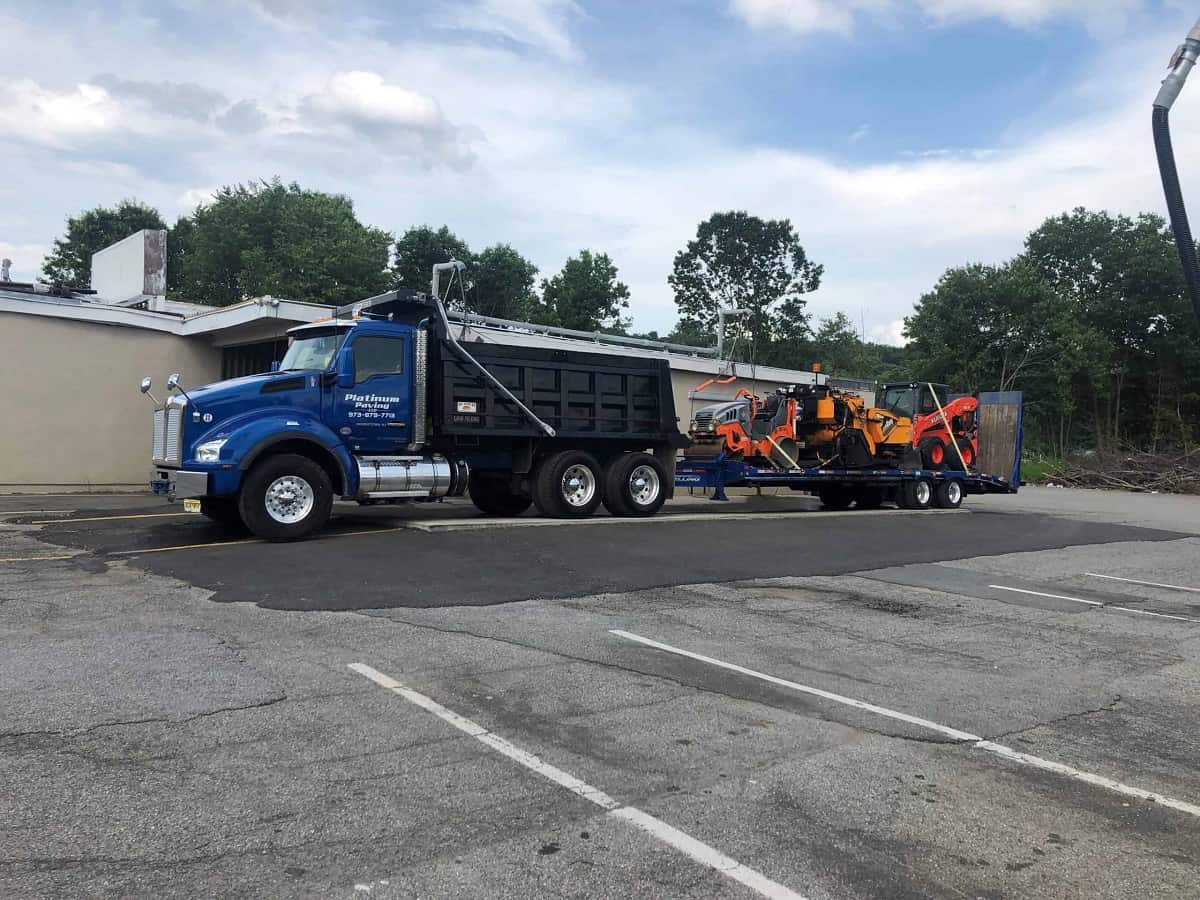
A blue dump truck with a black bed, used by Paving Contractors Morris, NJ, is parked in a lot towing a flatbed trailer with orange construction equipment. Trees and a building are visible in the Sussex & Somerset County background.

Ready to get started?

Explore More Services

About Platinum Paving

Get a Free Consultation

Asphalt and Concrete Driveway Options

What's Included in Your Driveway Project

Every driveway paving project includes complete removal of old materials, proper base preparation, and installation of your chosen surface material. We handle all the details like permits, proper grading for drainage, and cleanup when we’re finished.

You get your choice of asphalt or concrete, each with specific advantages for Hillside’s climate and soil conditions. Asphalt offers flexibility and easier repairs, while concrete provides longer lifespan and more design options. We’ll explain the real differences so you can make the right choice for your situation and budget.

We also include proper edge work and transitions to existing surfaces like sidewalks or garage floors. These details matter for both appearance and long-term durability. Everything gets done to local code requirements with proper compaction testing where needed.

A newly paved asphalt driveway by Paving Contractors Morris, Sussex & Somerset County, NJ leads to a gray two-story house. Construction materials and a truck are nearby, with yellow caution tape blocking access. Trees surround the area.
Most residential driveway installations take 2-3 days from start to finish. Day one involves removing old materials and preparing the base. Day two covers the actual paving and initial finishing work. Day three handles final details and cleanup. Weather can extend this timeline, and larger or more complex driveways may require additional time. We’ll give you a realistic schedule upfront and keep you informed if anything changes. The key is not rushing the process – proper curing time is essential for long-term durability.
Asphalt typically costs less upfront and handles freeze-thaw cycles better, making it popular in New Jersey. It’s also easier to repair if damage occurs. Concrete lasts longer overall and offers more design flexibility with colors and textures, but costs more initially and can crack if not properly installed. Both work well in Hillside’s climate when installed correctly. Your choice often comes down to budget, appearance preferences, and how long you plan to stay in your home. We’ll walk through the real pros and cons of each option for your specific situation.
Driveway paving costs vary based on size, material choice, site conditions, and complexity of the job. Asphalt typically runs less per square foot than concrete, but every project is different. Factors like drainage issues, steep grades, or difficult access can affect pricing. We provide detailed written estimates that break down all costs so you know exactly what you’re paying for. No hidden fees or surprise charges later. The best approach is to get quotes from a few reputable contractors and compare not just price, but what’s actually included in each proposal.
Spring through fall offers the best conditions for driveway paving in New Jersey. Asphalt installation works best when temperatures are consistently above 50 degrees, while concrete can be installed in slightly cooler weather with proper precautions. Summer heat can actually make asphalt work more challenging due to rapid cooling. Many contractors get booked up during peak season, so planning ahead helps ensure you get scheduled when you want the work done. Winter installations are possible but require special considerations and may cost more due to weather-related challenges.
Most driveway replacements in Hillside don’t require permits if you’re staying within the existing footprint and not changing drainage patterns. However, new driveways, expansions, or projects that affect stormwater management may need permits from the township. We’re familiar with local requirements and can help determine what’s needed for your specific project. If permits are required, we’ll guide you through the process and make sure everything meets township standards. It’s always better to check upfront rather than deal with compliance issues later.
For asphalt driveways, you can typically walk on the surface within a few hours, but should wait 24-48 hours before driving on it, depending on weather conditions. Hot weather requires longer wait times. For concrete driveways, you’ll need to wait about 7 days before driving on the surface to allow proper curing. We’ll give you specific timing based on the materials used and current weather conditions. Driving on the surface too early can cause permanent damage that’s expensive to repair, so it’s worth following our recommendations exactly.