
Driveway Paving in Mount Tabor, NJ

Get a Driveway That Actually Lasts

Professional asphalt and concrete driveway installation that handles New Jersey weather without cracking your budget.

Freshly paved black asphalt driveway curves through a green lawn, bordered by stone edging. Paving Contractors Morris, Sussex & Somerset County, NJ have tools and paving stones visible on the grass, all surrounded by tall trees and a sunny sky.

Hear from Our Customers

A blue dump truck with "Platinum Paving" written on the door is parked on a dirt lot in NJ, surrounded by trees and other trucks under a partly cloudy sky. Trusted by Sussex & Somerset County as premier paving contractors Morris.

Asphalt Driveway Paving Services

Your Property Value Just Went Up

A properly installed driveway does more than just look good. It eliminates the frustration of dodging potholes every time you come home. No more worrying about guests judging your cracked, weed-filled entrance.

You get a smooth, durable surface that handles everything from delivery trucks to New Jersey’s freeze-thaw cycles. Your neighbors notice. Potential buyers notice. Most importantly, you stop thinking about your driveway problems because they’re gone.

The right materials and installation techniques mean you’re not calling for repairs in two years. You’re getting decades of reliable performance that actually saves money over time.

Mount Tabor Driveway Contractors

We Know New Jersey Driveways

We’ve been handling driveway projects throughout Mount Tabor and surrounding New Jersey communities for years. We understand how local soil conditions, drainage patterns, and weather affect your driveway’s longevity.

You’re working with licensed, insured professionals who show up when scheduled and finish when promised. We’ve seen every type of driveway problem this area throws at homeowners, from clay soil settlement to winter salt damage.

Our reputation in Mount Tabor comes from doing the job right the first time. No shortcuts, no surprises, no excuses.

A worker in a blue shirt smooths the edge of freshly laid asphalt while another operates an orange paving machine on a rural road—Paving Contractors Morris, Sussex & Somerset County, NJ ensure quality results amid grass, bare trees, and a cloudy sky.

Driveway Installation Process

Here's Exactly What Happens

First, we assess your existing driveway and drainage situation. Every property is different, and the foundation work determines everything that follows. We’ll discuss material options, timeline, and provide a detailed written estimate.

Once you approve the project, we handle any necessary permits and schedule the work around your needs. The old surface gets removed properly, and we prepare the base with the right materials for your soil conditions. This step separates quality contractors from the ones who create problems.

The new asphalt or concrete goes down according to industry standards, not shortcuts. We ensure proper grading for drainage and allow adequate curing time. You get a walkthrough of the completed work and care instructions to maximize your investment.
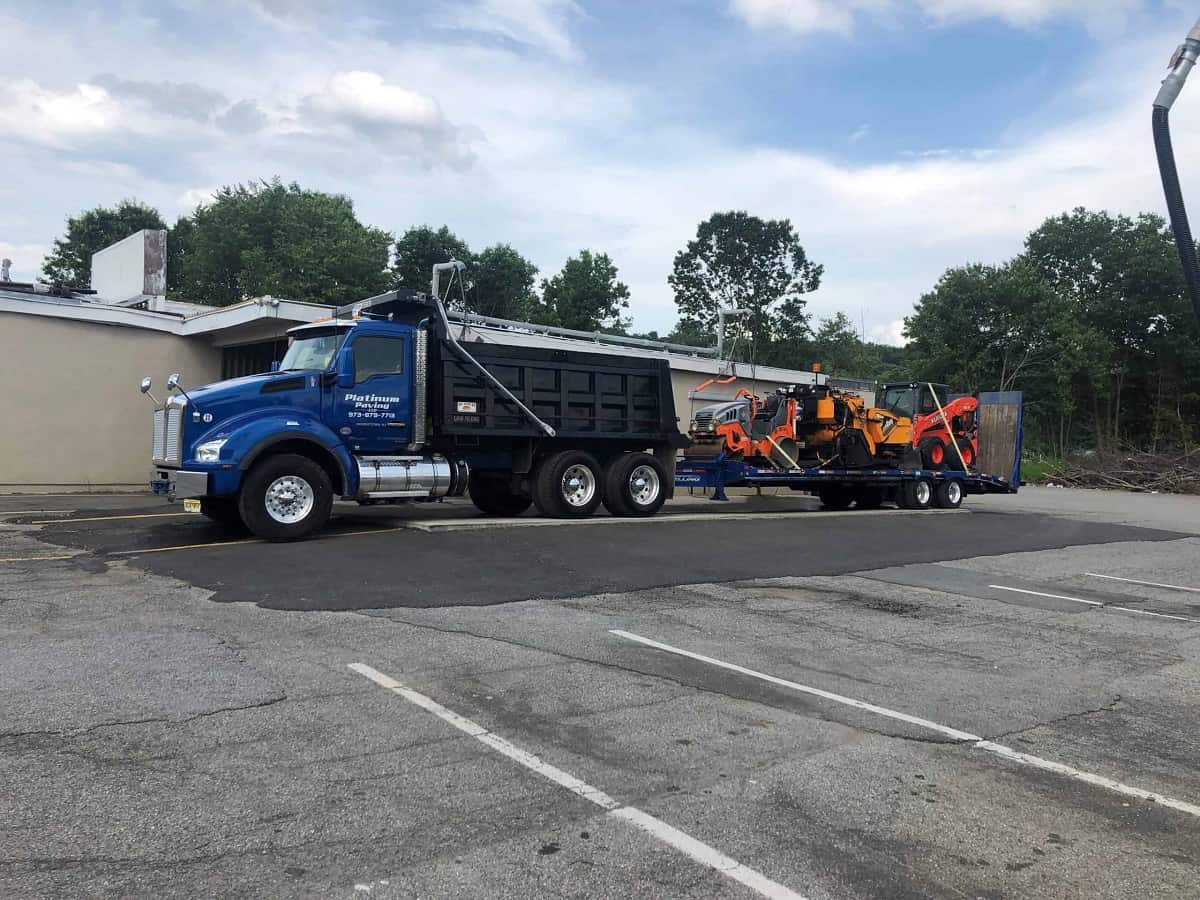
A blue dump truck with a black bed, used by Paving Contractors Morris, NJ, is parked in a lot towing a flatbed trailer with orange construction equipment. Trees and a building are visible in the Sussex & Somerset County background.

Ready to get started?

Explore More Services

About Platinum Paving

Get a Free Consultation

Residential Driveway Paving Options

Complete Driveway Solutions Available

We handle new driveway installation, complete resurfacing, and targeted repairs for both asphalt and concrete surfaces. Whether you need a full replacement or just want to restore your existing driveway’s appearance and function, we have the equipment and experience.

Mount Tabor properties often deal with specific challenges like steep grades, narrow access, or drainage issues. We’ve developed solutions for these common situations that prevent future problems rather than just covering them up.

Every project includes proper base preparation, quality materials rated for New Jersey conditions, and professional installation techniques. You also get guidance on maintenance practices that extend your driveway’s life and protect your investment.

A newly paved asphalt driveway by Paving Contractors Morris, Sussex & Somerset County, NJ leads to a gray two-story house. Construction materials and a truck are nearby, with yellow caution tape blocking access. Trees surround the area.
Most residential driveway projects take 2-3 days from start to finish, depending on size and complexity. Day one typically involves removing the old surface and preparing the base. The new asphalt or concrete goes down on day two, with final grading and cleanup on day three. Weather can affect the timeline, especially with concrete work that requires specific temperature conditions. We’ll give you a realistic schedule upfront and keep you informed of any changes. You can usually drive on a new asphalt driveway within 24-48 hours, though we recommend waiting a full week before parking heavy vehicles on it.
Asphalt costs less upfront and handles freeze-thaw cycles better, making it popular in New Jersey. It’s easier to repair and can be resurfaced when it starts showing wear. Concrete lasts longer and offers more design options, but costs more initially and can crack if not installed properly on our clay soils. Asphalt needs resealing every 3-5 years, while concrete requires less maintenance but is harder to repair when problems occur. Both work well in Mount Tabor when installed correctly. Your choice often comes down to budget, appearance preferences, and how long you plan to stay in the home.
Most driveway replacements don’t require permits if you’re staying within the existing footprint and not changing drainage patterns. However, new driveways, expansions, or work that affects stormwater runoff typically need township approval. Mount Tabor has specific requirements about setbacks, drainage, and connection to public roads. We handle the permit research and applications for our projects, so you don’t have to navigate the township requirements yourself. It’s always better to check beforehand rather than deal with violations later. The permit process usually adds a few days to the project timeline but protects you from future complications.
Asphalt driveways typically run $3-7 per square foot installed, while concrete ranges from $6-12 per square foot, depending on thickness and site conditions. A standard two-car driveway (600 square feet) usually costs $2,000-4,000 for asphalt or $3,500-7,000 for concrete. Factors that affect price include excavation needs, base material requirements, drainage solutions, and access difficulty. Steep driveways or those requiring significant prep work cost more. We provide detailed written estimates that break down all costs, so you know exactly what you’re paying for. Financing options are available for larger projects.
Late spring through early fall offers the best conditions for driveway installation in New Jersey. Asphalt work requires temperatures above 50°F for proper compaction and curing. Concrete needs moderate temperatures and protection from freezing for several days after installation. Summer can be ideal, but extremely hot weather creates its own challenges with material handling. We typically stay busy from April through October, so scheduling during shoulder seasons (late spring or early fall) often provides more flexibility. Winter emergency repairs are possible, but planned installations should wait for better weather conditions.
Asphalt driveways need sealcoating every 3-5 years to protect against water penetration and UV damage. Clean oil spills quickly, as petroleum products break down asphalt over time. Concrete driveways benefit from annual cleaning and sealing every few years, especially in areas exposed to road salt. Both materials last longer with proper drainage, so keep gutters and downspouts directing water away from the surface. Avoid using metal shovels or ice picks for snow removal, and be careful with heavy vehicles during the first year. Small cracks should be sealed promptly to prevent water infiltration and freeze damage.