Paving Contractor in Milltown, NJ

Driveways and Parking Lots Built Right

Professional asphalt paving that handles New Jersey winters and looks great year-round.

A freshly paved asphalt parking lot with orange traffic cones and signs blocking entry. A person from Paving Contractors Morris, NJ is working on the lot, with nearby buildings and parked cars under a blue sky in Sussex & Somerset County.

Hear from Our Customers

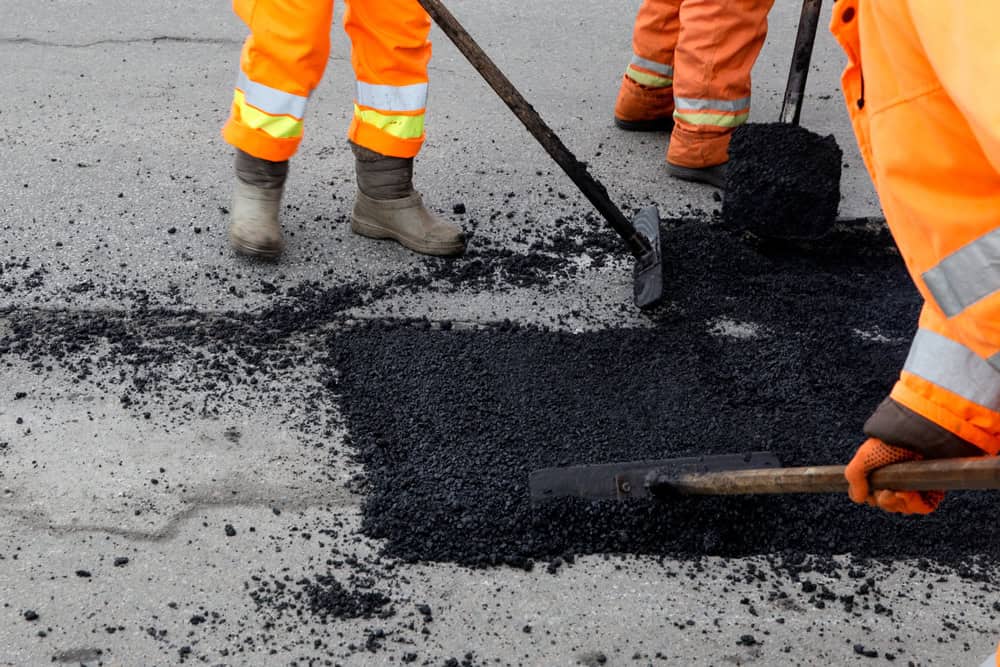
Three workers in orange reflective clothing and boots from Paving Contractors Morris are spreading and leveling fresh asphalt on a road surface using shovels and rakes. The focus is on their legs and the tools in Sussex & Somerset County, NJ.

Asphalt Paving Contractor Services

What You Get With Professional Paving

Your driveway stops being a problem. No more dodging potholes or explaining to guests why they should park on the street. No more water pooling against your foundation after every storm.

You get smooth, even surfaces that actually drain properly. Your property looks maintained instead of neglected. Whether it’s your home’s driveway or your business parking lot, the asphalt does its job without constant repairs.

Professional paving means the base is prepared correctly, the asphalt is applied at proper thickness, and the edges are sealed to prevent water infiltration. You’re not dealing with the same problems again in two years because shortcuts were taken during installation.

Licensed Paving Contractor Milltown

Local Contractors Who Know Jersey Weather

We’ve been handling residential and commercial paving projects throughout Milltown and the surrounding areas. We’re licensed in New Jersey and carry full insurance coverage because this work requires proper credentials and protection for everyone involved.

We understand how freeze-thaw cycles affect asphalt in this region. We know which base preparations work best with local soil conditions. Most importantly, we show up when we say we will and complete projects on schedule.

Our crew uses professional-grade equipment and sources materials from established suppliers. We’re not the cheapest option, but we’re the one that saves you money long-term by doing the work correctly the first time.
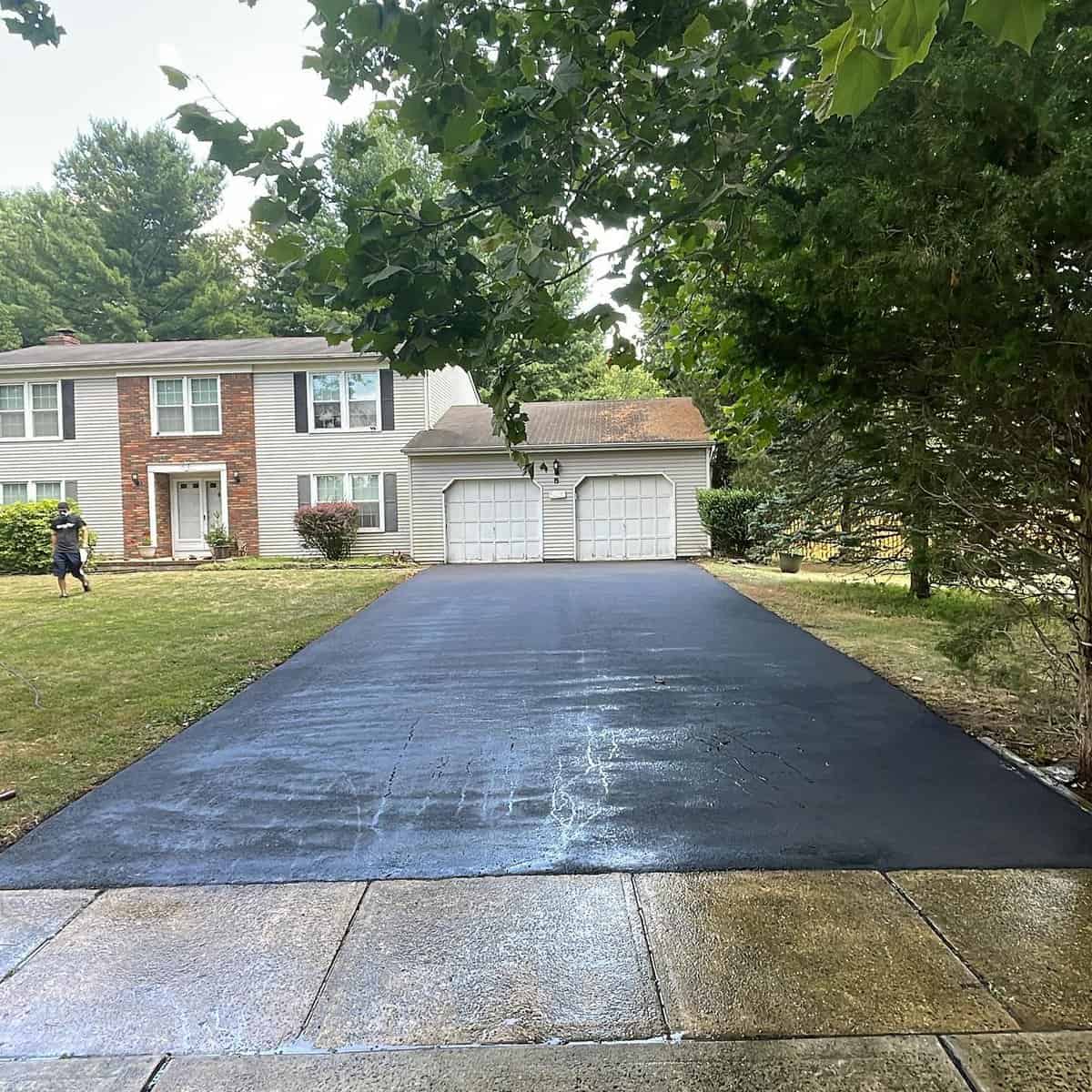
A freshly paved black asphalt driveway by Paving Contractors Morris, NJ, leads to a two-car garage attached to a light-colored suburban house with brick accents, surrounded by grass, trees, and wet pavement in the foreground.

Driveway Paving Contractor Process

How Professional Paving Actually Works

First, we evaluate your existing surface and drainage situation. We identify any underlying issues that need addressing before new asphalt goes down. You get a written estimate that covers everything needed for a proper installation.

Next, we prepare the base. This means proper excavation, grading for drainage, and compacting the foundation material. This step determines how long your new asphalt will last, so we don’t rush it.

Then we apply the asphalt at the correct thickness using professional equipment. We ensure proper compaction and smooth edges. The surface is sealed appropriately and marked clearly while it cures. You know exactly when you can start using it again.

A new asphalt driveway in NJ is being compacted by an orange roller in front of a large, two-story house with light siding and a two-car garage, surrounded by trees. Paving Contractors Morris serve Sussex & Somerset County.

Ready to get started?

Explore More Services

About Platinum Paving

Get a Free Consultation

Residential Commercial Paving Contractor

Complete Paving Services for Every Property

We handle both residential driveway projects and commercial parking lot installations. For homeowners, this includes new driveway construction, driveway replacement, and connecting your driveway properly to existing roadways.

Commercial clients get parking lot paving, loading dock areas, and access road construction. We coordinate with property managers to minimize business disruption and complete work during off-peak hours when possible.

Every project includes proper drainage solutions because water is asphalt’s biggest enemy in New Jersey. We also handle the permits and inspections required for larger commercial projects. You get one contractor managing the entire process from start to finish.

A small orange skid steer loader dumps material into a blue dump truck on a residential street, while a worker stands on top. Paving Contractors Morris, NJ, Sussex & Somerset County complete the job amid trees and houses in the background.
A properly installed asphalt driveway typically lasts 15-20 years with basic maintenance, while commercial parking lots usually need replacement after 10-15 years due to heavier traffic loads. The key factors are proper base preparation, adequate asphalt thickness, and good drainage. In New Jersey’s climate, regular sealcoating every 3-4 years helps extend the life by protecting against water infiltration and freeze-thaw damage. Driveways that were installed correctly from the start generally require only minor crack sealing and occasional patching until they’re ready for complete replacement.
Asphalt and blacktop are essentially the same material – a mixture of aggregate stones and bitumen binder. The terms are often used interchangeably, though “blacktop” typically refers to the finer-grade mixture used for driveways and smaller surfaces, while “asphalt” can refer to both fine and coarse mixtures used for everything from driveways to highways. What matters more than terminology is getting the right mixture for your specific application. Residential driveways need different specifications than commercial parking lots or roadways, and we select the appropriate mix design for your project’s traffic load and usage requirements.
Driveway paving typically costs between $3-7 per square foot, depending on the size, site conditions, and thickness required. A standard residential driveway runs $2,000-6,000 for most Milltown properties. Commercial parking lot paving varies widely based on size and complexity, usually ranging from $2-5 per square foot for larger areas. The total cost depends on excavation needs, base preparation requirements, drainage solutions, and site accessibility. Projects requiring significant grading or dealing with poor soil conditions cost more due to additional base work. We provide detailed written estimates that break down all costs so you understand exactly what you’re paying for.
Late spring through early fall provides the best conditions for asphalt paving in New Jersey. We typically schedule most projects between April and October when temperatures consistently stay above 50 degrees and rainfall is more predictable. Asphalt needs warm weather to cure properly, and we can’t install it during wet conditions. Summer months are busiest, so spring and fall often offer better scheduling flexibility and sometimes better pricing. However, we can handle emergency repairs year-round when necessary. If you’re planning a project, contacting us in early spring helps ensure we can schedule your work for optimal weather conditions.
Yes, we handle all necessary permits and coordinate required inspections for paving projects in Milltown and surrounding areas. Most residential driveway projects don’t require permits unless they involve changing drainage patterns or connecting to public roads. Commercial parking lot projects typically need permits and inspections for grading, drainage, and final surfaces. We’re familiar with local requirements and building department procedures, so we manage this process as part of our service. This includes submitting plans, scheduling inspections, and ensuring all work meets local codes. You don’t need to navigate municipal requirements yourself – we handle the paperwork and coordination with local authorities.
New asphalt should cure for 6-12 months before applying sealcoating, then be resealed every 3-4 years to maintain protection against water and weather. Immediate maintenance involves keeping heavy vehicles off the surface for the first few days and watching for any settling that might need attention. Long-term maintenance includes prompt crack sealing to prevent water infiltration, occasional cleaning to remove oil stains, and avoiding sharp turns from stationary vehicles that can scuff the surface. Snow removal should use plastic shovels rather than metal to avoid gouging. Most maintenance is straightforward and inexpensive compared to premature replacement costs from neglect.