Pavement Resurfacing Morris Sussex Somerset County

Restore Your Pavement for Half the Cost
Your cracked, faded pavement doesn’t need complete replacement. Asphalt resurfacing delivers a brand-new surface at 40-60% less cost than tearing everything out, with most Northern NJ projects finishing in just days.
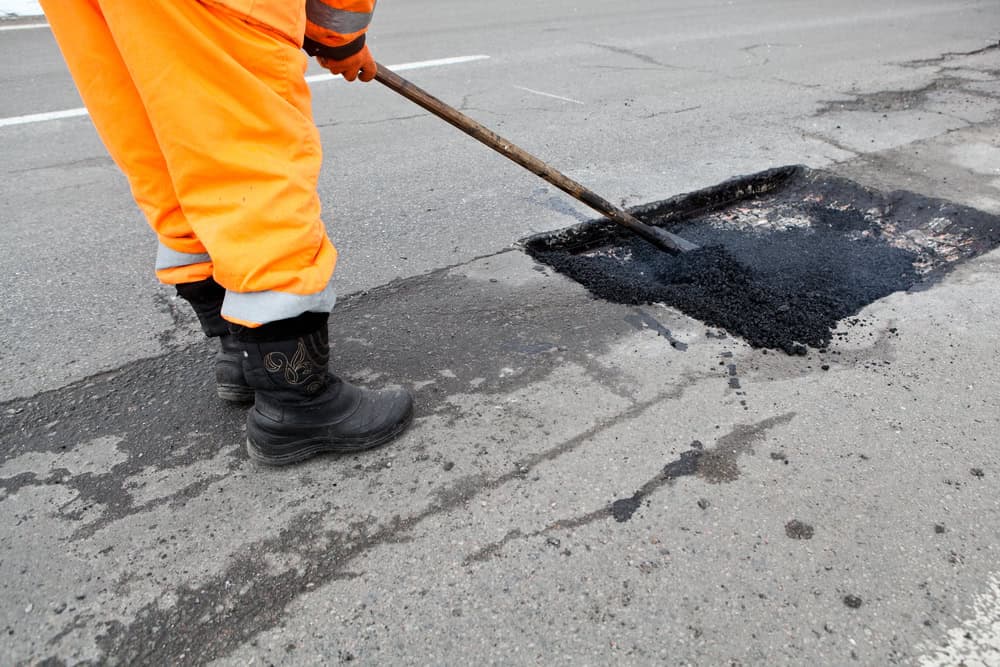
A road worker in orange safety clothing uses a shovel to fill a pothole with fresh asphalt on a paved street. Only the worker’s lower body and boots are visible, representing Paving Contractors Morris, Sussex & Somerset County, NJ.

Northern NJ Climate Specialists

We engineer resurfacing solutions specifically for Morris, Sussex, and Somerset County freeze-thaw cycles that destroy pavement faster than anywhere else in the state.

Honest Qualification Assessment

We evaluate your foundation and surface condition to determine if resurfacing works or if replacement makes more financial sense for your property.

One to Three Day Turnaround

Most resurfacing projects complete in days, not weeks, with surfaces ready for full use within 24 to 48 hours after installation.

Licensed Crews Only

Every project uses fully licensed, insured, experienced crews with proven track records serving commercial and residential clients across Northern New Jersey.
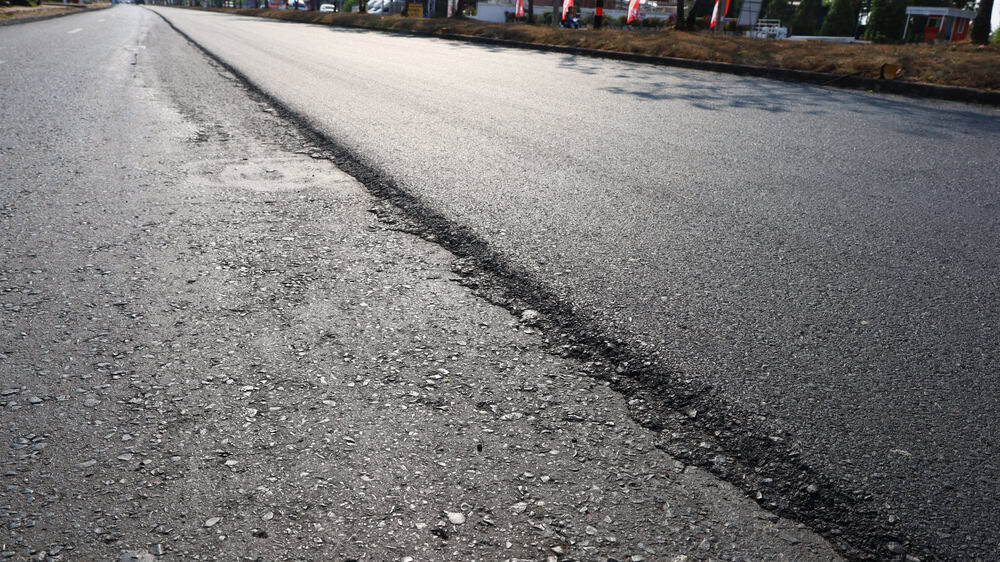
A close-up view of a road under construction in NJ, highlighting the clear dividing line between old, rough asphalt and newly paved, smooth asphalt by expert Paving Contractors Morris on a straight, empty stretch.

Asphalt Overlay Services Northern New Jersey

What Pavement Resurfacing Actually Solves

Pavement resurfacing—also called asphalt overlay—applies a fresh 1.5 to 2-inch layer of asphalt over your existing surface. It’s designed for pavement showing surface-level damage like cracks, potholes, and fading but still maintaining a structurally sound foundation underneath. Think of it this way: if your pavement’s bones are good but the skin is deteriorating, resurfacing gives you a complete facelift without the cost and disruption of tearing everything out. The process involves milling off the damaged top layer, preparing the surface properly, then installing new asphalt that looks and performs exactly like brand-new pavement. This service is suitable for homeowners wanting to refresh their driveway or business owners needing to restore parking lots. Furthermore, opting for pavement resurfacing in Morris County can be a cost-effective alternative to full pavement replacement. This approach costs 40 to 60 percent less than full replacement and extends your pavement’s life by 8 to 15 years when done correctly. It works for commercial properties—parking lots, access roads, loading areas—and residential driveways throughout Morris County, Sussex County, and Somerset County.

Hear from Our Customers

Benefits Parking Lot Driveway Resurfacing NJ

What You Get Beyond Just Better Looks

Resurfacing solves real problems affecting your property value, safety, and budget without forcing you to spend replacement-level money for surface-level damage.

You'll invest 40 to 60 percent less than replacement while getting a surface that looks brand-new and performs for another 8 to 15 years.

Your property returns to full service within one to three days instead of enduring weeks of excavation, foundation work, and restricted access.

You eliminate real liability exposure from trip hazards, potholes, and deteriorating surfaces that damage vehicles or cause injuries on your property.

You stop Northern NJ's brutal freeze-thaw cycles from turning surface cracks into deep structural damage that forces expensive foundation repairs later.

You restore the professional first impression that matters when customers, clients, or visitors pull onto your property for the first time.

You avoid the environmental impact of complete removal and disposal while recycling milled asphalt into new pavement material.

A large white number 1 is centered on a solid black circle with a plain light gray background, symbolizing top-rated Paving Contractors in Morris, NJ and serving Sussex & Somerset County.

Share project details

Call us or get a free online quote to help us identify your project needs.

A bold white number 2 is centered inside a solid black circle on a light gray background, representing Sussex & Somerset County, NJ Paving Contractors Morris.

We'll follow up

If you requested an online quote, you can expect a callback within 24-48 hours of your request.

A large white number 3 is centered inside a solid black circle on a plain light background, representing Paving Contractors Morris, Sussex & Somerset County, NJ.

The floor is yours

Connect with an expert and share all project specifics.

A bold white number 4 is centered inside a solid black circle on a light gray background, representing Paving Contractors Morris, Sussex & Somerset County, NJ.

Plan your project

Like what you hear? We'll provide next steps and expert guidance.
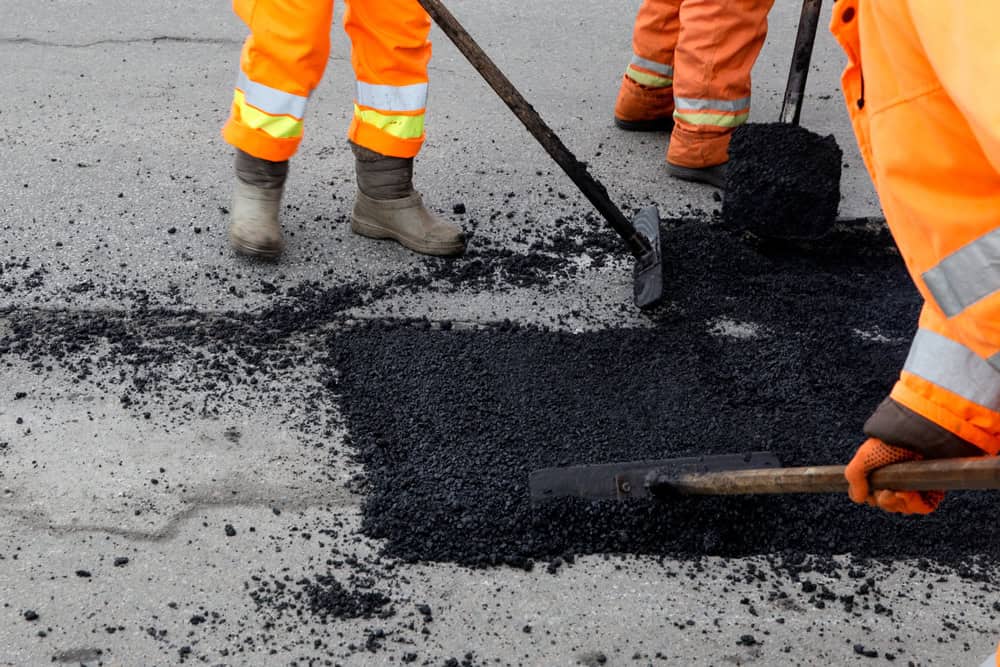
Three workers in orange reflective clothing and boots from Paving Contractors Morris are spreading and leveling fresh asphalt on a road surface using shovels and rakes. The focus is on their legs and the tools in Sussex & Somerset County, NJ.

Mill and Pave Asphalt Process

How the Resurfacing Process Actually Works

The resurfacing process starts with milling, where specialized equipment grinds off the top 1.5 to 2 inches of damaged asphalt. This removes all the cracks, potholes, and surface deterioration while creating a uniform depth for the new layer. The milled material—called millings—gets hauled off for recycling into new asphalt, making this an environmentally responsible choice that reduces waste. Pavement resurfacing goes beyond just looks; it involves applying a new layer of asphalt to repair minor damage while improving the usability of your surfaces. After milling, our crews thoroughly sweep and clean the surface, then inspect the foundation for any issues that need addressing. When the base checks out as stable, we apply a tack coat—a specialized bonding agent that helps the new asphalt adhere properly to the existing surface. Then fresh hot-mix asphalt arrives and gets laid in a smooth, even layer before being compacted with heavy rollers to achieve proper density. The entire process typically takes one to three days depending on your project size. Most residential driveways finish in a day or two. Larger commercial parking lots might take longer, but we can often work in sections to keep portions of your lot accessible for customers and employees throughout the project. Resurfacing delivers the best value when your pavement is less than 20 years old, shows surface damage covering less than 25 to 30 percent of the total area, and maintains a solid foundation without major settling or drainage failures. If your pavement meets these criteria, you’re looking at massive savings compared to complete replacement.

When Resurfacing Makes Sense Morris County

Does Your Pavement Actually Qualify

Not every pavement qualifies for resurfacing. The foundation underneath needs to be structurally sound—no major settling, heaving, or base failure showing through. Surface issues like widespread cracking, minor potholes, fading, and rough texture are exactly what resurfacing fixes. Deep structural problems require replacement. Here in Morris, Sussex, and Somerset Counties, freeze-thaw cycles hit harder than almost anywhere else in New Jersey. Water seeps into small cracks during the day, freezes solid overnight when temperatures drop, expands with tremendous force, then thaws and seeps even deeper the next day. This cycle repeats 40 to 60 times each winter—40 percent more than Central or South Jersey experiences—which explains why pavement here deteriorates so much faster. When water freezes, it expands by nearly 10 percent and can exert up to 30,000 pounds per square inch of pressure against your pavement. That’s enough force to widen hairline cracks into quarter-inch gaps in a single season. Once cracks reach that width, water penetrates deeper with every cycle, eventually compromising the foundation if left unchecked. If you’re seeing surface deterioration but your pavement isn’t buckling, sinking in spots, or showing signs of base failure, resurfacing likely makes sense. We evaluate drainage patterns, check for foundation issues, and assess the extent of surface damage before recommending whether to resurface or replace. The evaluation is straightforward and honest—if resurfacing won’t deliver lasting results, we’ll tell you that replacement makes more financial sense for your situation.
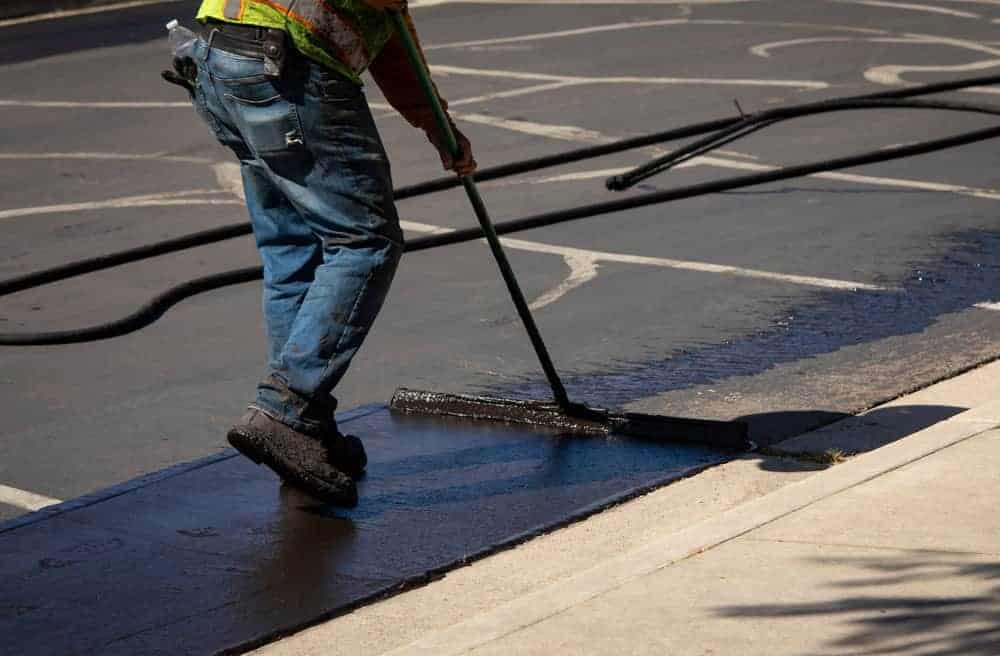
A worker in a safety vest and jeans uses a large squeegee to apply black sealant to an asphalt parking lot, with marked parking spaces visible—quality work by paving contractors serving Morris, Sussex & Somerset County, NJ.
Pavement Resurfacing FAQs

Common Questions About Our Service

Resurfacing typically costs between one and three dollars per square foot, while complete replacement runs four to ten dollars per square foot. That translates to savings of 40 to 60 percent when resurfacing qualifies for your project. The exact cost depends on your pavement size, current condition, any prep work needed, and accessibility for equipment. For a standard two-car driveway around 600 square feet, resurfacing might run $1,800 to $3,000 compared to $4,800 to $10,000 for complete replacement. Commercial parking lots follow similar math but scale with square footage and complexity. We provide detailed quotes after evaluating your specific property so you know exactly what to expect before any work begins. The savings are real, but resurfacing only makes sense when your foundation is still sound—otherwise you’re just covering up problems that will resurface quickly.
Properly installed asphalt resurfacing adds 8 to 15 years to your pavement’s lifespan when maintained correctly. The key factors are your existing foundation condition, installation quality, and how well you maintain the surface after resurfacing. Northern New Jersey’s climate is particularly tough on pavement—our freeze-thaw cycles rank among the most destructive in the state—so regular maintenance makes a significant difference in longevity. Sealcoating every two to three years protects against water infiltration, UV damage, and the chemical breakdown that accelerates during temperature swings. If you stay on top of basic maintenance and address small cracks promptly before they widen, your resurfaced pavement can easily reach or exceed the 15-year mark. Without maintenance, you’ll see deterioration start much sooner, especially around edges and in areas with poor drainage where water pools and penetrates.
Yes, we can phase commercial parking lot resurfacing to keep portions accessible throughout the project. This works particularly well for businesses that can’t afford to close their entire lot for multiple days. We’ll coordinate with you to identify high-traffic areas, plan the work in manageable sections, and schedule installation during off-hours or slower business periods when possible. The approach minimizes disruption to your operations while still delivering quality results. Residential driveways are typically small enough to complete in one or two days, so sectioning usually isn’t necessary—we just schedule the work when it’s most convenient for you. For larger commercial properties, we develop a detailed phasing plan during the initial assessment so you understand the timeline, know which areas will be affected when, and can communicate with customers or employees accordingly. The goal is always to minimize disruption while delivering results that last.
These represent three different levels of pavement maintenance and repair, each serving a specific purpose. Sealcoating is a protective layer applied to existing asphalt every two to three years—it’s preventive maintenance that costs 15 to 30 cents per square foot and protects against UV damage, water infiltration, and oxidation. Think of it as sunscreen for your pavement. Resurfacing removes the damaged top layer and installs fresh asphalt 1.5 to 2 inches thick—it’s a restoration that costs one to three dollars per square foot and extends pavement life 8 to 15 years by addressing surface-level damage. Complete replacement tears out everything down to the foundation, addresses drainage and base issues, then rebuilds from scratch—it costs four to ten dollars per square foot but gives you essentially new pavement that should last 20 to 30 years. The right choice depends on your pavement’s age, condition, and whether the foundation is still sound. We evaluate all these factors and recommend the most cost-effective solution for your specific situation rather than automatically pushing the most expensive option.
Several factors determine whether resurfacing works or replacement becomes necessary. Resurfacing makes sense when your pavement is less than 20 years old, shows surface damage covering less than 25 to 30 percent of the total area, has no major foundation issues like settling or heaving, and maintains adequate drainage without standing water. Look for signs like widespread surface cracks less than a quarter-inch wide, minor potholes, fading, and rough texture—these indicate surface-level damage that resurfacing addresses effectively. Replacement becomes necessary when you see deep structural cracks, significant areas of alligator cracking where the surface looks like reptile skin, major settling or buckling that creates dips or humps, standing water from poor drainage that never seems to dry, or a pavement approaching or exceeding 20 years old. If cracks are wider than a quarter-inch and deeper than two inches, they often indicate foundation problems that resurfacing can’t fix—you’d just be covering up issues that will break through the new surface within months. We provide professional assessments that evaluate your foundation, drainage, and surface condition to give you an honest recommendation about which approach makes financial sense for your property.
Morris, Sussex, and Somerset Counties experience significantly more freeze-thaw cycles than Central or Southern New Jersey—about 40 percent more according to regional climate data. When water seeps into small cracks and freezes, it expands by nearly 10 percent and can exert up to 30,000 pounds per square inch of pressure against your pavement. That expansion forces cracks wider and deeper with tremendous force. When temperatures rise and the ice melts, water seeps even deeper into the newly widened cracks, setting up the next cycle. This repeats 40 to 60 times each winter in Northern NJ, causing exponential damage that accelerates pavement deterioration far faster than in milder climates. Northern NJ also sees heavier snow loads, more freeze-thaw transitions during spring and fall shoulder seasons, and temperature swings that stress asphalt’s binding properties. Salt and deicing chemicals accelerate surface erosion and chemical breakdown of the asphalt binder. This combination of factors means pavement here needs more attention and proactive maintenance than in milder regions. Regular sealcoating and addressing cracks promptly before they widen makes a huge difference in how long your pavement lasts before needing resurfacing or replacement.
A large white number 1 is centered on a solid black circle with a plain light gray background, symbolizing top-rated Paving Contractors in Morris, NJ and serving Sussex & Somerset County.

Initial Pavement Evaluation

We start by examining your pavement to understand its condition and decide the best resurfacing method.

A bold white number 2 is centered inside a solid black circle on a light gray background, representing Sussex & Somerset County, NJ Paving Contractors Morris.

Thorough Surface Preparation

Next, we prepare the area by fixing minor damage and cleaning the surface for good adhesion.

A large white number 3 is centered inside a solid black circle on a plain light background, representing Paving Contractors Morris, Sussex & Somerset County, NJ.

New Surface Application

Finally, we apply the new asphalt layer carefully, creating a durable and appealing finish you can count on.